
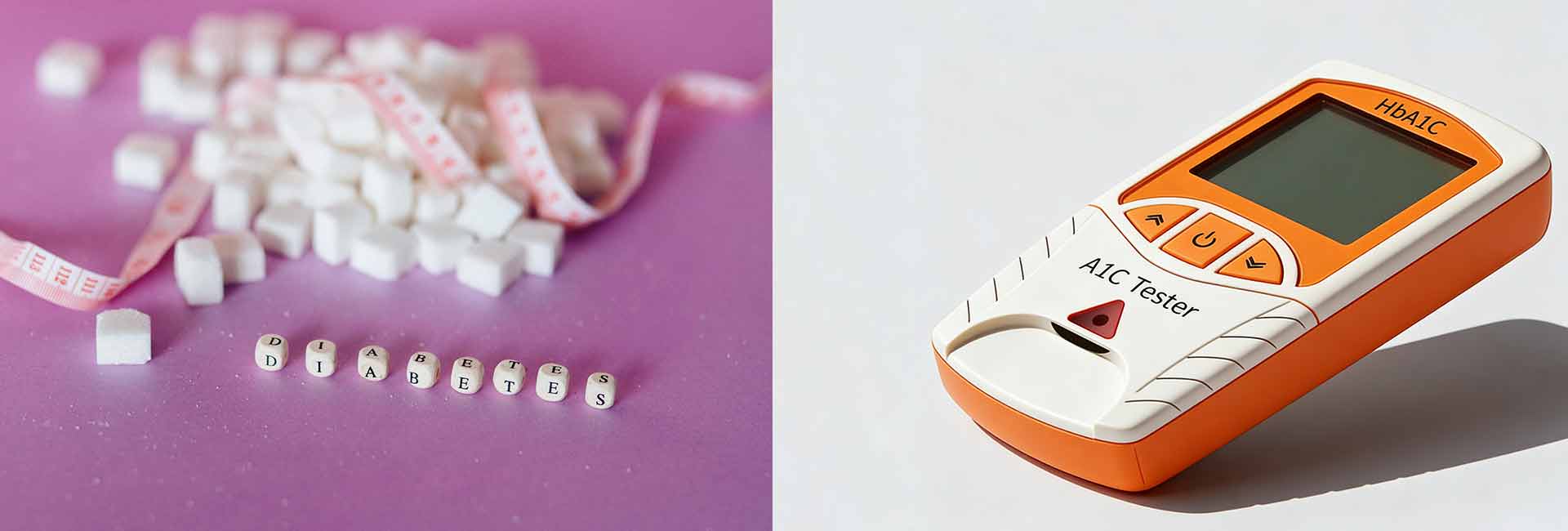
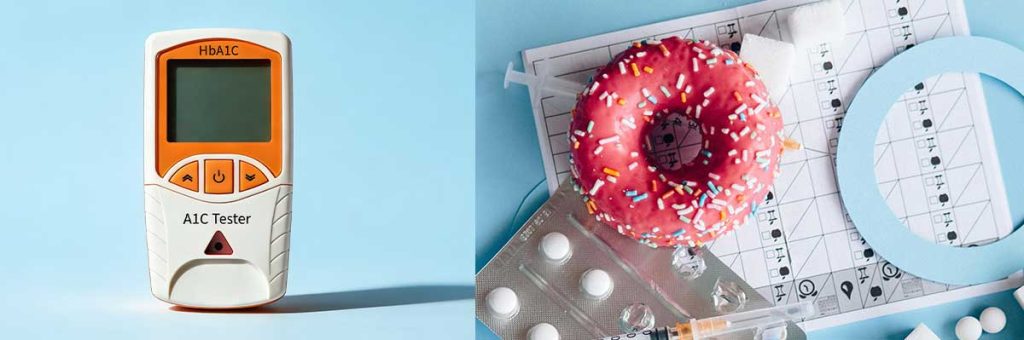


Many people feel confused when their A1C result from a home test does not match the laboratory report. Recent research shows that about 15% of individuals experience significant mismatches between these results. Older adults and non-Hispanic Black individuals see these differences more often. These findings suggest that millions could receive incorrect diagnoses if they rely on only one method. Understanding why these numbers differ can help people make better choices about their health.
Key Takeaways
- A1C tests measure average blood sugar over three months, providing a long-term view of glucose control.
- Differences in A1C results can arise from lab methods, sample handling, and health conditions, leading to potential misdiagnoses.
- Home A1C testers offer convenience but may lack the accuracy of laboratory tests; proper sample collection is crucial.
- Genetic factors and certain health conditions can affect A1C readings, making it important to consult healthcare providers for interpretation.
- Alternative tests like fructosamine can provide clearer insights for individuals with hemoglobin variants or other conditions affecting A1C accuracy.
What Does the A1C Test Measure?
Average Blood Sugar Over Time
The A1C test gives a clear picture of blood sugar control over several months. Unlike daily fingerstick tests, the A1C test measures the average amount of glucose attached to hemoglobin in red blood cells. Hemoglobin is a protein that carries oxygen in the blood. When glucose sticks to hemoglobin, it forms what is called glycated hemoglobin. The more glucose in the blood, the higher the percentage of glycated hemoglobin. This percentage reflects the average blood sugar level over the past three months, which matches the lifespan of a red blood cell.
The A1C test result is reported as a percentage. Higher percentages mean higher average blood sugar levels.
The following table summarizes what the A1C test measures:
| Description | Key Point |
|---|---|
| The A1C test measures the average amount of glucose in your blood over the past three months. | The result is reported as a percentage; higher percentages indicate higher average blood glucose levels. |
| The number represents the portion of hemoglobin proteins that are glycated. | Higher percentages correlate with higher blood sugar levels over the last few months. |
| A1C testing relies on hemoglobin, which carries oxygen and can bind glucose. | The more glucose in the blood, the more it sticks to hemoglobin, reflecting average levels over time. |
Why the A1C Test Is Important?
The A1C test plays a central role in diabetes care. Health professionals use the A1C test to diagnose diabetes and prediabetes. They also use it to monitor how well a person manages their blood sugar over time. The A1C test provides a long-term view of glucose control, which helps doctors assess if a treatment plan works.
- Clinicians use the A1C test to diagnose diabetes and prediabetes.
- The A1C test helps monitor blood glucose management in people with diabetes.
- It offers a long-term view of glucose control, which is essential for assessing treatment effectiveness.
- The A1C test helps prevent complications linked to diabetes.
Most guidelines recommend taking the A1C test two or more times a year to check how well a person manages their diabetes.
| Frequency of A1C Testing | Recommendation |
|---|---|
| 2 or more times a year | To assess management effectiveness |
Why A1C Result Differs?
Lab Methods And Equipment
Different laboratories use a variety of methods and equipment for A1C testing. Each method has unique strengths and limitations, which can cause A1C result discrepancies. Laboratories may use enzymatic assays, boronate affinity, ion-exchange high-performance liquid chromatography, capillary electrophoresis, or immunoassays. The following table summarizes these common laboratory methods:
| Method | Description |
|---|---|
| Enzymatic Assay | Commonly used, low-cost, efficient for large sample sizes. |
| Boronate Affinity | Uses immobilized boronic acid to separate glycosylated from non-glycosylated hemoglobin. |
| Ion-Exchange High-Performance Liquid Chromatography | Offers efficiency, precision, and automation with small sample size requirements. |
| Capillary Electrophoresis | Groups molecules based on electrical charge and hydrodynamic volume. |
| Immunoassay | Fast method utilizing antibodies to detect specific glycated amino acids on hemoglobin. |
Laboratories also differ in calibration techniques. These differences can lead to variations in A1C result values. Some laboratories use charge-based methods, which may misidentify hemoglobin variants. Immunoassays can be influenced by elevated fetal hemoglobin or structural variants. Boronate affinity chromatography is more specific and less prone to interference. Mass spectrometry provides the highest accuracy, but most laboratories do not use it for routine A1C testing. Point-of-care devices offer quick results, but they may lack the precision and diagnostic accuracy of advanced laboratory analyzers.
Laboratories strive for a coefficient of variation below 1.5% within the same lab and under 2.5% across different labs, but small differences in results can still occur.
Sample Collection and Handling
Sample collection and handling play a crucial role in the accuracy of A1C results. Errors can occur at several stages, from blood draw to storage and transport. The following table highlights common errors and their impact on A1C testing:
| Error Type | Description |
|---|---|
| Sample Transport | Can lead to falsely low HbA1c levels when samples are measured off-site after transport. |
| Sample Storage | Improper storage conditions can also result in inaccurate HbA1c measurements. |
| Hemolysis | Increased osmotic pressure from certain blood collection tubes can cause hemolysis, lowering HbA1c values. |
Environmental factors during transport, such as excessive shaking or significant temperature changes, can also affect the reliability of A1C testing. Contamination and the use of expired reagents may further compromise the results. For example, samples measured after transport may show A1C result values about 0.2% lower than those measured immediately. Sodium fluoride tubes can cause hemolysis, which affects A1C values even during storage.
Proper sample handling and storage are essential for accurate A1C results.
A1C Tester vs. Lab Result
Many people use home A1C testers for convenience, but these devices differ from laboratory-based A1C testing in several ways. The table below compares key features:
| Feature | Home A1C Testers | Laboratory A1C Tests |
|---|---|---|
| Sample Collection Method | Finger-prick specimens collected at home | Venous blood samples collected in a clinical setting |
| Testing Technology | Self-check systems or analyzers yielding results quickly | Advanced laboratory analyzers with higher precision |
| Accuracy | Results can vary; affected by sample handling | Strives for a coefficient of variation (CV) below 1.5% within the same lab and under 2.5% across different labs |
Home A1C testers generally provide results close to those from clinical settings, but their accuracy can be affected by improper sample collection and handling. Laboratory tests are more reliable because they use controlled conditions and advanced technology. Clinical trials show that home A1C kits often have an absolute difference of 0.3% from reference values and do not always meet compliance standards. Dr. Chavez-Velasquez notes that while home a1c tests can yield similar results to laboratory tests, their reliability may be compromised by errors in sample collection and handling.
- Home A1C testers offer quick results but may lack the precision of laboratory A1C testing.
- Laboratory A1C testing remains the gold standard for accuracy and reliability.
Understanding the differences between home A1C testers and laboratory A1C testing helps people interpret their A1C result with greater confidence.
Biological and Health Factors Affecting A1C
Genetics, Age and BMI

Genetic factors play a significant role inA1C test results. Hemoglobin variants can cause inaccuracies, leading to values that do not reflect true blood glucose levels. These variants appear more often in certain ethnic groups, which explains why A1C readings vary among racial and ethnic populations. Over 700 disorders can cause abnormal hemoglobin, making A1C results unreliable for some individuals. Conditions like thalassemia and sickle cell disease change the lifespan of red blood cells, which affects A1C accuracy. Understanding a patient’s genetics helps clinicians interpret A1C results more effectively.
- Hemoglobin variants may misrepresent blood glucose levels.
- Genetic predisposition influences A1C readings independently of average blood sugar.
- Age and BMI also impact A1C. Older adults often show higher A1C values, while increased BMI can affect glucose metabolism and A1C levels.
Health Conditions (E.g., Anemia, Kidney Disease)
Certain health conditions can alter A1C readings regardless of blood sugar control. Anemia reduces red blood cell production, resulting in lower A1C levels because fewer cells are available for glucose binding. Chronic kidney disease chemically changes hemoglobin, which affects A1C accuracy. Metabolic acidosis, common in kidney disease, shortens red blood cell lifespan and can cause higher A1C readings. Treatments like blood transfusions and erythropoiesis-stimulating agents also impact A1C values.
Chronic illnesses, such as hemolytic anemia and kidney disease, can lead to falsely elevated or lowered A1C values. Any condition that shortens red blood cell lifespan will produce misleading results.
| Impact Of Blood Transfusions On A1C Test Accuracy |
|---|
| Patients receiving multiple blood transfusions will have artificially elevated A1C levels due to the dextrose solution in donor blood. This results in unreliable A1C readings for up to 3 months post-transfusion. |
Medications and Their Impact
Medications and supplements can change A1C test results. Some drugs cause misleadingly high values, while others lower A1C readings. For example, treatments for chronic kidney disease, such as erythropoiesis-stimulating agents, alter red blood cell production and lifespan. This change affects how much glucose binds to hemoglobin, which impacts A1C accuracy. Clinicians must consider medication history when interpreting A1C results.
- Medications can raise or lower A1C values.
- Supplements and medical treatments may affect test accuracy.
- Reviewing medication history helps ensure reliable A1C interpretation.
Hemoglobin Variants and A1C Accuracy
How Variants Affect Results?
Hemoglobin variants can change the way A1C tests measure blood sugar. Hemoglobin A is the most common form, but other types, such as hemoglobin S, C, D, and E, are considered variants. These variants do not increase diabetes risk, but they can cause inaccuracies in A1C testing. Laboratories use different methods to analyze blood samples, and some methods may not detect these variants properly.
- Hemoglobin variants often appear in people of color, especially those of African descent.
- Studies show that A1C values may overestimate blood sugar levels in African American individuals.
- Genetic differences in hemoglobin can lead to unreliable A1C readings.
Clinically significant disorders can alter hemoglobin structure or chemistry. These changes affect the glycosylation process, which is necessary for accurate glucose binding in A1C tests. Some variants cause increased breakdown of red blood cells, reducing the time for glycosylation. Chromatography may show abnormal peaks, making A1C estimation unreliable.
| Factor | Description |
|---|---|
| Hemoglobinopathies | Can interfere with A1C testing, affecting accuracy. |
| Assay Artifacts | Variants may cause artifacts in the assay, leading to unreliable readings. |
| Glycosylation Alteration | Variants can change the normal glycosylation process, impacting A1C results. |
Inaccurate A1C results can lead to misdiagnosis and poor management of glucose levels. Standard A1C values are based on trials that did not account for racial and ethnic variations, which can cause misinterpretations.
When to Consider Alternative Tests?
Clinicians may recommend alternative tests when hemoglobin variants affect A1C accuracy. These tests provide a clearer picture of blood sugar control and are less influenced by red blood cell turnover.
- Fructosamine
- Glycated albumin
- 1,5-anhydroglucitol
Fructosamine and glycated albumin reflect average blood glucose levels over the past two to three weeks. They are not influenced by hemoglobin levels or red blood cell characteristics. These tests are useful for patients with hemoglobinopathies or anemia. Fructosamine assays can indicate recent changes in glycemic control, which helps adjust diabetes management. Glycated albumin offers similar benefits and is less affected by red blood cell turnover.
| Alternative Test | Description |
|---|---|
| Capillary blood glucose readings | Direct measurement of blood glucose levels at a specific time. |
| Continuous glucose monitoring | Provides real-time glucose levels throughout the day. |
| Serum fructosamine | Reflects average blood glucose levels over the past 2-3 weeks. |
| Glycated albumin | Indicates average glucose levels over the past 2-3 weeks, less affected by RBC turnover. |
| 1,5-anhydroglucitol | A marker that reflects short-term glucose control, not influenced by hemoglobin variants. |
Fructosamine is cost-effective and simple to use. It remains reliable for patients with conditions that alter red blood cell characteristics. Clinicians can utilize these alternative tests to ensure proper diabetes management when A1C results may be misleading.
Alternative glycemic markers help provide a more accurate assessment of blood sugar control in patients with hemoglobin variants.
What to Do If Your A1C Result Differ?
When to Consult Your Provider?
Patients often notice differences between their A1C result and daily glucose readings. He or she should consult a healthcare provider in several situations.
- A1C appears inconsistent with daily glucose monitoring.
- An unexpected shift in A1C occurs after a blood transfusion or starting a new medication.
- Reviewing trends reveals laboratory method changes or possible biological interference.
Doctors may order additional testing if A1C and glucose levels do not align. This step can help identify other health conditions that affect diabetes control. When reporting conflicting A1C results, patients should provide documentation that specifies whether hyperglycemia or hypoglycemia is present. This information supports accurate diagnosis and guides diabetes management.
Healthcare providers can help interpret conflicting results and recommend further testing when necessary.
Tips for Accurate A1C Testing
Accurate A1C testing improves diabetes care and supports effective glycemic control. Several best practices can reduce errors and ensure reliable results.
- Proper sample collection and handling are crucial for both home and laboratory tests.
- Personnel should receive rigorous training in phlebotomy techniques.
- Use correct equipment and collection tubes, and handle them carefully.
- Understand the patient’s genetic makeup, race, ethnicity, and any hemoglobin variants.
- Review medications, supplements, and medical conditions that may influence A1C.
- Consider alternative marker tests, such as Fructosamine and Glycated albumin, when results are inconclusive.
Patients should follow instructions closely when using home A1C testers. He or she should avoid expired kits and ensure samples are not contaminated. In clinical settings, staff must maintain proper storage and transport conditions. These steps help minimize errors and support accurate diabetes monitoring.
Consistent testing methods and careful attention to health history improve the reliability of A1C results.
| Best Practice | Benefit |
|---|---|
| Rigorous training | Reduces sample collection errors |
| Correct equipment | Ensures accurate measurements |
| Health history review | Identifies factors affecting results |
| Alternative marker tests | Provides clarity when A1C is unreliable |
Conclusion
Small differences in A1C result occur frequently. Testing methods, medications, and health conditions like kidney disease or hemoglobin disorders can influence actual results. Diabetes associations advise viewing A1C as a guide, not a strict measure of success. Patients should discuss any concerns with their healthcare provider. Understanding these factors helps individuals use A1C result to manage diabetes more confidently. Alternative tests, such as fructosamine, may offer clearer insights when A1C readings seem unreliable.
- A1C reflects average blood sugar over months.
- Communication with providers ensures proper interpretation.
FAQ
Why Do A1C Results Change Between Tests?
A1C results can change due to differences in lab equipment, sample handling, or health conditions. Medications and recent blood loss may also affect results. Small changes are common and usually not a cause for concern.
Can Diet Or Exercise Affect My A1C Result Quickly?
Diet and exercise changes impact A1C slowly. A1C reflects average blood sugar over three months. Short-term changes in diet or activity will not show up right away in the result.
Should People with Hemoglobin Variants Trust Their A1C Results?
People with hemoglobin variants may see inaccurate A1C results. They should talk to their healthcare provider about alternative tests, such as fructosamine or glycated albumin, for better accuracy.
How Accurate Are Home A1C Test Kits?
Home A1C test kits provide a convenient option. However, they may show small differences compared to lab tests. Proper sample collection and following instructions improve accuracy.
What Should Someone Do If Their A1C Does Not Match Their Glucose Meter Readings?
They should record both results and share them with their healthcare provider. The provider can review trends, check for possible errors, and suggest further testing if needed.