
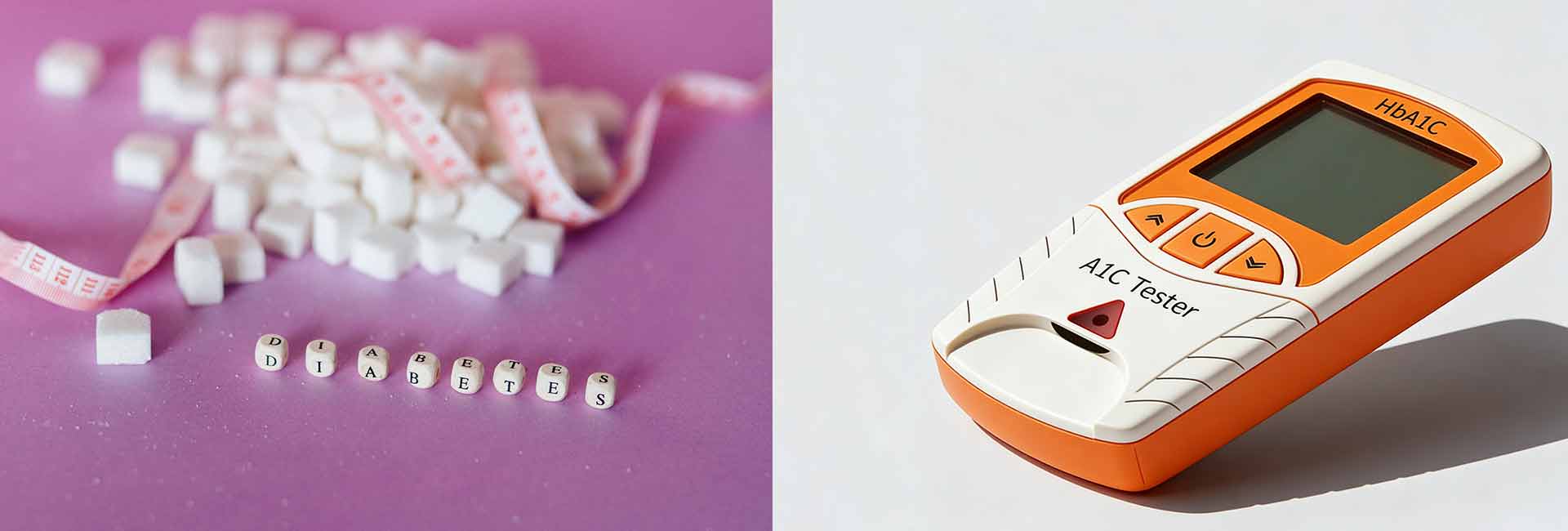
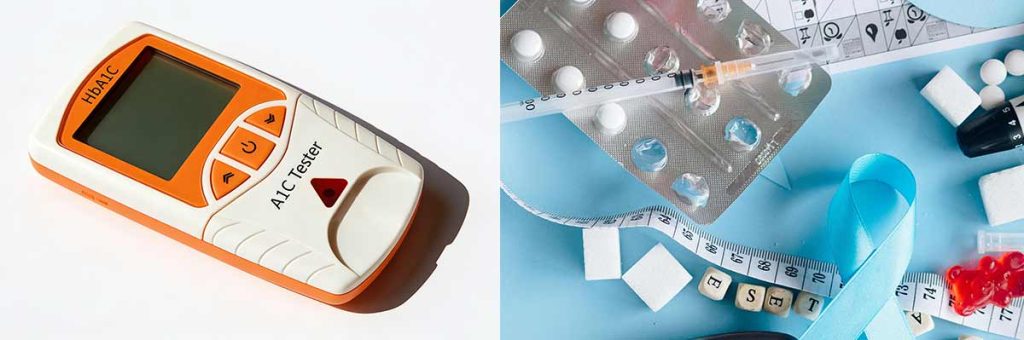


Using expired A1C test cartridges can produce unreliable numbers. Reliable results matter for diabetes control. Many factors cause expiration, including chemical breakdown. People should check expiration dates before testing. An expired cartridge may lead to confusion and incorrect treatment choices.
Key Takeaways
- Always check the expiration date on A1C test cartridges and diabetic test strips before use to ensure accurate readings.
- Using expired test strips can lead to misleading results, which may cause poor diabetes management and serious health risks.
- Dispose of expired cartridges safely and replace them promptly to maintain effective diabetes monitoring and protect your health.
A1C Test Cartridges and Expiration
Why Expiration Dates Matter?
Manufacturers design A1C test cartridges to deliver precise readings for diabetes management. Over time, the chemicals inside these cartridges can break down. This process affects the reliability of the test strips and the accuracy of the results. The FDA highlights that using expired test strips or cartridges can lead to incorrect readings. LifeScan, a leading manufacturer, does not guarantee product performance after the expiration date. These warnings show that expiration dates protect users from unreliable results.
Regulatory guidelines help ensure safety. The table below outlines common expiration practices for diabetic test strips and glucose control solutions:
| Expiration Type | Description |
|---|---|
| Closed Bottle Expiration Date | Printed on the glucose control bottle label. |
| Opened Bottle Expiration Date | 3 months from the date the control solution bottle was first opened. |
| Additional Practice | Write the date when the solution was first opened on the bottle label. |
People should always check the expiration date before using an A1C tester or A1C test kit.
How Expired Cartridges Affect Accuracy?
Expired A1C test cartridges can cause significant problems. The chemicals inside the cartridge may not react as intended. This leads to inaccurate readings during testing. Inaccurate results can mislead users about their diabetes control. Using expired diabetic test strips or cartridges increases the risk of making poor treatment decisions. The reliability of expired test strips drops, just like with expired diabetic test strips. An A1C tester cannot ensure accuracy if the cartridge has expired. For the best results, people should use fresh cartridges and test strips.
Risks of Using Expired Test Strips and Cartridges
Inaccurate Results and Health Impact
Expired A1C test cartridges and diabetic test strips pose significant risks to patient safety. When the chemicals or enzymes inside these products degrade, accuracy drops. The seriousness of using expired test strips becomes clear when unreliable readings affect blood sugar levels. Faulty reading can mislead healthcare providers and patients, resulting in poor monitoring and dangerous health consequences.
- Enzymes on test strips break down after expiration, causing inaccurate glucose readings.
- Exposure to humidity or extreme temperatures accelerates this breakdown.
- Using expired test strips increases the risk of receiving faulty reading, which can lead to dangerous management decisions for diabetics.
Accurate readings are essential for diabetes management. Without them, patients may face complications such as nerve damage, cardiovascular disease, or ketoacidosis. The FDA and manufacturers warn that test strip performance cannot be guaranteed after expiration. Safety depends on using fresh test strips and checking expiration dates before A1C testing.
Note: Expired product cannot deliver reliable results. Always prioritize patient safety by using products within their expiration period.
Misleading Readings and Diabetes Management
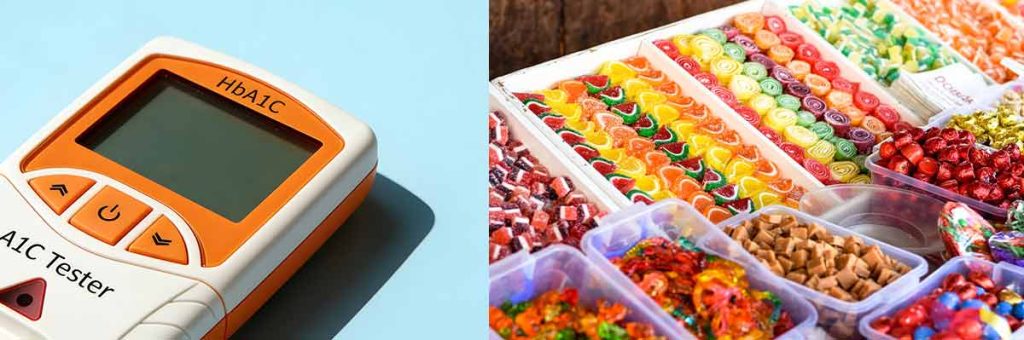
Misleading readings from expired diabetic test strips or A1C test cartridges compromise diabetes management. Healthcare providers rely on precise data to adjust treatment plans. Inaccurate readings skew results, making it difficult to monitor glucose levels and maintain control.
- Expired test strips can produce readings that are either too high or too low.
- Unreliable measurements impact diabetes management plans and may result in serious health complications.
- Poor management due to inaccurate readings can cause long-term issues, including nerve damage and cardiovascular disease.
Expiration dates serve as a safeguard for accuracy and safety. When individuals use expired test strips or cartridges, they risk mismanagement of diabetes. Monitoring becomes unreliable, and health consequences may follow. Fresh test strips ensure accurate readings and support effective diabetes care.
Tip: Always check expiration dates before testing. Replace expired A1C test cartridges and diabetic test strips to maintain accuracy and protect health.
What to Do with Expired A1C Test Cartridges?
Safe Disposal and Replacement
Proper disposal of expired A1C test cartridges protects both people and the environment. Local laws often require that used medical products, including expired product, go into a designated container. People should avoid placing loose cartridges or blood glucose test strips in household trash unless community guidelines allow it. Many areas offer drug collection programs or special drop-off sites for medical waste. Some states have specific rules for disposing of used diabetic test strips, pens, vials, and cartridges. When a sharps container reaches three-quarters full, individuals should follow local instructions for safe disposal.
To maintain accuracy in diabetes monitoring, people should replace expired test strips and cartridges promptly. Best practices for replacement include:
- Check the expiration date before every use.
- Store test strips in their original container.
- Write the opening date on the vial.
- Avoid sharing test strips between meters.
- Contact suppliers about auto-refill programs to prevent running out.
Fresh test strips and cartridges help ensure reliable readings and support safe diabetes management.
Tip: Safe disposal and timely replacement of expired items protect both health and community safety.
Alternatives to Using Expired Test Strips
When expired diabetic test strips or cartridges are not available, people can consider alternative A1C testing methods. Over-the-counter kits, such as the A1CNow SELFCHECK, show high accuracy and strong correlation with laboratory results. In a study, 93.2% of A1C values from these kits matched laboratory values within ±13.5%. However, some alternative methods may not meet the strict accuracy criteria set by the National Glycohemoglobin Standardization Program. For best results, individuals should use certified kits and consult healthcare providers for guidance.
Accurate readings from fresh test strips remain the gold standard for diabetes testing and management. Reliable test strip performance supports effective glucose control and reduces the risk of complications.
Conclusion
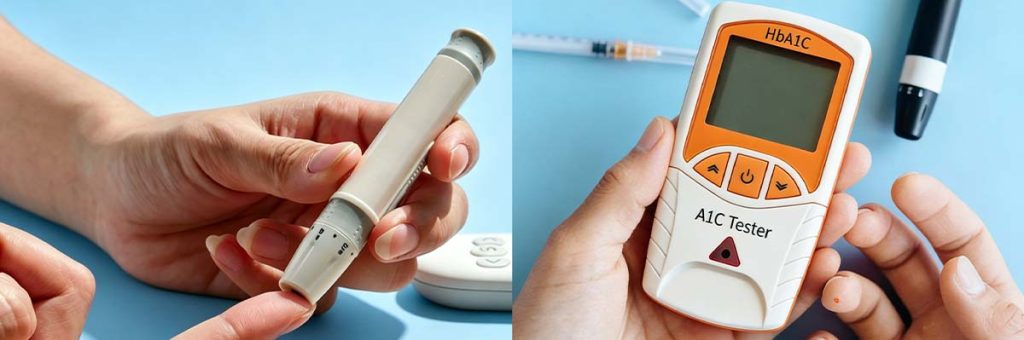
Expired diabetic test strips and A1C test cartridges can produce unreliable readings. Regularly checking the expiration date improves accuracy and supports safe diabetes management. Healthcare providers advise patients to dispose of expired products and use fresh test strips. Diabetic test strips purchased from authorized suppliers help prevent health complications. People should consult their healthcare provider if unsure.
FAQ
What Should Someone Do If They Accidentally Use an Expired Test Strip?
They should repeat the test with a fresh strip. Expired test strip results may not reflect true glucose levels. Reliable readings support safe diabetes monitoring.
Can Diabetic Test Strips Be Stored in the Refrigerator?
Manufacturers recommend storing diabetic test strips at room temperature. Refrigeration can cause moisture buildup, which may damage the test strips and affect accuracy.
How Often Should People Replace Diabetic Test Strips for Accurate Readings?
People should replace diabetic test strips before the expiration date. Fresh test strips help ensure accurate readings and effective diabetes management.