
A1C Tester
A1C Home Tester
Hemoglobin A1C Tester
Professional A1C Tester for HbA1c Test
Simple A1C Testing with Reliable Result
Designed for Diabetes Management
Get A QuoteSimple A1C Testing with Reliable Result
Designed for Diabetes Management
What Is A1C Tester?
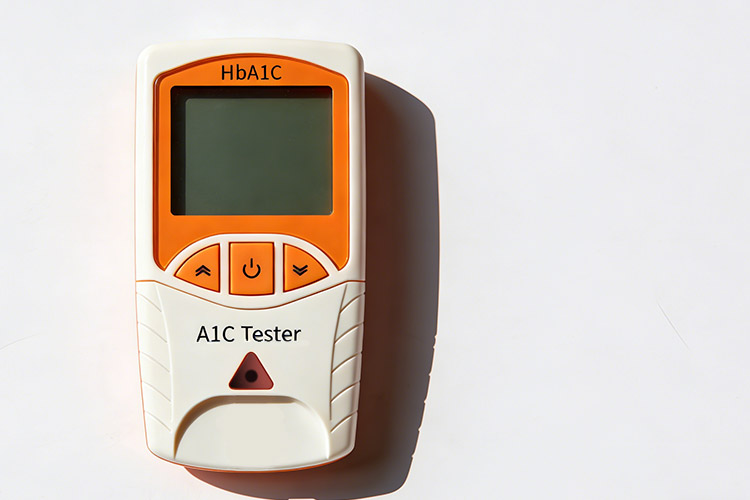
A1C tester is a portable medical device used to measure the level of glycosylated hemoglobin (HbA1c) in human blood. Unlike regular blood sugar tests, HbA1c test reflects the average blood sugar level over approximately 2-3 months. Therefore, it is widely used in the screening, diagnosis and long-term management of diabetes. With a simple fingertip blood draw, A1C values can be obtained within a few minutes. For people who need long-term monitoring of their blood sugar levels, A1C blood tester is of great value. Compared to single blood sugar test which is easily influenced by short-term factors such as diet and mood, hemoglobin A1C tester can better reflect the overall trend of blood sugar control. As a result, both patients who have been diagnosed with diabetes and those at high risk can use hemoglobin A1C meter regularly to assess the management effect and adjust their lifestyle or treatment plan in time. Due to its simple operation, quick results and the lack of reliance on large laboratory equipment, A1C meter is particularly suitable for home self-testing, primary medical institutions and medical scenarios. Therefore, A1C home tester is gradually becoming an indispensable important device in modern health management.

Experiences
More than 20 years diabetes / A1C Tester Manufacturing

Certifications
ISO9001, product comply with international standard

Customization
Rich experience in OEM/ODM glucose and hba1c test

Delivery
Worldwide delivery
short lead time
short lead time
What Is HbA1c?
HbA1c (glycated hemoglobin A1C) refers to a stable compound formed when glucose combines with hemoglobin in the blood. Hemoglobin is present in red blood cells and is responsible for transporting oxygen. When the glucose concentration in the blood increases, some glucose undergoes a non-enzymatic reaction with hemoglobin, gradually forming glycosylated hemoglobin. Once this process occurs, it is basically irreversible during the lifespan of red blood cells, approximately 120 days. Therefore, hemoglobin A1C can reflect the average blood glucose level over a certain period of time. A1C is stable and is not affected by occasional fluctuations in blood glucose levels. It can objectively reflect the average blood glucose level of diabetic patients in the past 2-3 months. Also, it is closely related to diabetic complications, especially microvascular diseases. Generally speaking, the higher the HbA1c level, the higher the average blood glucose level in the past period and the poorer the blood glucose control. Therefore, glycosylated hemoglobin A1C is a scientific, stable and highly clinically valuable indicator. It not only helps people understand the long-term blood glucose control level, but also provides important basis for the prevention, diagnosis and management of diabetes.
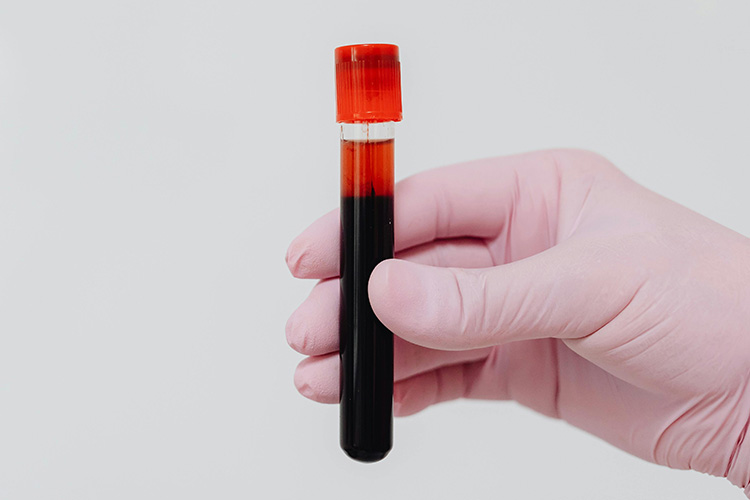
--> Assess the overall control of blood glucose over 2-3 months
--> Predict the risk of chronic complications of diabetes
--> Serve as a diagnostic indicator for diabetes
--> Differentiate stress-induced hyperglycemia
--> Predict the risk of chronic complications of diabetes
--> Serve as a diagnostic indicator for diabetes
--> Differentiate stress-induced hyperglycemia
Overview of HbA1c Level
HbA1c reflects the average blood sugar level over the past 2-3 months and is an important indicator for assessing blood sugar control and the risk of diabetes. The general reference standards are as follows:
| Status | HbA1c Range | Description |
|---|---|---|
| Low | 4.0% < | Relatively low |
| Normal | 4%-6% | Normal range |
| Prediabetes | 6.1%-6.4% | Recommend lifestyle modification |
| Diabetes | ≥ 6.5% | Require further diagnosis |
Health Risks Associated with High A1C Level
When HbA1c level exceed the normal range (4%-6%), this is not only a sign of poor blood sugar control, but also may bring various health risks:

Cardiovascular disease
Long-term high blood sugar can lead to arteriosclerosis and increasing the probability of heart and brain vascular diseases such as heart disease, coronary heart disease and stroke. The greater the blood sugar fluctuation.

Diabetes and its complications
High HbA1c level is an important indicator of diabetes. If blood sugar is not controlled for a long time, it may cause serious complications such as retinopathy, kidney function damage and peripheral neuropathy.

Metabolic disorder
Persistent elevation of blood sugar levels can affect the metabolism of fats and proteins, increasing the risk of metabolic disorders such as obesity, hypertension and high cholesterol, further burdening the cardiovascular system.
Weakened immunity
Long-term high blood sugar may affect the function of white blood cells, causing a decline in the body’s resistance and making it more susceptible to infections or delaying wound healing.
Who Needs an A1C Tester?

A1C tester is applicable to a wide range of people, especially those who need to pay attention to changes in blood sugar levels and metabolic health. For patients who have been diagnosed with diabetes, regular A1C testing helps assess the long-term control of blood sugar and guide the adjustment of treatment plans. At the same time, people at high risk of diabetes should also undergo HbA1c test for early screening. People with prediabetes and those over 45 years old are also recommended to have regular tests to promptly detect abnormal blood sugar levels and take intervention measures. Additionally, women with a history of gestational diabetes and those with symptoms such as excessive thirst, frequent urination and fatigue should also undergo HbA1c blood test. Through scientific and continuous monitoring, better blood sugar management and disease prevention can be achieved.
a) People diagnosed with diabetes
b) Individuals at risk of diabetes
c) Adults aged 45 and older
d) Overweight or obese individuals
b) Individuals at risk of diabetes
c) Adults aged 45 and older
d) Overweight or obese individuals
e) People with a family history of diabetes
f) Individuals with symptoms of high blood sugar
g) People with abnormal blood glucose history
h) Patients undergoing diabetes treatment or monitoring
f) Individuals with symptoms of high blood sugar
g) People with abnormal blood glucose history
h) Patients undergoing diabetes treatment or monitoring
Importance of Using A1C Tester in Blood Sugar Control
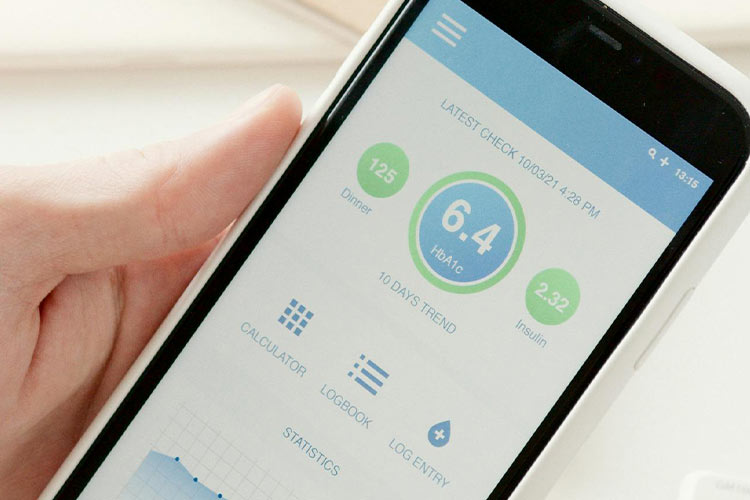
Assess the overall control of blood glucose over 2-3 months
A1C is an important indicator for evaluating long-term blood sugar control. Among various blood sugar monitoring indicators, including fasting blood sugar and post-meal blood sugar, all are susceptible to short-term factors, while glycated hemoglobin has higher stability and representativeness. Therefore, it is regarded as one of the most reliable indicators for measuring the effect of blood sugar control.

Predict the risk of chronic complications of diabetes
HbA1c level is closely related to the occurrence of chronic complications of diabetes, especially microvascular complications such as diabetic retinopathy, nephropathy and neuropathy, etc. When A1C hemoglobin is below 7%, the risk of chronic complications is relatively low. Otherwise, the related risk will significantly increase. Therefore, glycated hemoglobin A1C can be used as an important reference indicator for predicting diabetes complications.

Serve as a diagnostic indicator for diabetes
Unlike a single blood glucose test, diabetes A1C reflects the long-term blood glucose level and is more in line with the characteristics of diabetes as a chronic metabolic disease. Therefore, its value in diabetes diagnosis has gradually gained attention. In recent years, relevant academic conferences have officially proposed including diabetes hemoglobin A1C in the diagnostic criteria, marking the further standardization and maturity of its clinical application

Differentiate stress-induced hyperglycemia
In certain acute stress conditions such as myocardial infarction, stroke or severe infection, the body may experience a temporary increase in blood sugar, known as stress-induced hyperglycemia. In this situation, the immediate blood sugar level of the patient may rise, but HbA1c diabetes does not necessarily increase accordingly. For true diabetic patients, their HbA1c levels usually remains persistently elevated.
Design Features of A1C Tester
A1C tester adopts a compact and lightweight design concept. The device is small and portable, easily fitting into a bag. Whether at home or on a business trip, it can be used for hemoglobin A1C blood test at any time, allowing for unrestricted blood sugar management. HbA1c meter is easy to operate and intuitive, even for first-time users. Just a small amount of blood sample is required and hemoglobin A1C test can be completed following the instructions in the manual. Reliable results can be obtained in just a few minutes. The clear display makes the data easily understandable.

Portable and lightweight
Compact design, easy to carry and store, allowing for continuous blood glucose monitoring anytime and anywhere

Simple operation
Clear, intuitive operation process & only 3ul blood sample is needed to complete the test, reducing the possibility of errors

Intelligent recording
Automatically saves historical data, helping understand the trend of blood glucose changes and assisting in daily health management

User-friendly
Simple appearance, buttons and display screens are easy to operate, even elderly people or beginners can easily master it
Key Technologies of A1C Tester
A1C tester employs advanced electrochemical detection technology. Through the specific reaction between glycated hemoglobin in the blood and the reagent, it generates weak electrical signals, which are then converted into readable values by home A1C test meter, accurately measuring blood sugar levels. This technology combines the characteristics of rapidity, precision and high repeatability, obtaining reliable results within minutes. Through this electrochemical technology, A1C test machine can simplify and accurately perform complex blood sugar monitoring, allowing users to monitor their blood sugar status at any time and help better manage their health.
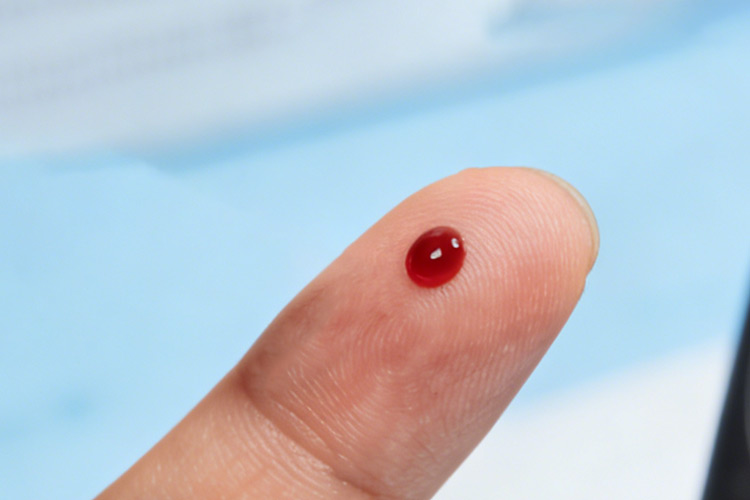
High sensitivity
The electrochemical method can detect diabetic A1C in trace amounts of blood samples, ensuring measurement accuracy even with small blood sample volumes
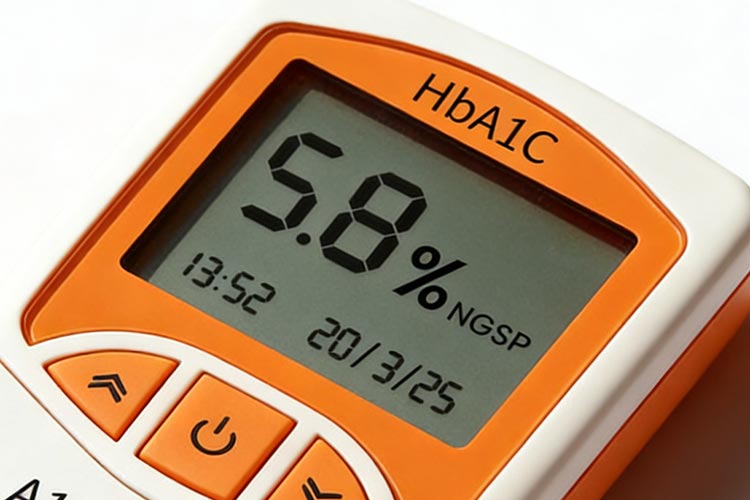
Stability and reliability
The electrochemical signals are directly converted into numerical values, reducing human reading errors and improving data consistency and repeatability

Small sample volume
Only a small amount of blood (3ul) is required for the test, reducing operational difficulty and user discomfort

Wide applicability
It is suitable for home self-testing and also meets the needs of rapid clinical testing, providing scientific basis for blood sugar management
A1C Tester vs. A1C Lab Test
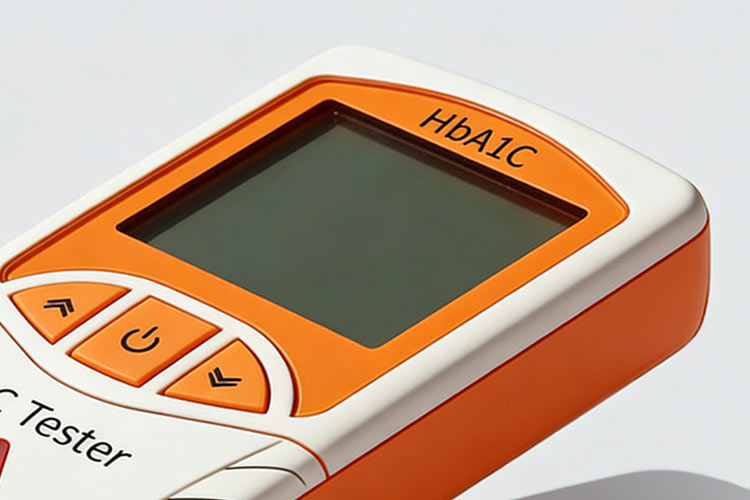
A1C Home Test
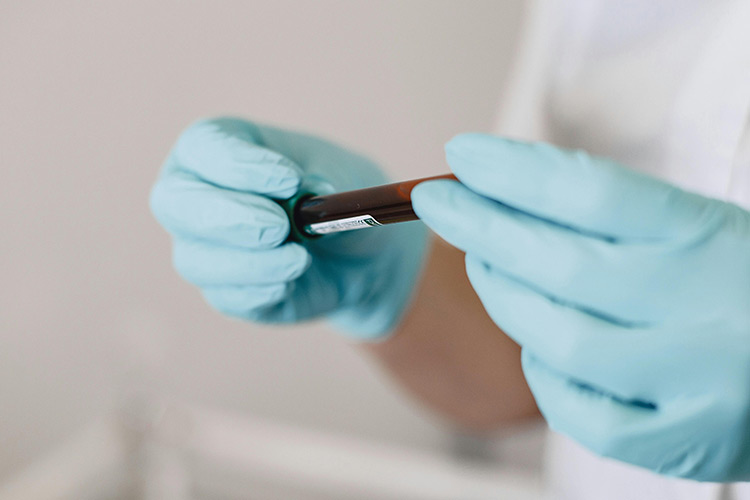
A1C Lab Test
| VS | A1C Tester | A1C Lab Test |
|---|---|---|
| Testing method | Small fingertip blood sample | Venous blood draw |
| Testing time | Within 5 minutes | 1-2 days |
| Testing cost | Small consumables, cost-effective | Higher cost for long-term use |
| Result feedback | Immediate HbA1c result | Wait for lab report |
| Testing difficulty | Test at home anytime, anywhere | Test in hospital, required appointment and queue |
| Users | Suitable for self-monitoring and diabetes management | Clinical diagnosis by professionals |
Application Scenarios of A1C Tester
Routine clinical testing

Convenient home testing

Pregnancy health monitoring

Occupational health examination

Regular health check-ups for children

Nutritional status monitoring for students
FAQ of A1C Tester
Can I test my A1C at home?
Yes, it is possible to test your A1C at home using a reliable A1C tester or A1C test kit. These devices typically use a small fingertip blood sample and can provide results within minutes. But it is still important to confirm any abnormal results with your healthcare provider.
What is a normal A1C level?
A normal A1C level is usually between 4%-6%. Values within this range indicate healthy blood sugar level. Levels between 6.1%-6.4% may indicate prediabetes, while levels above 6.5% are often used to diagnose diabetes. It is important to regularly monitor your A1C to maintain long-term health.
Is an A1C test accurate?
A1C test is generally considered accurate and is widely used in clinical practice. A1C test meter provides reliable results, especially for tracking trends over time. However, for a precise diagnosis or if results are unusual, laboratory test performed by healthcare professionals is recommended.
What happens when A1C is too high?
When blood glucose A1C is too high, it means your blood sugar has been elevated for a long period. This can damage blood vessels and nerves, leading to complications such as cardiovascular disease, kidney problems, neuropathy and eye problems. Managing high A1C requires a combination of lifestyle changes and regular monitoring with A1C meters.
What brings down blood sugar immediately?
Immediate reduction of blood sugar is limited. Drinking water or taking insulin can help lower blood sugar temporarily. However, long-term blood sugar control relies on consistent healthy habits, balanced nutrition and monitoring with tools like A1C monitor at home. Quick fixes alone are not enough to maintain safe blood sugar levels.
What time of day are sugar levels highest?
Blood sugar levels are usually highest after meals, known as postprandial glucose. This is especially noticeable after breakfast or large meals. Other factors such as stress, lack of sleep or illness can also cause temporary increases.
What is a dangerous level of A1C?
An A1C level above 9% is generally considered high and indicates poor blood sugar control. Persistently high A1C increases the risk of diabetes-related complications. Therefore, regular monitoring and lifestyle adjustments are essential to prevent these risks.
Can I lower my A1C naturally?
Yes, blood sugar HbA1c can be lowered naturally through lifestyle changes. Healthy eating, regular exercise and stress management all contribute to better blood sugar control. While these methods work gradually, they are essential for long-term diabetes prevention and management.