
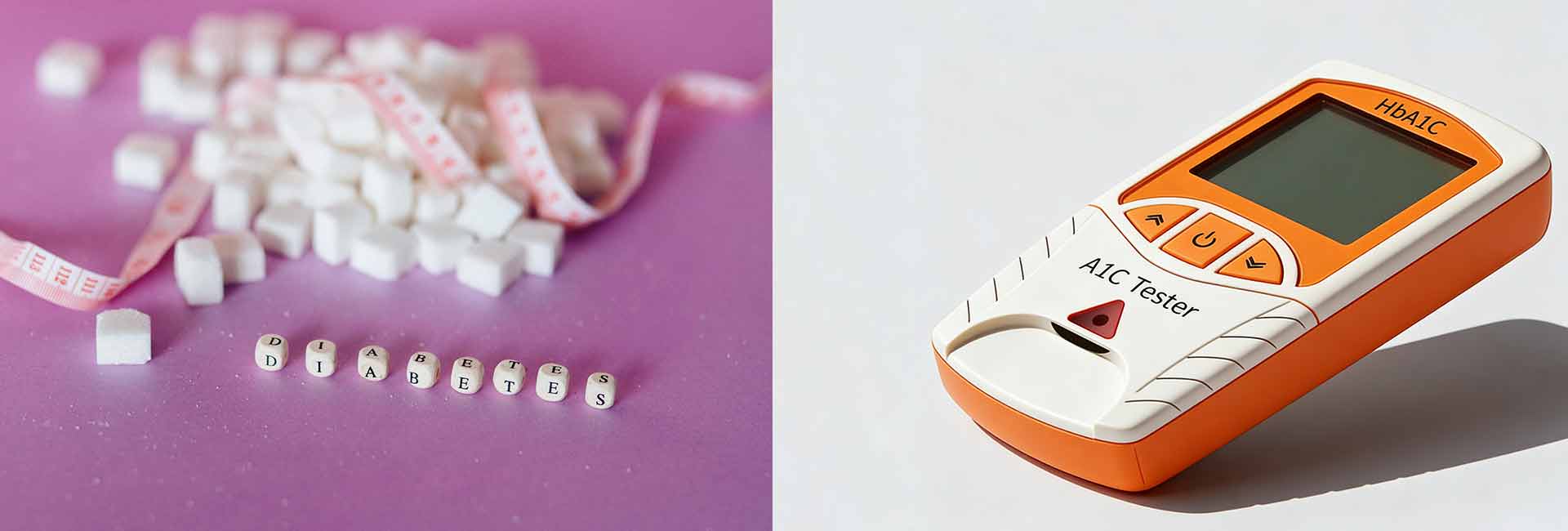
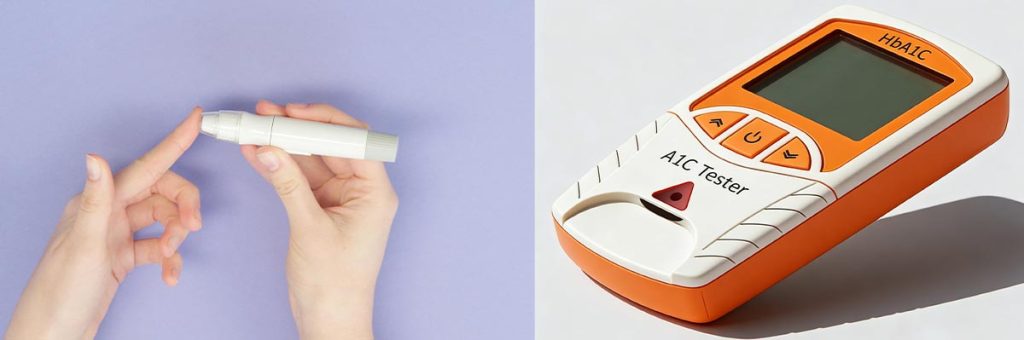


Choosing the best at-home diabetes tests in 2026 gives users more control over their health. The demand for hemoglobin A1C tester continues to rise as diabetes affects millions worldwide.
- Type 2 diabetes drives the need for A1C tester.
- The market expects rapid growth, reaching 643 million people by 2030.
Clinical studies show that home testers vary in accuracy and reliability.
| Home Test Name | Percentage of Samples Within 5% of Lab Result (NGSP Benchmark) |
|---|---|
| Home Access | 82% |
| A1cNow+ | 46% |
| CoreMedica | 29% |
Each person should consider individual health needs and lifestyle when selecting a home A1C tester.
Key Takeaways
- Choosing the right A1C tester empowers individuals to manage diabetes effectively from home.
- Consider accuracy, convenience, and personal health needs when selecting a home A1C tester.
- Regular A1C testing helps monitor diabetes and supports proactive health management.
- Many at-home A1C testers now offer rapid results and user-friendly features for easy use.
- Consult healthcare professionals to interpret A1C results and ensure effective diabetes care.
Top Hemoglobin A1C Tester Picks
Choosing the right hemoglobin A1C tester can help individuals manage diabetes with confidence. The best at-home diabetes tests in 2026 offer a blend of reliability, convenience, and user-friendly features. Each option below stands out for specific strengths, making it easier for users to find a home solution that fits their needs.
Best Overall Choice
The Everlywell HbA1c Home Test leads the market as the best overall hemoglobin A1C tester. This kit provides clear instructions and includes all necessary materials for collecting a small blood sample at home. Users mail the sample to a certified lab, and results arrive securely online within days. Everlywell’s test meets high standards for accuracy and reliability, making it a trusted choice for those who want dependable home results. The company’s strong reputation and easy-to-understand reports help users track their diabetes status over time.
Best for Follow-Up Care
The myLAB Box Hemoglobin A1C Screening Test stands out for follow-up care. This home test allows users to monitor their HbA1c between doctor visits. The kit includes pre-paid shipping and a simple finger-prick collection method. Results are available online, and users can share them directly with healthcare providers. This feature supports ongoing diabetes management and helps patients stay on track with treatment plans. myLAB Box emphasizes privacy and convenience, making it a top pick for those who need regular monitoring.
Popular At-Home Diabetes Tests
Several other home A1C tests have gained popularity for their accessibility and ease of use. These options include:
- A1CNow: This hemoglobin a1c tester delivers results in minutes without mailing samples. It suits users who want immediate feedback at home. The device is portable and requires only a small blood drop.
- ReliOn: Available at many pharmacies, ReliOn offers affordable home tests for diabetes monitoring. The kits are easy to use and provide quick results, making them a practical choice for budget-conscious users.
- A1C TESTER: This test provides fast results and is designed for home use. It appeals to those who value speed and simplicity.
- CVSHealth and Walgreens Kits: Both brands offer home a1c tests that are widely available and convenient. These kits include clear instructions and support users who prefer to purchase from trusted retail stores.
Note: Many of these home tests have received FDA approval for diagnostic use. The American Diabetes Association recommends a1c testing at least twice yearly for patients with stable glycemic control and quarterly for those not meeting their goals. For prediabetes, yearly testing helps monitor changes and prevent progression to diabetes.
The table below summarizes FDA approval status and ADA recommendations for leading hemoglobin A1C tester options:
| Hemoglobin A1C Tester | FDA Approval Status | ADA Recommendations |
|---|---|---|
| Afinion 2 HbA1c Dx cartridges | Approved for diagnostic use | A1C testing frequency based on glycemic control status; at least twice yearly for stable patients, quarterly for those not at goal. |
- A1C values above 6.5% indicate diabetes.
- Prediabetes falls within an a1c range of 5.7% to 6.4%.
- Yearly home tests are recommended for those with prediabetes.
Selecting the best at-home diabetes tests involves considering accuracy, convenience, and how well the kit fits into daily routines. Home A1C tests empower users to take charge of their health and support ongoing diabetes management.
Why Trust At-Home Diabetes Tests in 2026?
Advances in HbA1c Technology
By 2026, at-home diabetes tests have seen remarkable progress. Many point-of-care devices now offer results in less than five minutes, compared to the fifteen-minute wait in previous years. Over seventy new A1C tester models appeared between 2022 and 2024, showing rapid innovation. Device sizes shrank by about thirty-five percent, making in-home tests more portable and user-friendly. Connectivity features, such as Bluetooth and cloud services, allow users to track their average blood sugar and share data with healthcare providers. Abbott Laboratories continues to pursue FDA approval for its Afinion HbA1c Dx system, aiming to expand diagnostic capabilities. These improvements help users monitor HbA1c levels efficiently and confidently from home.
- Faster test turnaround times
- Enhanced portability
- Seamless data management through connectivity
Reliability and Accuracy
Recent studies confirm that at-home diabetes tests deliver lab-quality results. The HbA1c home kit demonstrates strong concordance with standard point-of-care HbA1c tests. The differences in HbA1c values between home and laboratory methods remain clinically insignificant. Diagnostic accuracy rates reach nearly ninety-six percent, with high sensitivity and specificity. These findings support the use of A1C testers for telehealth and ongoing diabetes management.
| Metric | Value |
|---|---|
| Sensitivity | 93.62% |
| Specificity | 97.30% |
| Positive Predictive Value | 95.65% |
| Negative Predictive Value | 96.0% |
| Diagnostic Accuracy | 95.87% |
| Positive Likelihood Ratio | 34.64 |
| Negative Likelihood Ratio | 0.07 |
Convenience for Diabetes Management
At-home diabetes tests provide rapid results, reducing the need for lab visits. Patients gain more control over their blood sugar levels and can monitor HbA1c levels regularly. These tests offer economic benefits, saving costs for healthcare systems and families. Accessibility improves for those in underserved areas, making diabetes management easier. Diabetes associations recognize at-home A1C testing as a convenient and affordable method for monitoring control. Home kits complement regular healthcare consultations and do not replace daily blood glucose checks. A1C testers empower users to manage diabetes proactively and maintain healthy blood sugar levels.
Tip: Use at-home diabetes tests in consultation with healthcare professionals to ensure optimal diabetes management.
A1C Tester Comparison
Key Features Overview
A1C testers in 2026 show remarkable advancements. Many home kits now feature automated processes that reduce manual errors and improve turnaround times. Analytical specificity has increased, allowing accurate results even when common hemoglobin variants are present. Users benefit from integrated cardiometabolic panels, which provide a broader assessment of diabetes risk beyond just A1C values. Home testers also offer connectivity options, enabling easy tracking of average blood sugar and sharing data with healthcare providers.
- Automated testing reduces mistakes and speeds up results.
- Enhanced specificity ensures accuracy for diverse populations.
- Integrated panels help users understand diabetes risk.
- Connectivity features support ongoing management of blood sugar levels.
The following table compares the speed and turnaround times of leading A1C tester analyzers:
| Analyzer | Turnaround Time (minutes) |
|---|---|
| G11vr | 1 |
| G8vr | 1.6 |
| G8st | 1 |
| G11st | 0.5 |
Pros and Cons Summary
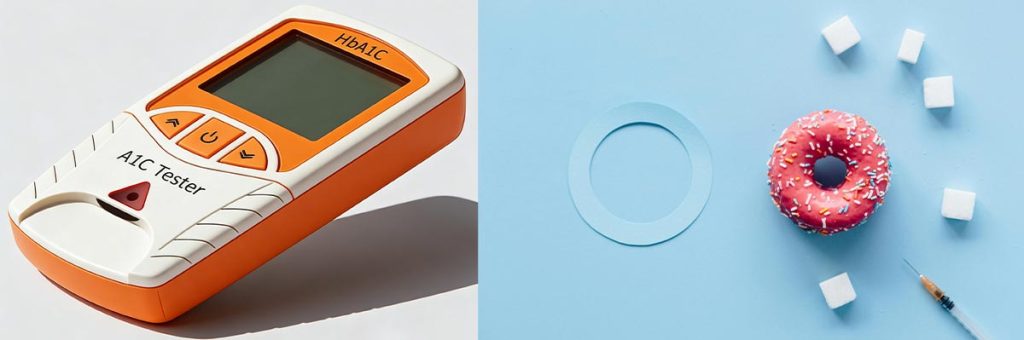
Different home A1C tester models suit various user needs. Some devices prioritize speed, while others focus on affordability or comprehensive testing. The table below highlights key features and budget considerations:
| Analyzer Model | Key Features | Budget Consideration |
|---|---|---|
| Siemens Rapidlab 348 | Measures total hemoglobin and performs blood gas analysis. | Suitable for emergency settings. |
| Siemens Rapidlab 1250 | Tests total hemoglobin using photometric/electrochemical methods. | Common in hospital environments. |
| Siemens Advia 120 | User-friendly, quick results for low to moderate test volumes. | Budget-friendly for small clinics. |
| Siemens Advia 2120 | Handles large test volumes, suitable for high-throughput labs. | Higher initial investment but efficient. |
| Beckman Coulter DxH 900 | Provides standard hemoglobin and a1c testing capabilities. | Good for labs needing comprehensive tests. |
Tip: Home A1C tester kits with integrated panels and connectivity features offer the best support for diabetes follow-up care and tech integration. Budget-friendly options like Siemens Advia 120 help small clinics and families manage diabetes without high costs.
Home A1C testers empower users to monitor blood glucose and average blood sugar from home. Choosing the right tester depends on speed, accuracy, and individual needs.
A1C Tester Reviews
Best Overall Hemoglobin A1C Tester
The Everlywell HbA1c Home Test stands out as the best overall A1C tester for 2026. This diabetes test kit offers a balance of accuracy, convenience, and user-friendly design. Users collect a small blood sample at home and mail it to a certified lab. The process includes clear instructions, which helps reduce errors. Results arrive securely online within days, allowing users to track their average blood sugar over time. Everlywell’s home kit appeals to those who want reliable results without visiting a clinic. The company’s strong reputation and responsive customer support add to its appeal. Some users report that the kit may feel less reliable than lab tests, but clinical studies show high accuracy. This A1C tester suits individuals who value privacy, convenience, and ongoing diabetes management.
Most Accurate HbA1c Test
The myLAB Box Hemoglobin A1c Screening Test earns recognition for its accuracy and reliability. This home kit uses a finger-prick method and provides results that closely match laboratory standards. Many healthcare professionals recommend this diabetes test kit for follow-up care between doctor visits. Users appreciate the ability to share results directly with their healthcare team. The kit includes pre-paid shipping and easy-to-follow instructions. Some users find the collection process requires careful attention to detail, but the high accuracy makes it a top choice for those who prioritize precise monitoring of blood sugar levels. This A1C tester fits users who want dependable results and seamless integration with their diabetes care plan.
| Strengths | Weaknesses |
|---|---|
| Can be used at home for convenience | Can be difficult to use without prior familiarity or instructions |
| Compact and portable, similar in size to a glucose meter | Requires a specific sequence of use to avoid errors |
| Easy to operate with no maintenance needed | May feel less reliable than lab tests despite clinical accuracy |
| Provides results in just 5 minutes | Not covered by insurance and may not meet professional criteria |
| Uses a small blood sample, only slightly larger than a glucose droplet | |
| Decent accuracy compared to laboratory tests | |
| Available in various quantities for additional testing |
Easiest At-Home Diabetes Test
The FreeStyle Freedom Lite receives high marks from both consumers and healthcare professionals for ease of use. This A1C tester features a compact design and requires only a small blood sample. Users find the device intuitive, with simple instructions and minimal setup. The meter’s portability allows for convenient testing at home or on the go. Many people choose this diabetes test kit when they want a straightforward experience without complicated steps.
- Compact and lightweight design
- Requires a small blood sample
- User-friendly interface
- Highly rated by both consumers and healthcare professionals
This home kit works well for individuals who may feel intimidated by more complex devices or who need to test frequently.
Best Budget Option
ReliOn offers one of the most affordable A1C tester choices on the market. Available at many pharmacies, this diabetes test kit provides quick results and straightforward instructions. Users appreciate the low cost, which makes regular monitoring accessible for families and individuals managing diabetes on a budget. The kit’s design focuses on simplicity, so users can perform tests at home without specialized training. Some users note that the kit may lack advanced features found in more expensive models, but it delivers reliable results for routine monitoring. ReliOn’s home kit is ideal for those who want to manage diabetes without high expenses.
Best for Tech Integration
The OBM Rapid A1C Test leads in technology integration among home kits. This A1C tester connects with mobile apps and cloud services, allowing users to track results and share data with healthcare providers. The device provides fast results and supports ongoing diabetes management through digital tools. Users who value technology and want to monitor blood glucose trends over time find this diabetes test kit especially useful. The OBM Rapid A1C Test appeals to tech-savvy individuals who want to combine convenience with advanced features. Some users mention that setup may require initial technical support, but the benefits of seamless data management outweigh this minor challenge.
CVSHealth and Walgreens also offer home kits that provide reliable results and easy access. These brands focus on convenience and availability, making it simple for users to purchase diabetes test kits locally. Both options suit individuals who prefer trusted retail brands and want to manage diabetes from home.
Note: All A1C testers reviewed here support regular monitoring of diabetes and help users maintain healthy blood sugar levels. Each home kit has unique strengths, so users should consider their preferences and lifestyle when choosing the best option.
Choosing Your At-Home Diabetes Test
Assessing Your Needs
Selecting the right A1C tester starts with understanding personal health needs. Individuals should consider factors such as blood sample size, accuracy, connectivity, ease of use, and affordability. They should also discuss options with their healthcare provider to match the device to their diabetes management plan. Insurance coverage can influence the final choice, as some devices may be covered while others are not.
| Factor | Description |
|---|---|
| Type of Monitor | Choose the A1C tester that fits your lifestyle and testing frequency. |
| Cost | Review both the initial price and ongoing expenses for supplies. |
| Ease of Use | Select a device that matches your comfort level with technology and daily routines. |
| Personal Health Considerations | Account for any unique health needs or preferences. |
Evaluating Accuracy and Cost
Accuracy remains a top priority when choosing a home A1C tester. Devices with high accuracy rates help users make informed decisions about diabetes care. Cost also plays a role, as some testers offer advanced features at a higher price. Users should balance accuracy with affordability to find the best fit for their budget.
Tip: Check your insurance plan to see which home A1C tester model receives coverage.
Considering Ease of Use
Ease of use can impact the success of home testing. Most participants in recent studies completed home A1C tester procedures, but some found multiple steps challenging. Devices with clear instructions, educational videos, and simple interfaces reduce cognitive load and improve satisfaction. High satisfaction rates show that user-friendly testers support regular diabetes monitoring.
| Evidence Type | Description |
|---|---|
| Patient Completion | All users completed home A1C tester procedures with varying levels of assistance. |
| Patient Satisfaction | 87.5% reported satisfaction with medical advice and 53.1% found home testing convenient. |
Tech Features and Support
Technology integration enhances the home testing experience. Some A1C testers connect to mobile apps, offer real-time data management, or provide guided user interfaces. For example, the DCA Vantage Analyzer includes a data management system, while Spark Diagnostics Hb, A1c supports app integration. These features help users track results and share data with healthcare teams.
Note: Users should interpret home A1C tester results with guidance from healthcare professionals. Factors like hemoglobin variants, health conditions, and medications can affect accuracy. Regular consultation ensures effective diabetes management.
Conclusion
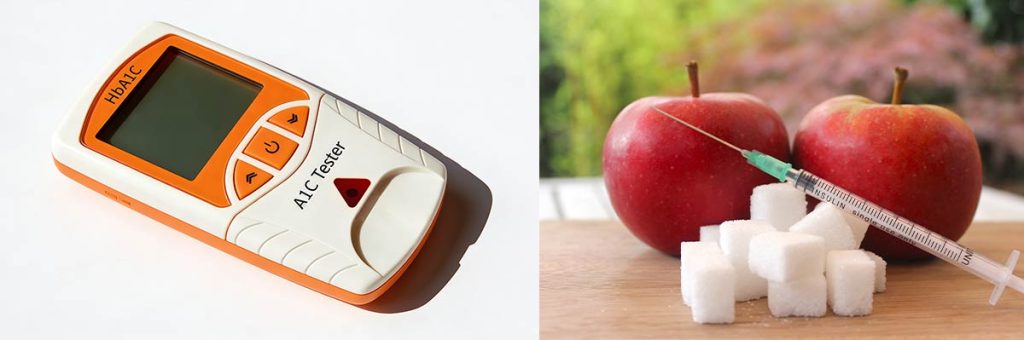
The best A1C testers in 2026 deliver high accuracy, rapid results, and unmatched convenience for home diabetes management. Individuals benefit from reliable testing methods that foster confidence and support proactive health care. Choosing the right A1C tester provides a dependable measure of average blood sugar levels at home, helping users monitor diabetes risk and evaluate glucose management. Understanding the limitations of each home device ensures accurate interpretation and peace of mind.
| Benefit | Description |
|---|---|
| High Accuracy | Various testing methods provide reliable results, fostering confidence in diabetes management. |
| Speed of Results | Rapid testing capabilities support immediate treatment decisions. |
| Convenience of Home Testing | Home-use point-of-care devices enhance patient engagement and self-monitoring preferences. |
Individuals who select a hemoglobin A1C tester tailored to their needs take charge of diabetes management and maintain metabolic health with confidence.
FAQ
What Is an A1C Tester?
An A1C tester is a device that measures average blood sugar levels over the past two to three months. People use it to monitor diabetes at home. Results help guide treatment and lifestyle choices.
How Often Should Someone Use an A1C Tester?
The American Diabetes Association recommends using an A1C tester at least twice a year for stable diabetes. For those not meeting goals, quarterly testing works best. People with prediabetes should test yearly.
Are At-Home A1C Testers as Accurate as Lab Tests?
Most modern A1C testers provide results close to laboratory standards. Studies show high accuracy rates. Users should follow instructions carefully and consult healthcare professionals for interpretation.
Can Teens or Older Adults Use an A1C Tester?
Yes, both teens and older adults can use an A1C tester. Clear instructions and simple designs make these kits accessible for most age groups. Family support may help younger users.
What Should Someone Do If Their A1C Tester Shows High Results?
If an A1C tester shows high results, the person should contact a healthcare provider. High readings may signal poor diabetes control or other health issues. Medical advice ensures proper management.