
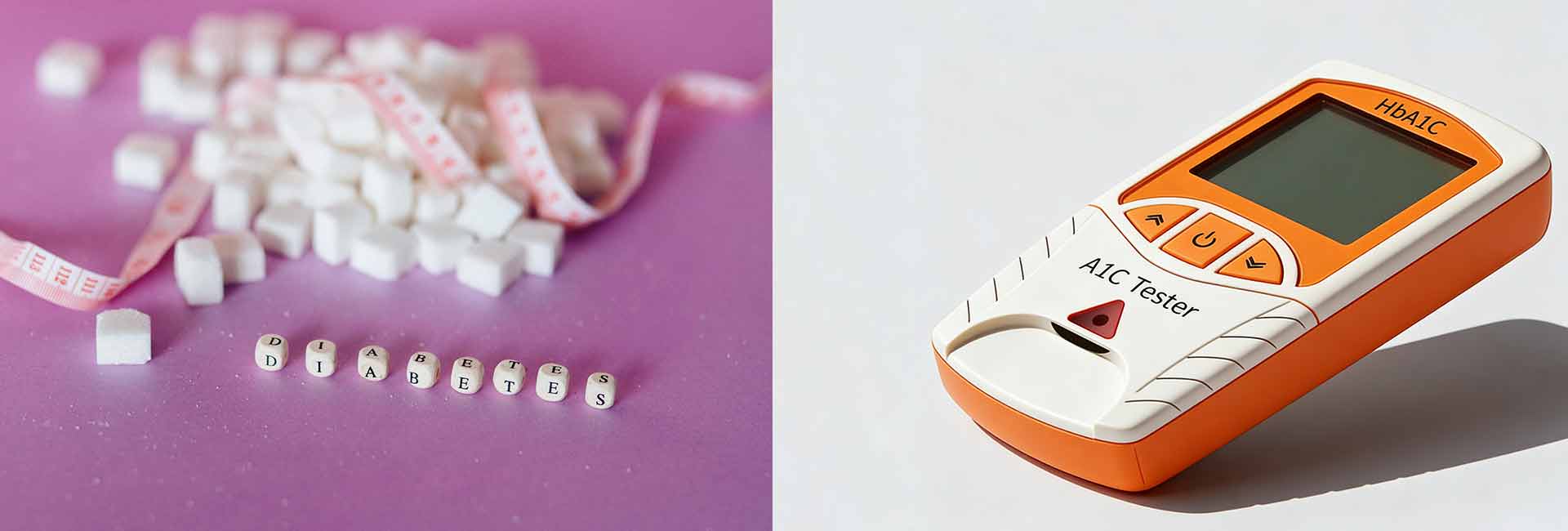
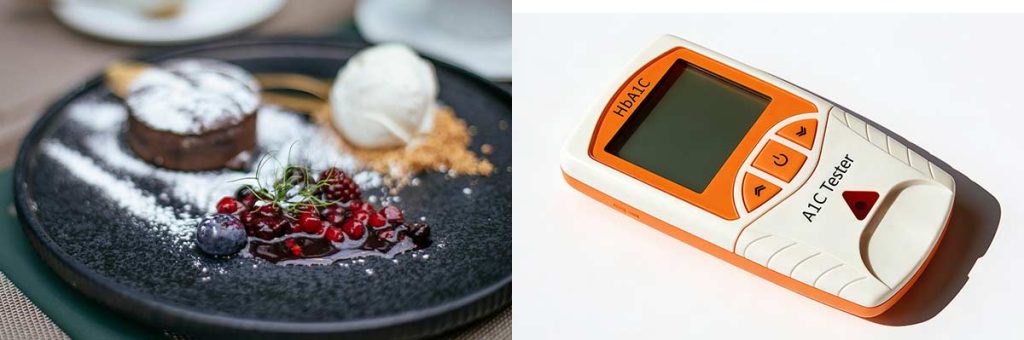


NGSP certification stands as a key requirement for A1C meters because it ensures both accuracy and traceability in A1C measurement. Accurate A1C results allow healthcare providers to make informed therapy decisions for diabetes. Reliable A1C testing aligns A1C tester with clinical trial standards, so patients and professionals can trust the findings. Without ngsp certification, A1C test results may vary from the reference, undermining diabetes care. Recent studies show that NGSP certified methods achieve a strong correlation with established HPLC methods, as seen below:
| Method | Correlation (R²) |
|---|---|
| NGSP Certified Method | 0.9885 |
| Established HPLC Method | – |
A1C measurement must reflect true A1C levels to guide safe diabetes management. Inconsistent A1C assay results from non-certified A1C devices can put patients at risk by affecting therapy and glucose control.
Key Takeaways
- NGSP certification ensures A1C meters provide accurate and reliable results, crucial for effective diabetes management.
- Healthcare providers rely on NGSP-certified devices to make informed therapy decisions, improving patient safety and outcomes.
- Regular certification and monitoring guarantee that A1C testers maintain high standards of accuracy and traceability.
- Using only NGSP-certified A1C devices aligns results with clinical trial standards, fostering trust in diabetes care.
- Patients should always choose NGSP-certified meters to ensure consistent and dependable A1C measurements.
What Is NGSP Certification?
NGSP and A1C Standardization
The National Glycohemoglobin Standardization Program, known as NGSP, plays a vital role in the standardization of A1C testing. NGSP certification confirms that A1C testers and laboratory methods deliver results that match those used in landmark clinical trials, such as the Diabetes Control and Complications Trial (DCCT). The main objectives of NGSP certification for A1C meters and A1C testing include:
- Ensuring that A1C results are consistent and comparable with DCCT-based standards.
- Supporting reliable A1C standardization across different devices and laboratories.
- Promoting international standardization so that results remain meaningful worldwide.
A1C standardization allows healthcare providers to interpret A1C values with confidence. Nearly 99% of U.S. clinical laboratories use NGSP-certified methods, which align A1C results with those from major studies. This alignment helps doctors and patients trust the numbers they see from an A1C tester.
How NGSP Certification Works?
The NGSP certification process uses strict criteria to guarantee the accuracy and traceability of A1C results. The program requires yearly certification of traceability to the DCCT, along with quarterly monitoring to ensure ongoing stability. Laboratories and manufacturers must meet stringent performance standards, as shown below:
| NGSP Certification Process Step | Requirement |
|---|---|
| Yearly Traceability Certification | Must match DCCT reference |
| Quarterly Monitoring | Ensures ongoing stability |
| Performance Criteria | 37 out of 40 results within 5% of SRL means |
The history of NGSP certification began in response to the need for standardization of A1C results after the DCCT established A1C as a key marker for diabetes management. Over time, the program has evolved to include more rigorous requirements and broader international standardization efforts. Today, NGSP certification stands as the gold standard for reliable A1C testing, ensuring that every A1C tester provides results that are both accurate and traceable.
Why NGSP Matters for A1C Meters?
Reliable Results in A1C Testing
A1C meters play a crucial role in diabetes management. They help patients and healthcare providers monitor long-term glucose control. Reliable results from these devices guide therapy adjustments and support safe treatment plans. NGSP certification ensures that A1C testers deliver consistent and accurate results. This certification requires strict annual testing against a secondary reference laboratory. The process checks that each device meets high standards for accuracy and precision.
A1C measurement must reflect true glycated hemoglobin values. NGSP-certified A1C devices, such as the Afinion and DCA Vantage meters, have shown higher accuracy and precision in College of American Pathologists (CAP) surveys. These devices closely match true reference A1C values. Their performance in clinical settings demonstrates the importance of standardization in A1C testing.
Note: The American Diabetes Association recommends using only NGSP-certified methods for A1C testing. This endorsement highlights the value of reliable A1C results for diabetes care.
The following table summarizes key requirements and endorsements for NGSP certification:
| Evidence Type | Description |
|---|---|
| NGSP Certification | Requires annual testing against a secondary reference laboratory to ensure accuracy and precision. |
| Performance Criteria | At least 37 out of 40 samples must fall within 6% of reference values for certification. |
| Endorsement | The American Diabetes Association recommends using only NGSP-certified methods for A1C testing. |
Traceability to Reference Standards
Traceability forms the backbone of A1C standardization. NGSP certification links A1C measurement directly to the Diabetes Control and Complications Trial (DCCT) reference. This connection ensures that A1C results from certified meters remain consistent with those used in major clinical trials. Traceability allows healthcare providers to compare A1C levels across different devices and laboratories with confidence.
A1C testers without NGSP certification may produce results that differ from the reference standard. These differences can lead to incorrect therapy decisions and put patients at risk. Non-certified A1C devices often lack the rigorous performance criteria required for reliable A1C assay results. In contrast, NGSP-certified A1C meters undergo regular testing and quality checks. This process guarantees that their A1C measurement aligns with established standards for glycated hemoglobin.
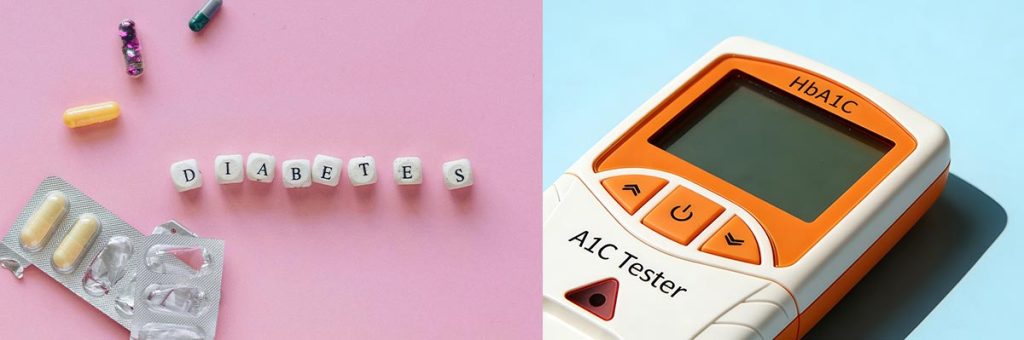
Standardization benefits both patients and healthcare professionals. It supports accurate A1C testing, which is essential for monitoring diabetes and adjusting treatment. Consistent results from NGSP-certified A1C devices improve patient safety and support better health outcomes.
A comparison between NGSP-certified and non-certified A1C testers highlights the advantages of certification:
- NGSP-certified A1C meters provide results that match reference standards for glycated hemoglobin.
- Non-certified devices may show greater variability in A1C assay results, leading to unreliable A1C measurement.
- Certified A1C devices support standardization, accuracy, and traceability, which are critical for effective diabetes management.
A1C standardization, accuracy, and traceability ensure that A1C results remain meaningful for both clinical trials and everyday diabetes care. NGSP certification stands as the foundation for reliable A1C testing, supporting safe and effective use of A1C meters in all healthcare settings.
NGSP Certification Process
Sample Comparisons and Standards
The NGSP certification process sets a high bar for A1C measurement accuracy and standardization. Manufacturers and laboratories must follow a structured program to achieve certification for their A1C devices. The process begins with the exchange of 40 patient samples between the manufacturer and a secondary reference laboratory. Each A1C tester must demonstrate that at least 36 out of 40 results fall within ±5% of the reference values. This rigorous comparison ensures that a1c measurement closely matches true glycated hemoglobin levels.
| Certification Type | # Samples Compared | Certification Criterion |
|---|---|---|
| Manufacturer | 40 | 36 of 40 results within ± 5% |
Annual testing against the reference laboratory remains essential for maintaining certification. The NGSP program also requires that A1C devices use certified assay methods and participate in proficiency-testing programs. These steps help guarantee ongoing accuracy and reliable results for A1C measurement. The process supports standardization across all A1C testers, making results comparable in different clinical settings.
Certificates of Traceability
After successful sample comparisons, the NGSP issues a certificate of traceability to the DCCT reference method. This certificate remains valid for one year and confirms that the a1c tester or device meets strict accuracy and performance standards. Ongoing quality control plays a vital role in maintaining this certification. Laboratories must use certified reagents and calibrator lots, and they must adhere to specified performance criteria for A1C testing.
Over time, the NGSP has tightened its requirements to improve the accuracy of A1C measurement. Since 2007, the accuracy criterion shifted from ±15% to within 6% of reference values, with at least 37 out of 40 samples meeting this standard. This change has enhanced the reliability of a1c devices and improved confidence in A1C testing results. The program also monitors device performance through surveys, such as those conducted by the College of American Pathologists, to ensure continued excellence in A1C measurement.
Impact on Diabetes Care
Accurate A1C for Therapy Decisions
Reliable A1C measurement shapes the foundation of diabetes care. Healthcare providers depend on A1C meters to deliver results that reflect true glycated hemoglobin values. Accurate A1C results guide therapy adjustments and support the diagnosis of diabetes. When A1C devices meet certification standards, they help doctors choose the right treatment for patients. A1C tester allows for consistent A1C testing, which supports long-term glycemic control and helps monitor glucose trends.
A1C measurement also plays a role in evaluating HbA1c levels. Providers use these results to assess glycemic control and make decisions about medication or lifestyle changes. Accurate A1C assay results ensure that therapy choices match patient needs. The program for certification improves the reliability of a1c testing and supports safe diabetes management.
Accurate A1C devices help doctors and patients track progress and adjust therapy for better outcomes.
Patient Safety and Outcomes
Patient safety relies on the accuracy of a1c devices. Non-certified A1C meters may produce results that do not match reference standards. Inaccurate A1C measurement can lead to incorrect therapy decisions and poor glycemic control. Patients may face risks such as uncontrolled glucose or delayed diagnosis of diabetes. Reliable A1C testing protects patients from these dangers.
A1C devices with certification provide consistent results for HbA1c and glycated hemoglobin. These devices support long-term glycemic control and improve health outcomes. Accurate A1C assay results reduce the risk of complications from diabetes. Providers and patients benefit from trustworthy A1C testing, which leads to safer therapy and better management of diabetes.
- Certified A1C meters improve accuracy and reliability.
- Consistent a1c measurement supports diagnosis of diabetes and therapy adjustments.
- Reliable devices protect patient safety and enhance outcomes.
A1C tester plays a key role in diabetes care. They ensure that A1C results remain accurate and traceable. This accuracy supports effective treatment and helps patients achieve better glycemic control.
Conclusion
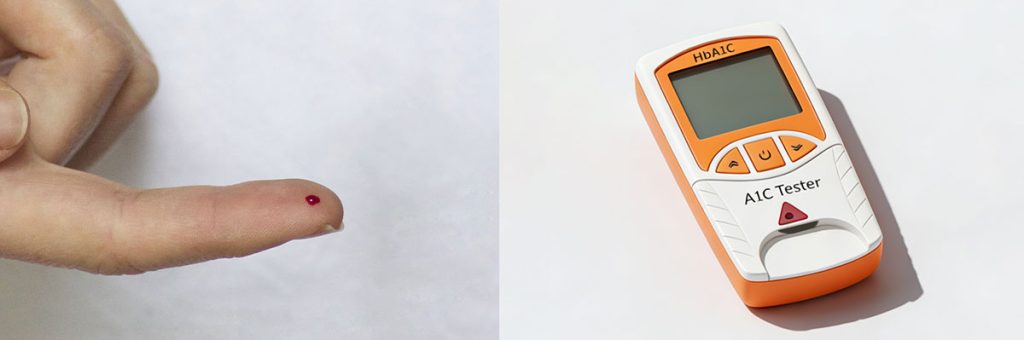
NGSP certification remains essential for anyone using or recommending A1C meters. Only NGSP-certified devices provide the reliability and traceability needed for safe diabetes management. Major diabetes organizations recommend routine HbA1c measurement with certified devices:
- Devices should measure HbA1c every 3 months until targets are met, then at least every 6 months.
- Devices must be NGSP-certified and traceable to the DCCT reference for results to guide therapy.
- Devices help set and monitor treatment goals for most individuals with diabetes.
Choosing certified devices protects patient safety and supports effective care.
FAQ
What Does NGSP Certification Mean for A1C Devices?
NGSP certification shows that devices meet strict accuracy standards. This certification links results to clinical trial references. Healthcare providers can trust the results from these devices when making important decisions about diabetes care.
How Often Should Devices Receive NGSP Certification?
Manufacturers must renew certification for devices every year. This process ensures that devices continue to meet accuracy and traceability requirements. Regular certification helps maintain reliable results for patients and healthcare providers.
Can Non-Certified Devices Still Measure A1C Accurately?
Non-certified devices may not provide results that match reference standards. These devices often show greater variability. Healthcare professionals prefer certified devices because they offer consistent and accurate A1C measurement.
Why Do Healthcare Providers Prefer NGSP-Certified Devices?
Providers choose NGSP-certified devices because they deliver reliable and traceable results. These devices help guide therapy decisions and support safe diabetes management. Certification gives confidence in the accuracy of A1C testing.
Are All A1C Devices in the Market NGSP-Certified?
Not all devices have NGSP certification. Patients and providers should check for certification before using any device. Certified devices ensure results align with clinical trial standards and support effective diabetes care.