




The target A1C for gestational diabetes usually falls below 6.0% to 6.5%. Achieving this level supports healthy outcomes for both mother and baby during pregnancy. A1C offers a measure of average blood sugar, but pregnancy can change how the body handles glucose. Careful diabetes management helps protect against complications for both mother and child. Regular A1C checks and daily monitoring remain key steps throughout pregnancy.
Key Takeaways
- Aim for an A1C below 6.0% to 6.5% during pregnancy to support healthy outcomes for both mother and baby.
- Monitor A1C levels regularly, especially in the first trimester, to reduce risks of complications like birth defects.
- Adjust A1C targets as pregnancy progresses, since physiological changes can affect blood sugar management.
- Use continuous glucose monitoring (CGM) for real-time data to improve glycemic control and reduce risks.
- Communicate consistently with healthcare providers to ensure safe management of A1C and blood glucose levels.
Target A1C by Trimester
First Trimester Goals
During the first trimester, the target A1C should stay as close to normal as safely possible. Many healthcare providers aim for an A1C below 6.0% to reduce the risk of birth defects and other pregnancy complications. The normal A1C range for this period falls between 4.0% and 5.5%. Elevated A1C levels in early pregnancy can double the risk of preeclampsia and other adverse outcomes. Early screening and intervention help manage glucose levels and prevent serious issues for both mother and baby.
Tip: Keeping A1C within the recommended range in the first trimester lowers the chance of complications and supports healthy fetal development.
The following table summarizes the median A1C and its clinical significance during the first trimester:
| Trimester | HbA1c Median (%) | Range (2.5th – 97.5th) | Clinical Significance |
|---|---|---|---|
| First Trimester | 4.7 | 4.0 – 5.5 | Higher risk of complications if levels are elevated |
Second and Third Trimester Targets
In the second trimester, A1C levels often decrease due to physiological changes. The target A1C remains below 6.0%, with an observed median around 4.5%. This lower range helps minimize the risk of large-for-gestational-age infants and preeclampsia. As pregnancy progresses into the third trimester, A1C levels may rise again, so careful monitoring becomes essential. The target A1C for the third trimester stays below 6.0% to 6.5%, with a median of 4.8% and a range from 4.1% to 5.7%. Elevated A1C during this period increases the risk of macrosomia and other complications.
| Trimester | HbA1c Median (%) | Range (2.5th – 97.5th) | Clinical Significance |
|---|---|---|---|
| Second Trimester | 4.5 | 3.9 – 5.3 | Optimal target <6% to reduce risks |
| Third Trimester | 4.8 | 4.1 – 5.7 | Increased risk of macrosomia and preeclampsia if A1C is elevated |
- A1C levels are recommended to be less than 6% to 6.5% throughout pregnancy.
- The range for normal A1C shifts slightly by trimester, so individualized targets may be necessary.
- Monitoring A1C more frequently helps adjust diabetes management as the body changes.
Balancing A1C and Hypoglycemia Risk
Achieving a lower target A1C reduces the risk of pregnancy complications, but aiming too low can increase the chance of hypoglycemia. Lower glycemic targets in gestational diabetes have been linked to a higher incidence of neonatal hypoglycemia. However, studies show no significant differences in other maternal or neonatal outcomes aside from this increased risk.
Note: Healthcare providers should set individualized A1C targets to balance the benefits of tight glucose control with the risk of hypoglycemia.
Continuous glucose monitoring, combined with pre- and post-meal blood glucose checks, supports safe diabetes management. Adjusting medication dosages based on insulin sensitivity, diet, and activity helps maintain A1C within the desired range. Education on recognizing and treating hypoglycemia remains vital for both mother and baby.
- The lowest rates of adverse outcomes occur when A1C stays below 6–6.5% early in pregnancy.
- Adjusting A1C targets is necessary due to changes in red blood cell kinetics and glucose metabolism.
- A balanced approach ensures optimal outcomes for both mother and child.
A1C Testing and Interpretation
How A1C Is Measured?
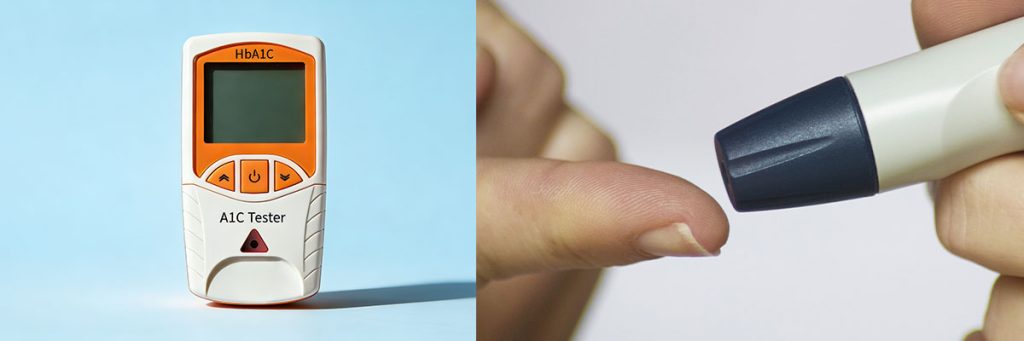
Clinicians use the A1C test to measure average blood sugar over the past two to three months. The A1C test works by analyzing the percentage of glucose attached to hemoglobin in red blood cells. An A1C tester, a laboratory device, provides this measurement. The A1C test does not require fasting, making it convenient for women during pregnancy. The A1C test helps track long-term glucose control and guides treatment adjustments.
The following table shows how the A1C test performs in clinical practice for women with gestational diabetes:
| Measure | Value | Sensitivity | Specificity |
|---|---|---|---|
| HbA1c cutoff ≥ 5.7% | AUC: 0.741 (95% CI 0.675–0.807) | 9–73% | 76–100% |
| Median HbA1c in GDM by OGTT | 5.6% (38 mmol/mol) | N/A | N/A |
| Median HbA1c in HbA1c ≥ 5.7% group | 5.8% (40 mmol/mol) | N/A | N/A |
Limitations of A1C in Pregnancy
The A1C test has several limitations during pregnancy. Physiological changes can shorten the lifespan of red blood cells, which affects the accuracy of the A1C test. The a1c test may underestimate or overestimate blood sugar levels. Some studies show inconsistent results, making interpretation of theA1C test more difficult. The A1C test is not recommended for diagnosing gestational diabetes, but it can help screen for pre-existing diabetes and monitor glucose control.

Note: The A1C test may provide false reassurance if used alone in mid- to late-gestation. Clinicians should use the A1C test with other monitoring methods for best results.
| Evidence Type | Description |
|---|---|
| Limitations of A1C | The A1C test may underestimate or overestimate glycemia in pregnancy. |
| Clinical Utility | The A1C test is not recommended for diagnosis but helps assess control. |
| Inconsistencies | Studies show mixed results on A1C test accuracy during pregnancy. |
Using an A1C Tester
An A1C tester provides a quick and reliable way to perform the A1C test. Healthcare providers use the A1C tester at the initial prenatal visit. They repeat the A1C test monthly until the target level is reached, then every two to three months. The A1C tester helps track trends in glucose control. However, the A1C test should not replace daily blood glucose checks, especially during pregnancy. The A1C tester supports, but does not replace, other monitoring tools.
- The A1C test is less reliable during pregnancy due to changes in red blood cell life-cycle.
- The A1C tester offers valuable information but should be used with caution.
- Frequent A1C test checks help adjust treatment and improve outcomes.
Tip: Women should discuss the timing and frequency of the A1C test with their healthcare provider to ensure safe management during pregnancy.
Blood Glucose Monitoring
Daily Checks and CGM
Monitoring blood glucose levels is essential for women managing gestational diabetes during pregnancy. Regular checks help identify patterns and guide adjustments in diet, exercise, and medication. Most healthcare providers recommend tracking blood sugar four times a day. Testing should occur one to two hours after meals to capture how food affects blood glucose levels. Some women may need to check one hour after eating, especially if their care plan requires closer monitoring.
- Track blood sugar four times a day.
- Test one to two hours after eating for accurate readings.
- Note any one-hour checks for context.
Daily monitoring offers several benefits. It helps assess how well the care plan works, allows for timely correction of high or low blood glucose levels, and informs when to contact a healthcare provider. This approach supports healthy A1C levels throughout pregnancy.
Continuous glucose monitoring (CGM) provides real-time data and can improve glycemic control. CGM devices alert users to fluctuations, allowing for quick treatment adjustments. Studies show that CGM leads to better maternal and neonatal outcomes, including fewer large-for-gestational-age infants and reduced hospitalizations.
| Evidence Type | Findings |
|---|---|
| Continuous Glucose Monitoring (CGM) | Real-time data, improved glycemic control, fewer risks for mother/baby |
| Traditional Self-Monitoring (SMBG) | May miss fluctuations, less proactive management |
| Overall Outcomes | CGM linked to better outcomes, fewer complications |
CGM also reduces maternal weight gain and provides insights into glycemic variability, which is important for maintaining optimal A1C during pregnancy.
When to Call Your Provider?
Women should contact their healthcare provider if they notice symptoms such as increased thirst, frequent urination, fatigue, blurred vision, nausea, or frequent infections like yeast infections. These signs may indicate changes in blood glucose levels or complications related to pregnancy.
| Symptom | Description |
|---|---|
| Increased thirst | May signal gestational diabetes |
| Frequent urination | Often occurs with increased thirst |
| Fatigue | Can be linked to blood sugar changes |
| Blurred vision | Sometimes seen in gestational diabetes |
| Nausea | May be associated with the condition |
| Frequent infections | Such as yeast infections |
Immediate medical attention is necessary for complications like pre-eclampsia, preterm labor, fetal distress, or signs of large-for-gestational-age infants. These issues can affect both mother and baby, so prompt action ensures the best possible outcomes. Monitoring A1C and blood glucose levels closely during pregnancy helps prevent these complications and supports a healthy delivery.
Tip: Consistent communication with a healthcare provider helps maintain safe A1C and blood glucose levels throughout pregnancy.
Conclusion
Maintaining target A1C during pregnancy protects both mother and baby.
- Third trimester A1C above 5.4% increases the risk of large-for-gestational-age infants, so regular checks remain essential throughout pregnancy.
- Consistent A1C and blood glucose monitoring improves outcomes and helps guide diabetes management.
| Benefit Type | Description |
|---|---|
| Emotional Support | Support during pregnancy reduces anxiety and builds confidence in diabetes management. |
Collaboration with healthcare providers ensures safe pregnancy and lifelong health. Every woman deserves support and encouragement on her pregnancy journey.
FAQ
What Is the Difference Between A1C and Daily Blood Glucose Checks?
A1C measures average blood sugar over two to three months. Daily blood glucose checks show current levels. Both help guide diabetes management during pregnancy.
How Often Should They Check A1C During Pregnancy?
Healthcare providers usually check A1C at the first prenatal visit. They may repeat the test every one to three months, depending on individual needs.
Can Gestational Diabetes Go Away After Delivery?
Gestational diabetes often resolves after childbirth. However, women who had it have a higher risk of developing type 2 diabetes later.
Is It Safe to Use Continuous Glucose Monitoring (CGM) in Pregnancy?
CGM is safe for most pregnant women. It provides real-time data and helps improve blood sugar control. Providers may recommend it for better outcomes.
What Foods Help Maintain Target A1C?
Whole grains, lean proteins, vegetables, and healthy fats support stable blood sugar. Limiting sugary foods and refined carbs helps maintain target A1C.