
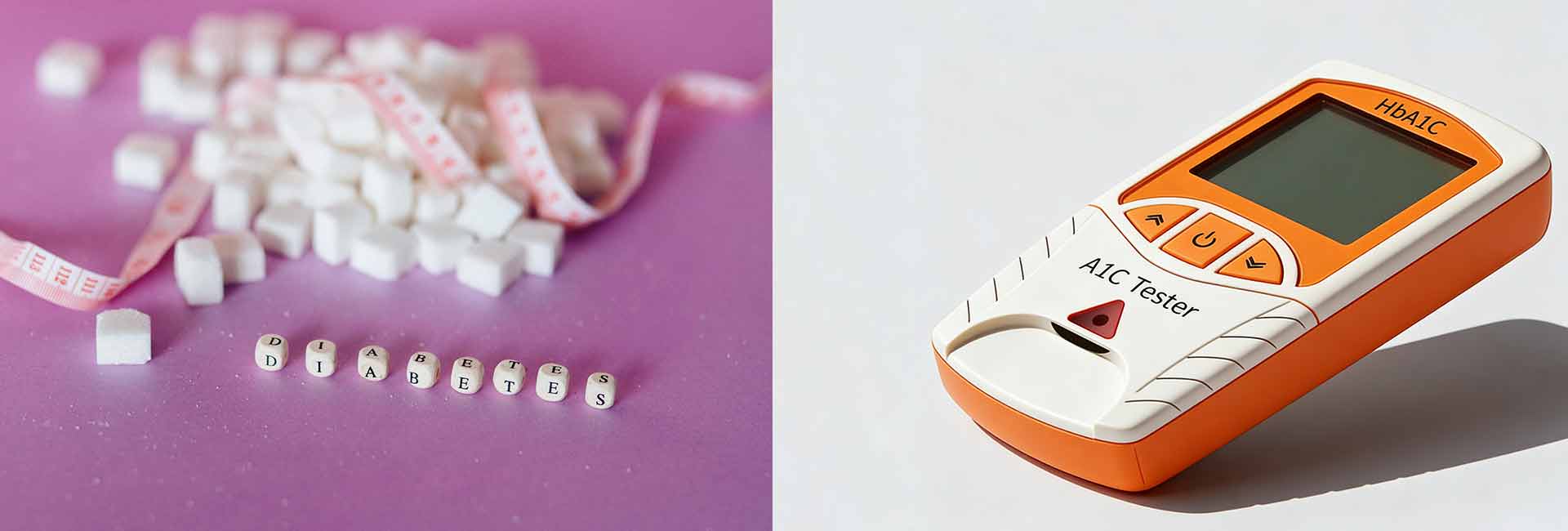
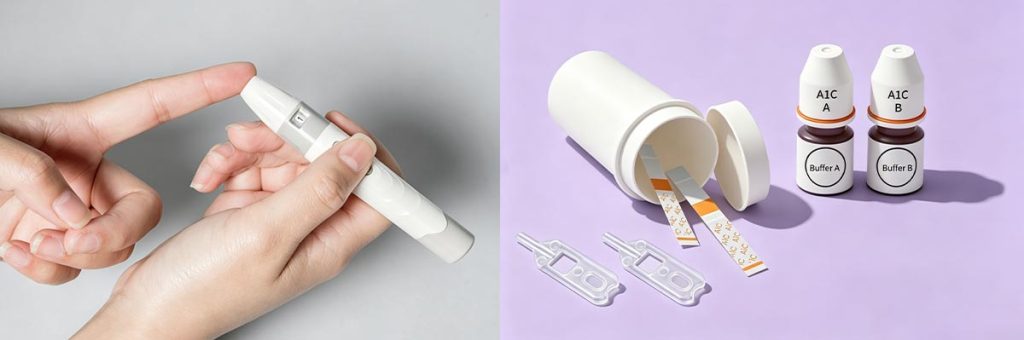


Home A1C test kits offer a practical way to monitor blood sugar levels, though they usually show less accuracy than laboratory tests. Results from FDA-approved kits can fall within 0.5% of lab results with proper use. Studies show that over 93% of users receive results within 13.5% of lab values. Accuracy often depends on user technique and individual health conditions. These kits can help many people, but some situations require confirmation from a healthcare provider.
Key Takeaways
- Home A1C test kits provide a convenient way to monitor blood sugar levels, but they may not be as accurate as lab tests.
- Proper technique is crucial for accurate results; follow instructions carefully to avoid common errors like insufficient blood samples.
- Regular use of home A1C kits can empower individuals to manage their diabetes effectively and track their progress over time.
- Consult a healthcare provider if results seem unusual or if you have health conditions that may affect accuracy.
- Combining home testing with professional lab tests offers the best approach for effective diabetes management.
What Are Home A1C Test Kits?
Purpose of Home A1C Test Kits
Home A1C test kits help individuals monitor their long-term blood sugar control without visiting a clinic. People with diabetes often use these kits to track their average blood glucose over the past two to three months. An A1C tester allows users to check their progress between doctor visits and make informed decisions about their daily management. Home A1C test kits support early detection of changes in blood sugar trends, which can help prevent complications. Many people choose home A1C test kits for their convenience and privacy.
How Home A1C Test Kits Work?
Home A1C test kits measure the percentage of hemoglobin in the blood that has glucose attached. The process usually involves a simple finger prick to collect a small blood sample. Users then apply the sample to a test strip or cartridge, depending on the kit type. There are two main types of home A1C test kits:
| Type of Test Kit | Description |
|---|---|
| Point-of-Care Devices | Provide immediate results within minutes using a simple finger prick for blood collection. |
| Mail-in Laboratory Services | Require sending the blood sample to certified facilities for analysis, with results returned in days. |
Some mail-in tests cost between $30 and $90, and subscription options are available for regular monitoring. Recent advancements in home a1c kits include faster result times, reduced blood sample requirements, and improved precision through factory calibration.
Why A1C Test Accuracy Matters?
A1C test accuracy plays a vital role in diabetes management. Reliable results from home A1C test kits help users and healthcare providers evaluate disease control and adjust treatment plans. Inaccurate readings can lead to poor decisions about medication or lifestyle changes. Several factors, such as genetics, medical conditions, and errors in test processing, can affect the accuracy of at-home A1C tests. Regulatory agencies require home A1C test kits to meet strict standards for precision and minimal interference. Consistent and accurate results from home A1C test kits support effective long-term care and help reduce the risk of diabetes complications.
Factors Affecting Home A1C Test Accuracy
User Technique and Instructions
User technique plays a critical role in the accuracy of A1C results at home. Many people experience errors during sample collection, which can lead to unreliable readings. The most common mistakes include collecting an insufficient blood sample, contaminating the sample, or using improper collection techniques. Each of these errors can compromise the reliability of the A1C test.
| Common User Errors | Description |
|---|---|
| Insufficient blood samples | Not collecting enough blood can lead to inaccurate results. |
| Contamination during collection | Any contamination can compromise the test’s reliability. |
| Improper sample collection | Incorrect techniques can affect the accuracy of results. |
Manufacturers recognize that improper sample collection and handling can significantly affect the accuracy of at-home A1C tests. Dr. Chavez-Velasquez notes that these factors often cause the greatest variation in results. People who follow instructions carefully and use proper technique tend to receive more reliable A1C readings.
Kit Quality and Expiration
The quality and expiration date of A1C test kits also influence accuracy. Kits that have expired or have been stored incorrectly may not provide trustworthy results. Improper storage and handling of blood samples can lead to falsely low A1C levels due to hemolysis. For example, samples transported off-site after collection often show a1c levels about 0.2% lower than those measured immediately on-site. Hemolysis, which occurs more in older red blood cells with higher A1C, can result in lower measured values and may underestimate diabetes prevalence.
Using expired test strips can lead to inaccurate glucose readings. For example, if the enzymes in the strip have degraded, your glucose meter may show a lower or higher blood sugar level than what it actually is. This could lead you to make dangerous health decisions, such as taking too much or too little insulin.
Manufacturers address these potential inaccuracies by setting confidence limits for their products. Most home a1c kits report results within 13.5% of lab values, and manufacturers acknowledge a possible difference of 0.8% to 1.0% from laboratory results. Proper storage and using kits before their expiration date help ensure more accurate A1C readings.
Health Conditions Impacting Results
Certain health conditions can alter A1C test outcomes, making results less reliable for some individuals. Conditions such as anemia and chronic kidney disease (CKD) have a significant impact on A1C levels. Anemia often leads to lower A1C readings, while the effect of CKD varies depending on the stage of the disease. Non-anemic CKD patients may not see a significant change in a1c, but those with both anemia and advanced CKD face increased risks.
| Health Condition | A1C Level Impact | Mortality Risk |
|---|---|---|
| Anemia | Low HbA1c levels | Increased mortality in stages 3-5 CKD |
| Chronic Kidney Disease | Varies by stage | Lowest in stages 1-2, highest in 3-5 |
| Non-anemic CKD patients | Low HbA1c inconsequential after adjustments | Not related to cardiovascular mortality in any anemia status or CKD staging |
People with liver disease, recent blood loss, or certain genetic hemoglobin variants may also receive inaccurate A1C results. These conditions affect how glucose attaches to hemoglobin or how long red blood cells survive in the body. For individuals with these health issues, healthcare providers often recommend alternative methods for monitoring blood sugar.
Pros and Cons of Home A1C Kits
Advantages for Diabetes Management
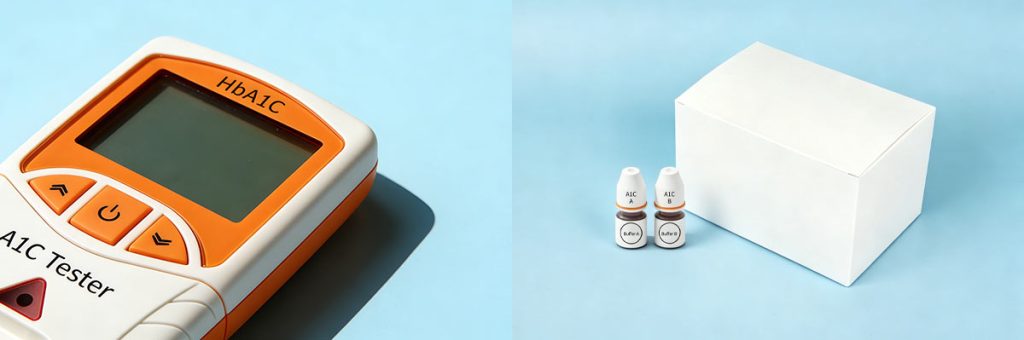
Home A1C test kits offer several benefits for people managing diabetes. These kits allow individuals to check their A1C levels without scheduling a clinic visit. Many people find this process less stressful and more private. Home testing encourages regular monitoring, which can lead to better long-term control. The following table highlights the main advantages:
| Advantage | Description |
|---|---|
| Convenience | Tests can be conducted on a personal schedule, which helps those with mobility issues or living far from clinics. |
| Cost-effectiveness | Home testing often costs less than clinic visits, especially when considering travel and time off work. |
| Privacy | Testing at home reduces anxiety and supports consistent monitoring. |
| Immediate results | Quick results allow for timely discussions with healthcare providers about treatment changes. |
Home A1C kits also empower users to take charge of their health. They can track their glycemic control, make timely adjustments, and feel more involved in their diabetes management.
Limitations and Risks
Despite their benefits, home A1C test kits have some limitations and risks. Users may experience slight differences in results compared to laboratory testing. Proper sample collection is necessary for accurate readings. The table below outlines the main concerns:
| Limitation/Risk | Description |
|---|---|
| Potential inaccuracies | Results may vary from laboratory values. |
| Sample collection techniques | Accurate results depend on correct sample collection. |
| Not a replacement for professional care | Home tests cannot substitute for regular medical consultations and comprehensive diabetes care. |
Some users may find that home A1C test kits are not covered by insurance, which increases out-of-pocket costs. Improper handling or expired kits can also affect accuracy.
Convenience vs. Immediate Feedback
Home A1C test kits provide unmatched convenience. People can test at any time, which fits busy schedules and reduces the need for travel. The process is simple, requiring only a small blood sample. Results are available in minutes, which supports quick decision-making. This immediate feedback helps users adjust their routines and communicate with healthcare providers more effectively. However, while convenience is a major advantage, users should remember that home a1c tests do not replace professional medical advice or regular lab testing.
Trusting Home A1C Test Results
When to Rely on Home A1C Test?
Individuals can rely on a home A1C test when monitoring ongoing diabetes management or tracking trends between clinic visits. Home testing offers immediate feedback, which helps users celebrate progress or identify areas needing improvement. Most adults with diabetes aim for an A1C below 7%. The following table shows recommended guidelines for interpreting A1C results:
| Classification | A1C Range |
|---|---|
| Normal | Below 5.7% |
| Prediabetes | 5.7% to less than 6.5% |
| Diabetes | 6.5% or higher |
A1C levels may vary based on individual factors. Home a1c test kits provide additional insights but should not replace professional care. Users should ensure their kit is FDA approved and follow proper technique, such as washing hands, using fresh lancets, and collecting adequate blood samples.
When to Seek Professional Testing?
Professional laboratory A1C testing remains essential for diagnosing diabetes and confirming home results. Home A1C tests complement professional testing but do not offer the comprehensive view needed for effective diabetes management. Individuals should seek professional testing if they notice unexpected A1C results, experience symptoms of diabetes, or have health conditions that may cause false results. Discussing A1C results with a healthcare provider is crucial, as many factors can affect interpretation.
Tip: Maintain detailed records of A1C test results from home and share them with your doctor during appointments.
Combining Home and Lab A1C Tests
Combining home A1C test kits with laboratory tests improves diabetes management outcomes. This approach allows users to monitor trends and receive immediate feedback while benefiting from professional guidance. The integration of smart blood glucose monitoring devices and digital health interventions leads to significant improvements in a1c levels for people with type 2 diabetes. This method addresses behavioral and knowledge gaps that often hinder progress. Home kits help track trends, but laboratory A1C testing provides the accuracy needed for treatment decisions. Where can I get an A1C test? Most pharmacies, clinics, and online retailers offer both home and lab options. Keeping records of A1C results supports better communication with healthcare providers and enhances long-term diabetes management.
Conclusion
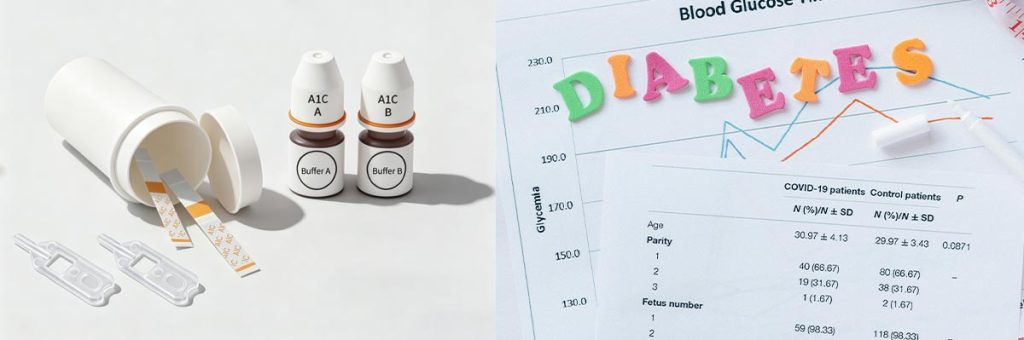
Home A1C test kits provide a convenient way for individuals to monitor blood sugar levels. They offer useful insights for diabetes management, though laboratory tests remain more accurate. Many people misunderstand A1C results. Common misconceptions include:
- A1C tests do not show daily glucose changes.
- Laboratory methods can produce faulty results.
- Medical conditions like anemia or pregnancy may affect readings.
Individuals should use home kits for routine monitoring. They should consult healthcare providers when results seem unusual or health conditions exist. Balancing convenience and reliability supports effective diabetes care.
FAQ
How Often Should Someone Use a Home A1C Test Kit?
Most people with diabetes use a home A1C test kit every three to six months. Regular testing helps track long-term blood sugar control. A healthcare provider can recommend the best schedule based on individual needs.
Are Home A1C Test Kits Safe to Use?
Home A1C test kits are safe when users follow instructions. The kits use a small finger prick to collect blood. Users should always wash hands and use clean equipment to prevent infection.
Can Home A1C Kits Diagnose Diabetes?
Home A1C kits cannot diagnose diabetes. Only a healthcare provider can make a diagnosis using laboratory tests. Home kits help monitor blood sugar trends after diagnosis.
What Should Someone Do If Home A1C Results Seem Unusual?
If results seem unusual, they should repeat the test or contact a healthcare provider. Unusual results may signal user error, expired kits, or health changes.
Do Insurance Plans Cover Home A1C Test Kits?
Some insurance plans cover home A1C test kits, but coverage varies. People should check with their insurance provider for details. Many pharmacies and online retailers sell kits without a prescription.