


Anemia can change hemoglobin A1C test results, leading to higher readings even in people without diabetes. Iron deficiency anemia, in particular, often raises A1C levels. Studies show non-diabetic patients with iron deficiency anemia have mean A1C levels of 6.84%, much higher than the 5.12% seen in healthy controls. The severity and type of anemia matter. Mild anemia might not cause much change, but severe cases do. Understanding these effects helps people with diabetes manage their health more accurately.
Key Takeaways
- Anemia, especially iron deficiency anemia, can lead to falsely high hemoglobin A1C test results, complicating diabetes management.
- Regular monitoring of hemoglobin levels alongside A1C tests helps ensure accurate blood sugar control assessments.
- Open communication with healthcare providers about anemia history is crucial for interpreting A1C results correctly.
- Alternative tests like fructosamine and glycated albumin can provide clearer insights into blood sugar levels for patients with anemia.
- Treating anemia often improves the reliability of A1C test results, leading to better diabetes management.
How Anemia Affects Hemoglobin A1C Test Results?
Red Blood Cells and A1C
Red blood cells play a central role in hemoglobin A1C test results. The test measures the percentage of hemoglobin that has glucose attached to it. This process, called glycation, happens over the lifespan of a red blood cell, which usually lasts about 120 days. In anemia, especially iron deficiency anemia, the lifespan of red blood cells can change. Older red blood cells stay in the bloodstream longer and have more time to interact with glucose. This leads to higher glycation and can cause hemoglobin A1C test results to appear falsely elevated.
Iron deficiency also increases oxidative stress in the body. Markers like malondialdehyde (MDA) rise in patients with iron deficiency anemia. MDA can speed up the glycation process, which further increases hemoglobin A1C test results. When doctors treat iron deficiency, the number of new red blood cells rises, and the test results become more accurate.
Note: The accuracy of hemoglobin A1C test results depends on the normal turnover of red blood cells. Any condition that changes this turnover can affect the test.
Iron Deficiency Anemia Impact
Iron deficiency anemia is the most common type of anemia that affects hemoglobin A1C test results. Research shows that people with iron deficiency anemia often have higher A1C levels than healthy individuals. The following table summarizes findings from several studies:
| Study | Population | HbA1c Levels in IDA Group | HbA1c Levels in Control Group | p-value |
|---|---|---|---|---|
| Solomon et al. | Diabetic | 6.18 ± 1.57 | 7.74 ± 1.81 | < 0.05 |
| Lyons et al. | Non-diabetic | 5.6% | 5.2% | OR: 1.43, p<0.01 |
| Aydin et al. | Diabetic | 6.69 ± 0.53 (post-iron) | 7.09 ± 0.51 (pre-iron) | p < 0.001 |
| Other studies | Non-diabetic | 4.69 ± 0.38 (post-iron) | 5.01 ± 0.39 (pre-iron) | N/A |
These studies show that hemoglobin A1C test results can change after treating iron deficiency anemia. For example, Aydin et al. found that mean A1C levels dropped in diabetic patients after iron therapy. This suggests that correcting iron deficiency can lead to more accurate test results. However, some studies report lower baseline A1C levels in people with iron deficiency anemia, which then increase after iron supplementation. This complexity means that other factors, such as nutrition and unknown variables, may also play a role.
The following table shows how different types of anemia affect hemoglobin A1C test results and how treatment can change these values:
| Type of Anemia | Mean HbA1c (%) | Comparison to Control Group | Effect of Treatment on HbA1c (%) |
|---|---|---|---|
| Iron Deficiency Anemia | 5.75 | Higher than 5.32 | Decreased to 5.44 after treatment |
| Sickle Cell Anemia | Statistically significant increase | Higher than control group | N/A |
| β-thalassemia Trait | N/A | N/A | N/A |
| Megaloblastic Anemia | N/A | N/A | N/A |
Treatment for iron deficiency anemia often lowers hemoglobin A1C test results. A 2014 study with 120 diabetic patients found a positive link between iron deficiency and higher A1C levels. This means that untreated iron deficiency anemia can make diabetes management more difficult.
Other Anemia Types
Not all types of anemia affect hemoglobin A1C test results in the same way. Hemolytic anemia and sickle cell anemia can both cause inaccurate readings. These conditions shorten the lifespan of red blood cells or introduce abnormal hemoglobin variants. As a result, hemoglobin A1C test results may be falsely low or high. For example, sickle cell anemia can interfere with the test method, leading to misinterpretation of blood sugar control.
Recent research highlights the need for caution when using hemoglobin A1C test results in patients with anemia. The following table summarizes findings from recent studies:
| Study | Findings |
|---|---|
| Effect of Iron Deficiency Anemia on Hemoglobin A1c Levels | HbA1c levels may be falsely elevated in patients with IDA due to decreased erythropoiesis. Treatment of IDA can lead to an increase in HbA1c levels. |
| The effect of different types of anemia on HbA1c levels in non-diabetics | IDA patients showed a significant increase in HbA1c levels compared to controls, with treatment lowering HbA1c levels. |
| The Effect of Anemia and the Goal of Optimal HbA1c Control | HbA1c levels are spuriously high in IDA; caution is advised when monitoring diabetic patients using only HbA1c levels. |
Patient age and gender can also influence hemoglobin A1C test results in anemia. Older adults tend to have more severe anemia and higher A1C levels. In males, there is a stronger negative correlation between hemoglobin and A1C levels than in females. This means that as hemoglobin drops, A1C may rise more sharply in men.
Tip: People with anemia should inform their healthcare provider before relying on hemoglobin A1C test results for diabetes management. Alternative tests may be needed for accurate monitoring.
Diabetes Management Risks
Inaccurate A1C Readings
Anemia can make it difficult to interpret hemoglobin A1C test results accurately. When anemia changes the lifespan or quality of red blood cells, the test may not reflect true blood sugar control. For example, iron deficiency anemia often causes falsely high A1C readings, while hemolytic anemia can lead to lower values. These inaccuracies can mislead both patients and healthcare providers.
The following table summarizes how different conditions affect A1C readings and the possible consequences for diabetes management:
| Condition | Effect on A1C | Implications for Diabetes Management |
|---|---|---|
| Anemia | Lower A1C | Risk of over-treatment |
| Metabolic Acidosis | Higher A1C | Risk of under-treatment |
| Hemoglobinopathy | Falsely high A1C | Potential misdiagnosis and aggressive treatment, hypoglycemia |
Relying only on hemoglobin A1C test results in patients with anemia can lead to misleading interpretations of glycemic control. Sometimes, A1C levels may appear elevated even when blood glucose levels remain normal. This misinterpretation can result in unnecessary changes to diabetes medications or lifestyle plans.
Note: Health care professionals should remain cautious when A1C results do not match other diabetes tests or seem very different from previous results.
Adjusting Care Plans
When hemoglobin A1C test results do not reflect actual blood sugar levels, diabetes care plans may need adjustment. Clinicians may increase medication doses or recommend stricter diets based on inaccurate A1C readings. This approach can cause blood sugar to drop too low, especially if the patient does not actually have poor glycemic control.
Some clinical risks associated with relying on A1C results in patients with anemia include:
- Misleading interpretations of glycemic control, as anemia may falsely elevate A1C levels despite normal blood glucose.
- A negative correlation between blood glucose and A1C in patients with anemia, which can confuse clinicians.
- False positive and negative results from laboratory tests, making diabetes monitoring more complicated.
Long-term, these errors can increase the risk of diabetes complications. Inadequate treatment adjustments due to misinterpreted A1C may lead to poor blood sugar control and higher chances of nerve, kidney, or eye problems.
Tip: Alternative tests, such as fructosamine or glycated albumin, may provide more reliable information for patients with anemia.
Talking to Your Provider
Open communication with healthcare providers is essential for anyone with both anemia and diabetes. Patients should inform their doctors about any history of anemia or unusual blood test results. Providers can then consider these factors when interpreting hemoglobin A1C test results.
Guidelines for healthcare providers include:
- Recognizing that abnormal hemoglobin can lead to inaccurate A1C results, either underestimating or overestimating blood sugar levels.
- Using alternative methods for assessing glycemic control, such as self-monitoring of blood glucose, fructosamine testing, or continuous glucose monitoring.
- Understanding that conditions like hemolytic anemia can lower A1C, while kidney disease can falsely elevate it.
- Considering different hemoglobinopathies, which can affect A1C levels due to variations in glycation rates and red blood cell lifespan.
- Documenting the use of alternative tests to avoid confusion in diabetes management.
Patients who discuss their anemia status and ask about alternative testing options can help ensure safer and more effective diabetes care.
Anemia and Diabetes: Next Steps
Reliable A1C Testing
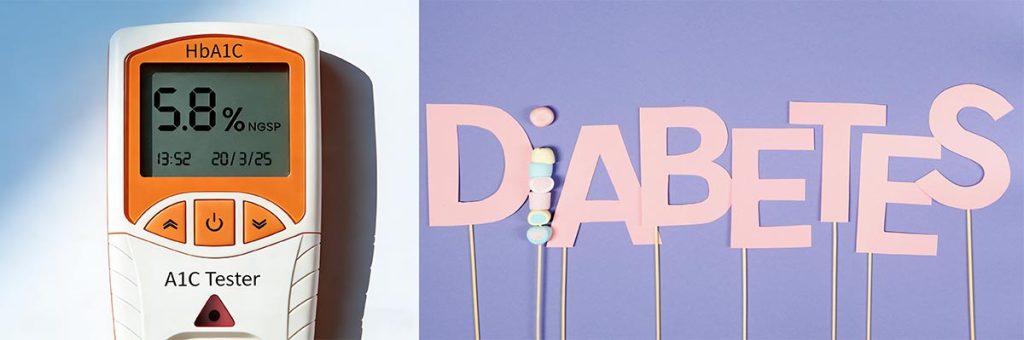
Patients with both anemia and diabetes need to take extra steps to ensure reliable hemoglobin A1C test results. Regular monitoring of hemoglobin levels helps track changes in anemia status. When using an A1C tester, patients should remember that certain types of anemia, such as iron deficiency anemia, can cause higher readings. Treatment for anemia, including iron supplementation or erythropoiesis-stimulating agents, can improve the accuracy of these results. Health care teams often recommend checking hemoglobin levels before interpreting A1C values.
Tip: Monitoring hemoglobin levels alongside A1C helps prevent misinterpretation of blood sugar control.
Discussing Results
Open communication with healthcare providers remains essential. Patients should inform their doctors about any conditions that might affect hemoglobin A1C test results, including anemia or hemoglobinopathies. Providers can explain the relationship between A1C and average glucose, and may use estimated average glucose (eAG) to help patients understand their results. Diabetes educators, pharmacists, or nurses can also support patient education and answer questions about test results.
- Patients should:
- Share any history of anemia or unusual blood test results.
- Ask if alternative tests are needed.
- Request that providers document any changes in testing methods.
Alternative Tests
When anemia affects the reliability of A1C tester, alternative tests can provide a clearer picture of blood sugar control. The American Diabetes Association recommends using fructosamine or glycated albumin in these cases. These tests reflect average glucose over the past 2-3 weeks and are less affected by red blood cell changes.
| Alternative Biomarker | Description |
|---|---|
| Fructosamine | Measures average glucose over 2-3 weeks; useful when A1C is unreliable. |
| Glycated Albumin | Indicates average glucose over 2-3 weeks; suitable for hemoglobinopathies. |
While these tests offer advantages, such as strong correlation with A1C, they may be influenced by protein metabolism disorders. Providers should consider these factors when choosing the best test for each patient.
Note: Combining alternative tests with regular blood glucose monitoring ensures the most accurate diabetes management for patients with anemia.
Conclusion
Anemia, especially iron deficiency, can change hemoglobin A1C test results and make diabetes management more challenging. People who know their anemia type and severity can work with their healthcare team for better outcomes. Open conversations with providers help ensure accurate monitoring. Individualized treatment plans and flexible options like teleconsultations show that effective diabetes care remains possible, even for those managing both anemia and diabetes.
FAQ
Can Iron Deficiency Anemia Cause A1C to Be Falsely High?
Iron deficiency anemia often raises A1C levels. The test may show higher values even when blood sugar stays normal. Treatment for anemia usually lowers A1C readings.
What Types of Anemia Affect A1C Accuracy?
Different types of anemia change A1C results. Hemolytic anemia and sickle cell anemia can cause falsely low or high readings. Iron deficiency anemia usually raises A1C.
Tip: Always tell your provider about any anemia diagnosis.
Should People with Anemia Use Alternative Diabetes Tests?
People with anemia may benefit from alternative tests. Fructosamine and glycated albumin measure average glucose over a shorter period. These tests avoid errors caused by abnormal red blood cells.
| Test Name | Time Frame | Useful For Anemia? |
|---|---|---|
| Fructosamine | 2-3 weeks | Yes |
| Glycated Albumin | 2-3 weeks | Yes |
How Can Patients Ensure Accurate Diabetes Monitoring with Anemia?
Patients should monitor hemoglobin levels regularly. They need to discuss test results with their healthcare team. Providers may recommend alternative tests or frequent blood glucose checks.
Does Treating Anemia Improve A1C Test Reliability?
Treating anemia often improves A1C reliability. Iron therapy or other treatments restore normal red blood cell turnover. After treatment, A1C results usually reflect true blood sugar control.