
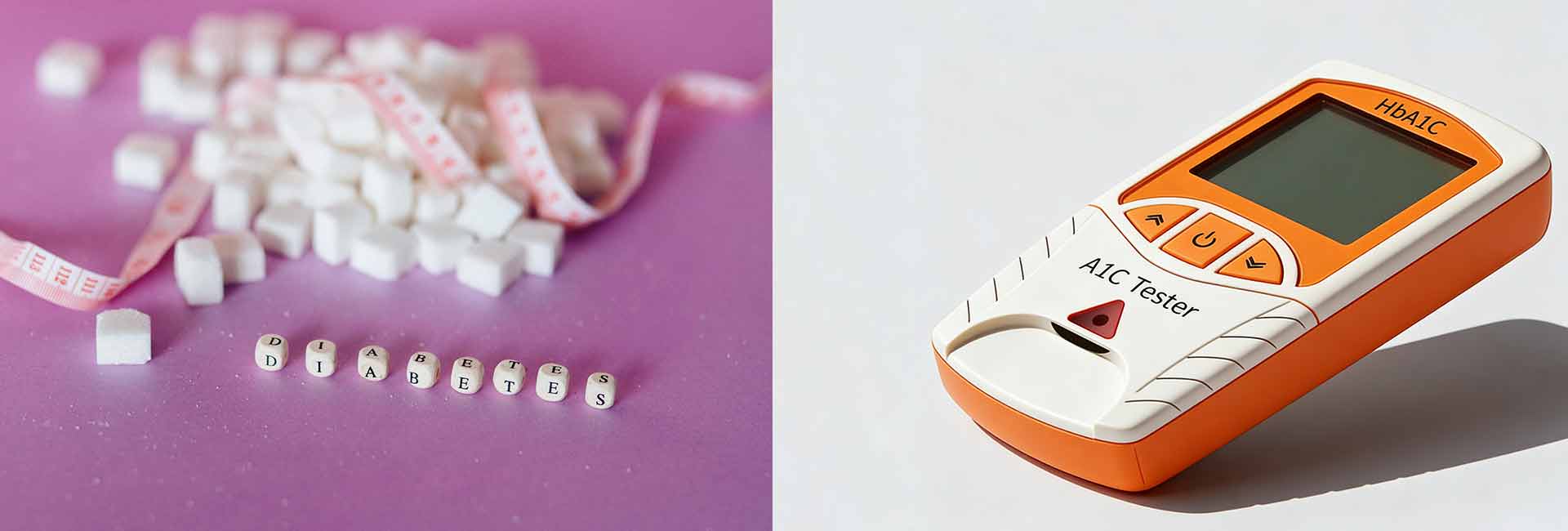



An A1C result of 6.5% signals that average blood sugar levels have reached a point where doctors often diagnose diabetes. Many people feel concerned about symptoms such as blurry vision or fatigue after seeing this number. Some believe A1C tests only matter for those already diagnosed, but these tests also help assess risk and monitor control. Understanding what an A1C means guides the next steps for health. Readers can find clear advice and explanations below.
| Symptoms |
|---|
| Blurry vision |
| Fatigue |
Key Takeaways
- An A1C result of 6.5% indicates a diabetes diagnosis, signaling the need for medical attention and management.
- Lifestyle changes, such as healthy eating and regular exercise, can significantly lower A1C levels and improve blood sugar control.
- Regular A1C testing is crucial for monitoring diabetes and adjusting treatment plans to prevent complications.
- Understanding A1C thresholds helps individuals recognize their risk levels and take proactive steps for their health.
- Home A1C testers can track trends but should not replace professional lab tests for accurate diagnosis.
A1C Result and Diabetes Diagnosis
6.5% A1C Result Explained
A 6.5% A1C result carries significant clinical meaning. The American Diabetes Association defines an A1C result of 6.5% or higher as consistent with diabetes. This value signals that average blood sugar levels have reached a range where the risk of complications increases. The A1C blood test measures the percentage of sugar attached to hemoglobin in red blood cells. When this percentage reaches 6.5% or above, doctors consider it a clear marker for diabetes diagnosis. This threshold helps healthcare providers identify individuals who need immediate attention and management.
Diabetes vs. Prediabetes Thresholds
The difference between diabetes and prediabetes depends on the A1C value. The following table shows the diagnostic thresholds:
| A1C Level | Diagnosis |
|---|---|
| < 5.7% | Normal |
| 5.7% – 6.4% | Prediabetes |
| ≥ 6.5% | Diabetes |
Prediabetes occurs when the A1C falls between 5.7% and less than 6.5%. People in this range have higher-than-normal blood sugar but do not meet the criteria for diabetes. A result of 6.5% or higher is consistent with diabetes and requires medical follow-up. The hemoglobin A1C test provides a reliable way to distinguish between these conditions.
Why 6.5% Matters?
The 6.5% threshold is not arbitrary. Scientists set this value because the risk of diabetic retinopathy, a serious eye complication, rises above baseline at this point.
| HbA1c Level | Incidence of Diabetic Retinopathy |
|---|---|
| 6.5% | Rises above baseline |
This increase in risk justifies using 6.5% as the cutoff for diabetes diagnosis. However, genetics and ethnicity can influence A1C results. For example:
- People of color often have higher average A1C values than white individuals.
- Genetic factors, such as hemoglobin variants, can affect A1C test results without increasing diabetes risk.
- A1C values reflect more than just average glucose levels; they also depend on red blood cell survival and sugar attachment.
Healthcare providers consider these factors when interpreting an A1C result. The 6.5% threshold remains a critical marker for identifying diabetes, but individual differences may affect test outcomes. Understanding these nuances helps patients and doctors make informed decisions about care and monitoring.
Understanding the A1C Test
What the A1C Test Measures?
The A1C test provides a snapshot of blood sugar control over time. Doctors use this test to measure the percentage of hemoglobin in red blood cells coated with glucose. The A1C tester analyzes a blood sample and calculates the average blood sugar levels from the past two to three months. The following table summarizes what the A1C test measures:
| Source | What the A1C Test Measures |
|---|---|
| NIDDK | Hemoglobin with attached glucose, reflecting average blood glucose over the past 3 months |
| MedlinePlus | Percentage of red blood cells with glucose-coated hemoglobin |
| Yale Medicine | Percentage of red blood cells with glucose attached to hemoglobin |
| Orange Biomedical | Percentage of hemoglobin coated with sugar, showing average blood sugar over 2-3 months |
How the A1C Tester Works?
The A1C tester uses a small blood sample to determine the percentage of glycated hemoglobin. Sugar attaches to hemoglobin in the bloodstream, forming glycated cells. Individuals with higher blood sugar have more glycated hemoglobin. Red blood cells live for about three months, so the A1C tester captures a mix of cells from different ages. This process gives a reliable average of blood sugar control.
- The A1C tester measures glycated hemoglobin in the blood.
- Sugar attaches to hemoglobin, leading to more glycated cells in people with high blood sugar.
- The test reflects blood sugar management over two to three months.
Importance of A1C in Diabetes Management
A1C testing plays a key role in diabetes management. The A1C test offers a comprehensive view of blood sugar control, unlike daily glucose checks that show only single moments.
- The A1C test reflects average blood sugar levels over several months.
- It helps doctors and patients understand long-term blood sugar management.
- Higher A1C percentages indicate poor blood sugar control.
- The A1C tester helps track trends and guides treatment decisions.
Doctors rely on A1C testing to diagnose diabetes and monitor progress. The test reveals patterns that daily readings cannot. However, A1C measurements may be less accurate for certain populations, such as people of African, Mediterranean, or Southeast Asian descent, and older adults. Biological factors can influence A1C results, so doctors consider these limitations when interpreting the numbers.
A1C Test Results and Ranges
Normal, Prediabetes and Diabetes Ranges
Doctors use the A1C blood test to sort blood sugar control into three main categories. Each range points to a different level of risk for diabetes and related health problems. The table below shows the established A1C ranges according to major health organizations:
| Condition | A1C Range |
|---|---|
| Normal | Below 5.7% |
| Prediabetes | 5.7% to 6.4% |
| Diabetes | Above 6.5% |
People with normal A1C levels have healthy blood sugar. Those with prediabetes show higher levels but do not meet the diagnosis for diabetes. An A1C result above 6.5% is consistent with diabetes and signals a need for medical attention.
Interpreting Your A1C Test Results
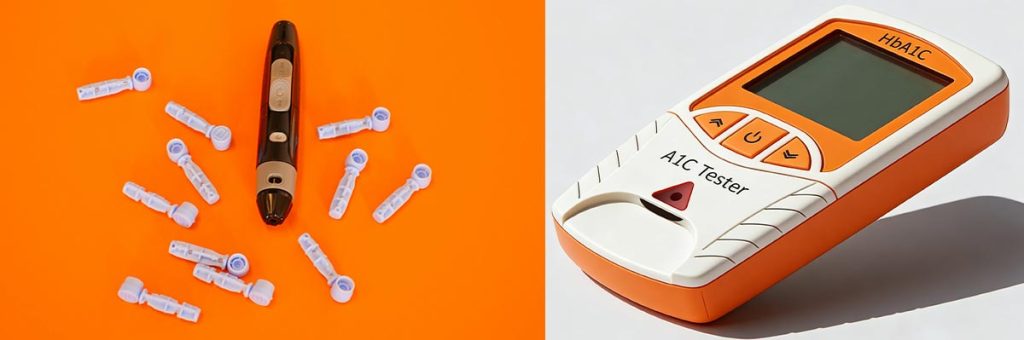
A1C test results give important clues about long-term blood sugar control. The table below explains what each range means for health:
| A1C Level | Interpretation | Health Implications |
|---|---|---|
| Less than 5.7% | No diabetes | Normal blood sugar levels |
| 5.7% to 6.4% | Prediabetes | Increased risk of developing Type 2 diabetes |
| 6.5% or higher | Type 2 or Type 1 diabetes | Higher risk of diabetes-related complications |
| Under 7.0% (target) | Goal for many adults with diabetes | Reduces risk of complications over time |
A1C levels link to the risk of heart disease, nerve damage, kidney disease, vision problems, and poor wound healing. Lowering A1C by even a small amount can reduce these risks.
Where 6.5% Fits?
A 6.5% A1C result marks the starting point for a diabetes diagnosis. This value means the average blood sugar has reached a level consistent with diabetes. Doctors use this threshold because the risk of complications rises above this point. People who receive a 6.5% result should talk with their healthcare provider about next steps. The hemoglobin A1C test helps guide treatment and monitoring. Regular A1C testing can show if blood sugar management improves over time.
Health Risks of 6.5% A1C
Potential Complications
A 6.5% A1C result signals a diagnosis of diabetes. This level means blood sugar has stayed above normal for a long time. People with diabetes face a higher risk of developing serious health problems. The most common diabetes-related health complications include:
- Diabetic retinopathy, which can cause vision loss
- Nephropathy, or kidney disease
- Neuropathy, which affects nerves and can lead to pain or numbness
- Gastroparesis, a condition that slows digestion
- Heart disease and stroke
Many people notice symptoms such as blurry vision, fatigue, increased thirst, and frequent urination. These signs often appear when blood sugar levels remain high. Over time, high blood sugar can damage blood vessels and nerves. This damage increases the risk of heart disease, kidney disease, and nerve problems. Higher A1C levels link to a greater risk of complications like retinopathy and neuropathy. Consistent blood sugar control helps lower the risk of these issues.
Note: Managing an A1C of 6.5% costs less than managing higher a1c levels. Even small reductions in A1C can lead to significant savings and better health outcomes.
When to Seek Medical Advice?
People who receive an A1C result of 6.5% or higher should seek medical advice. Early intervention helps prevent long-term complications and improves diabetes care. The table below shows when to contact a healthcare provider:
| A1C Level | Classification | Recommendation |
|---|---|---|
| 6.5% or higher | Diabetes | Seek medical advice to manage condition and prevent complications |
Doctors can recommend treatment plans that include lifestyle changes, medication, or both. They may also check for other risk factors for diabetes, such as high blood pressure or cholesterol. Regular follow-up visits help track blood sugar and adjust care as needed. People with prediabetes or those at risk should also monitor their blood sugar and discuss prevention strategies with their healthcare team.
Tip: Structured lifestyle changes or medications can reduce the risk of diabetes-related complications. Monitoring a1c levels plays a key role in effective diabetes care.
Next Steps After a 6.5% A1C Result
Lifestyle Changes to Lower A1C
Lifestyle changes can help lower an A1C result and reduce the risk of complications. Many people have improved blood sugar control through diet, exercise, and weight management.
A 45-year-old male diagnosed with type-2 diabetes mellitus reduced his HbA1c from 14.9% to 5.1% within 3 months through lifestyle modifications, including a two-meal-a-day plan and exercise, without medications. This demonstrates that lifestyle changes can effectively lower A1C levels below the diabetes threshold.
People who focus on healthy eating, regular physical activity, and weight loss often see improvements in A1C test results. Some individuals have reported lowering their a1c from 6.9% to 5.7% in three months through diet and weight loss. Others have combined diet, exercise, and medication to achieve similar results. These changes support long-term blood sugar control and help manage diabetes.
Medical Follow-Up and Monitoring
Medical follow-up forms a key part of any diabetes management plan. Clinicians recommend regular A1C testing to track progress and adjust the diabetes treatment plan as needed. The American Diabetes Association, CDC, and National Institute of Diabetes and Digestive and Kidney Diseases all advise testing at least twice a year for those meeting their goals. More frequent testing may be necessary if therapy changes or goals are not met.
| Recommendation | Details |
|---|---|
| Personalization of Goals | Clinicians should tailor blood sugar control targets based on patient discussions regarding benefits, harms, preferences, health status, treatment burden, and costs. |
| De-intensifying Therapy | If A1C is below 6.5%, consider reducing medication dosage, removing a drug, or discontinuing treatment to avoid unnecessary harms. |
| Focus on Symptoms | For patients with a life expectancy under 10 years, prioritize symptom management over strict A1C targets due to potential harms outweighing benefits. |
A1C test results guide treatment and care decisions. Regular monitoring helps reduce the risk of complications and supports effective management.
Using an A1C Tester at Home
Many people use an A1C tester at home for ongoing monitoring. Home A1C testers can help track trends in blood sugar control between clinic visits. However, these devices are less accurate and reliable than laboratory tests.
- Home A1C testers are less accurate and reliable than laboratory tests.
- User technique and certain medical conditions can affect results.
- Home testers are best for monitoring trends, not for diagnosis.
- Improper sample collection, storage, and handling can impact accuracy.
People should use home A1C testers as part of a broader diabetes management plan. They should always confirm significant changes in results with their healthcare provider. Regular monitoring and communication with a care team help manage diabetes and reduce the risk of long-term complications.
Conclusion
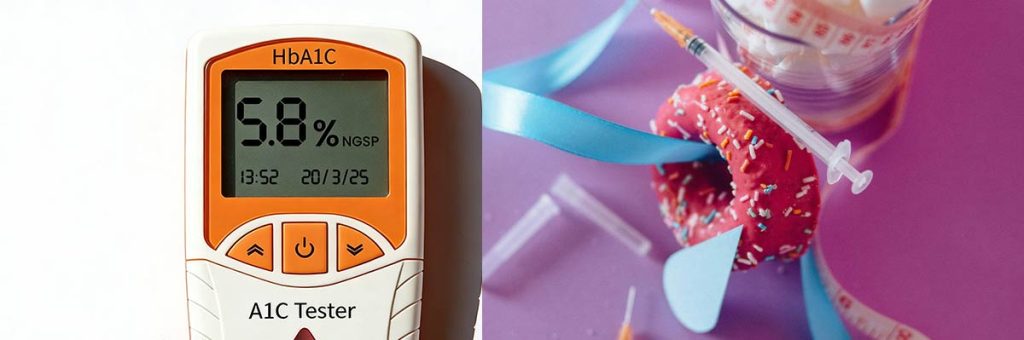
A 6.5% A1C result signals the start of diabetes and highlights the need for effective management. Regular A1C monitoring supports better control and reduces complications, as shown in clinical trials and real-world studies:
| Evidence Type | Description |
|---|---|
| Clinical Trial | Improved glycemic outcomes with smart monitoring and digital health apps. |
| Real-World Evidence | Over 55,000 people saw better readings after using digital tools for six months. |
Many patients value healthcare providers who listen, answer questions and offer positive suggestions about diabetes care.
Taking action and staying connected with a care team empowers individuals to improve their health.
FAQ
What Does an A1C of 6.5% Mean?
An A1C of 6.5% means that average blood sugar levels are high enough for a diabetes diagnosis. Doctors use this value as a key marker for identifying diabetes.
Can Stress or Illness Affect A1C Results?
Stress or illness can cause temporary increases in blood sugar. These changes may raise A1C results. Doctors consider recent health events when interpreting test results.
How Often Should Someone with Diabetes Check Their A1C?
Doctors recommend checking A1C at least twice a year for people with stable diabetes. Those who change treatment or struggle with control may need more frequent tests.
Is It Possible to Lower A1C Without Medication?
Many people lower A1C through healthy eating, exercise, and weight loss. Lifestyle changes can improve blood sugar control. Some may still need medication for best results.
Are Home A1C Testers Accurate?
Home A1C testers provide useful trends but may not match lab accuracy. Users should confirm major changes with a healthcare provider. Proper technique improves reliability.