
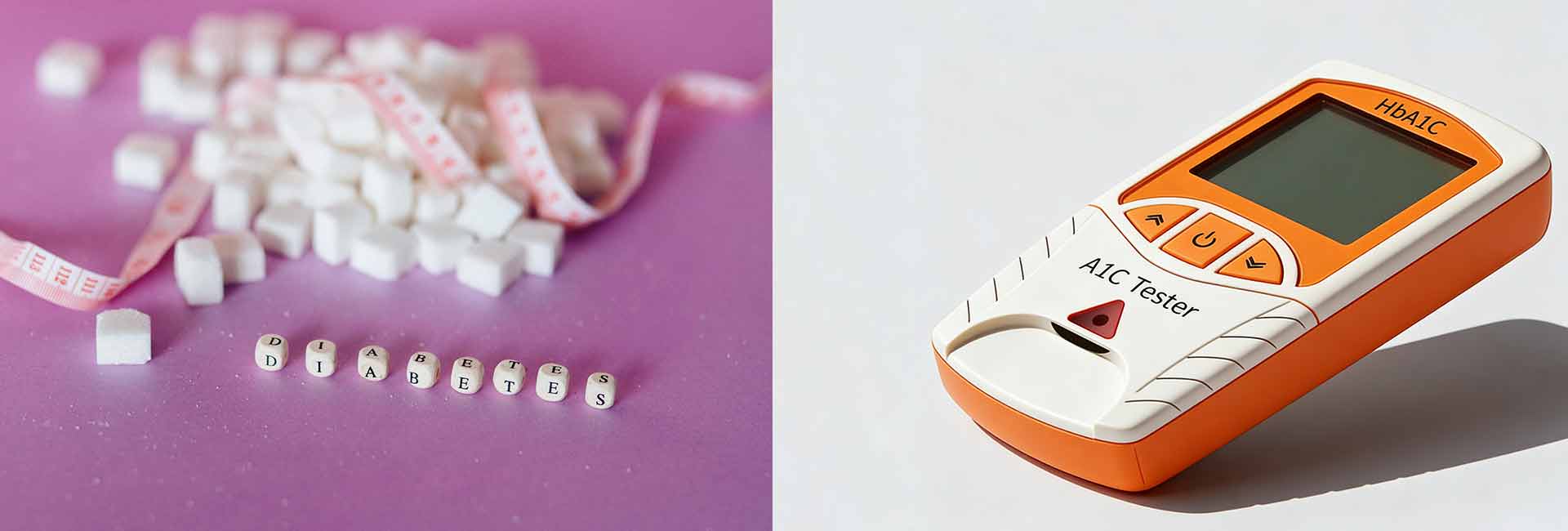


Home A1C testing offers a convenient way for people to track diabetes at home, making frequent monitoring and quick control adjustments possible. While laboratory testing provides higher accuracy, home kits like A1C Tester, CoreMedica, and A1cNow+ show varied results, with none meeting the 90% accuracy standard. Home A1C testing suits those needing regular checks for diabetes management, while lab testing remains the best choice for long-term control decisions.
Key Takeaways
- Home A1C testing offers convenience for frequent monitoring, making it ideal for those with busy schedules or limited access to healthcare.
- Laboratory A1C testing provides higher accuracy and reliability, essential for diagnosing diabetes and making long-term treatment decisions.
- Using both home and lab testing can enhance diabetes management by allowing for regular tracking and comprehensive evaluations.
- Home A1C tests can save time and money, but they should not replace lab tests for critical health decisions.
- Consulting with a healthcare provider is crucial for interpreting A1C results and adjusting diabetes management plans.
What Is A1C?
A1C Basics
A1C, also known as glycated hemoglobin A1C, serves as a key indicator in HbA1c testing for diabetes mellitus. This test measures the percentage of hemoglobin proteins in the blood that have glucose attached. The result reflects the average blood sugar level over the past three months. Healthcare providers can perform HbA1c testing by drawing blood from a vein or using a finger prick for quicker results. The HbA1c testing helps detect prediabetes and diagnose type 2 diabetes mellitus. Unlike daily blood sugar checks, HbA1c testing offers a broader view of glucose control.
- The A1C test measures the average amount of glucose in the blood over the past three months, reported as a percentage.
- It is used to detect prediabetes and diagnose type 2 diabetes mellitus.
- Healthcare providers can perform the A1C test by taking a blood sample from a vein or through a finger prick for quicker results.
A1C Importance
Glycated hemoglobin A1C plays a crucial role in managing diabetes mellitus. Scientific studies show that maintaining lower HbA1c levels reduces the risk of complications. The DCCT and UKPDS studies found that intensive glucose control, keeping hba1c near 7%, led to fewer microvascular complications. The table below summarizes these findings:
| Study | Findings | Reduction in Complications |
|---|---|---|
| DCCT | Intensive treatment keeping HbA1c around 7% | 35-76% lower risk of microvascular complications |
| Eye damage | 63% reduction | |
| Severe nonproliferative diabetic retinopathy | 47% decrease | |
| Nephropathy risk | 54% reduction | |
| UKPDS | Modest difference in HbA1c (7.0% vs 7.9%) | ~25% fewer microvascular complications |
Early intensive glucose control leads to lasting benefits, a phenomenon called the “legacy effect” or “metabolic memory.” Maintaining healthy hba1c levels remains vital for long-term health. Elevated glycated hemoglobin A1C increases the risk of heart disease, kidney disease, diabetic retinopathy, lower limb amputation, and higher mortality rates. The hba1c test provides a reliable way to monitor these risks and guide treatment for diabetes mellitus. Regular hba1c testing supports better outcomes for people with diabetes mellitus and those at risk.
Home A1C Testing Overview?
Home A1C Testing Process
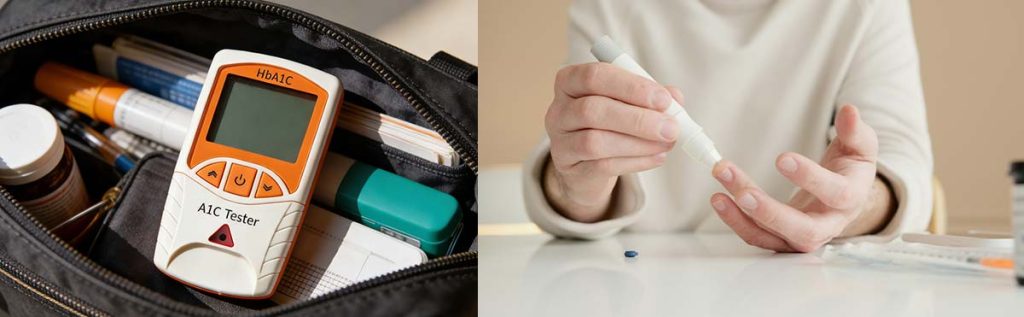
Home A1C testing allows individuals to perform blood sugar testing and continuous glucose monitoring without visiting a clinic. People use an A1C tester or A1C test kit, which usually contains lancets, collection tubes or cards, and clear instructions. The process starts with a finger prick to collect a small blood sample. The user places the sample on a collection device. Some kits use point-of-care testing devices that provide immediate results, while others require mailing the sample to a certified lab for analysis. Home blood sugar testing with these kits supports frequent monitoring and helps users make timely control adjustments.
Home A1C Testing Accuracy?
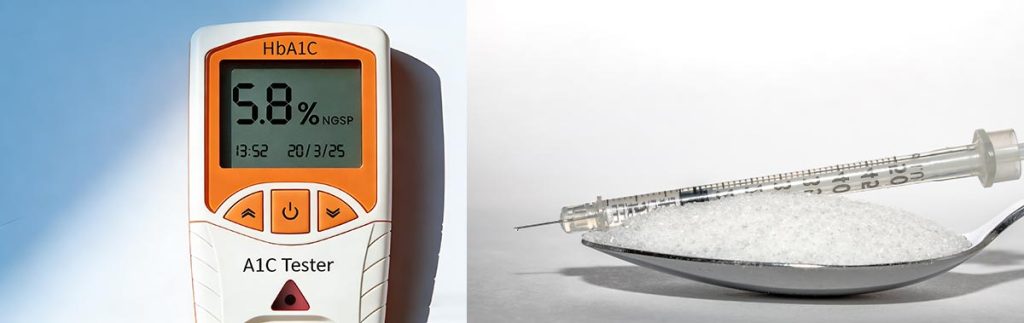
Most home A1C testing kits use advanced technology to deliver laboratory-quality results. However, accuracy can vary between brands and models. Point-of-care testing devices offer quick results, but their accuracy may not always match laboratory standards. Factors such as proper sample collection, storage of reagents, and user training can affect the reliability of results. Home blood sugar testing and continuous glucose monitoring with these kits provide valuable information, but users should confirm abnormal results with a laboratory test for precise control.
Home A1C Testing Convenience
Home A1C testing offers significant convenience for those who need regular blood sugar testing and continuous glucose monitoring. Users can perform point-of-care testing at any time, without scheduling appointments or traveling to a clinic. This flexibility supports ongoing monitoring and helps individuals respond quickly to changes in blood sugar levels. Home blood sugar testing also benefits people who live far from medical facilities or have limited mobility.
Tip: Home A1C testing can make continuous glucose monitoring and blood sugar testing easier for busy individuals or those with limited access to healthcare.
Home A1C Testing Cost
The cost of home A1C testing varies depending on the brand and type of kit. A1C test kits and point-of-care testing devices are generally more affordable than frequent laboratory visits. Some insurance plans may cover part of the expense. Home blood sugar testing and continuous glucose monitoring with these kits can reduce the need for repeated clinic appointments, saving both time and money.
Home A1C Testing Pros and Cons
| Advantages | Disadvantages |
|---|---|
| Immediate results available during patient visits | Need for proper storage of reagents and potential quality control issues with untrained personnel. |
| Usable in locations without easy access to labs | Data may not accurately enter electronic medical records when performed at home. |
| Immediate test results from finger-prick samples | Concerns about the accuracy of the testing method. |
Home A1C testing supports frequent blood sugar testing, continuous glucose monitoring, and better control for diabetes management. However, users should remain aware of potential limitations in accuracy and data integration.
Laboratory A1C Testing
Lab Testing Process
Lab testing for A1C plays a central role in diabetes care. Health professionals follow strict protocols to ensure accuracy and reliability. The process usually involves these steps:
- The technician prepares the testing area with all necessary equipment in a clean, dry space.
- The patient washes their hands thoroughly and dries them.
- The technician uses a lancet on the side of the fingertip to collect a small blood sample.
- The blood collector absorbs the sample as directed.
- The sample is mixed with a solution using a shaker device.
- The technician inserts the test cartridge into the analyzer and transfers the solution.
- The analyzer processes the sample, which takes about five minutes.
- The result is recorded with the date.
- Used materials are disposed of properly.
Lab testing remains the gold standard in diabetes care because of these controlled steps.
Lab Testing Accuracy
Lab testing provides highly accurate and reliable results for diabetes care. Quality-control standards in laboratories ensure precise A1C measurements. Even when the same blood sample is tested multiple times, results remain consistent. Peer-reviewed studies show that lab testing can achieve up to 99% accuracy compared to reference values. The average reading for a true 7.0% A1C is about 6.9%, with most results falling within a narrow range. This level of accuracy supports critical decisions in diabetes care.
Lab Testing Convenience
Lab testing offers convenience for both patients and healthcare professionals in diabetes care. Patients visit clinics for scheduled appointments, where trained staff handle the entire process. Results are automatically entered into electronic medical records, making follow-up easier. Some patients may find travel and waiting times less convenient, but the reliability and integration with diabetes care teams outweigh these concerns.
Lab Testing Cost
The cost of lab testing for A1C varies by healthcare setting. The table below shows typical prices:
| Setting | Cost (Mean ± SD) | Median (Min, Max) |
|---|---|---|
| Physician-Ordered | $250.00 ± 220.00 | $165.00 (9.00, 849.00) |
| Direct-to-Consumer | $151.00 ± 180.00 | $74.00 (9.00, 849.00) |
| Cash Price | $81.00 ± 79.00 | $45.00 (7.00, 269.00) |
| Insurance Price | $42.00 ± 4.00 | $42.00 (39.00, 45.00) |
Lab Testing Pros and Cons
| Pros | Cons |
|---|---|
| Reflects long-term blood glucose concentration | Lower sensitivity: identifies fewer cases of diabetes than glucose tests |
| Unaffected by acute changes in glucose levels due to stress or illness | Possible interference with some assay methods, resulting in falsely increased or lowered results due to some genetic hemoglobin variants |
| Highly correlated with risks for complications, such as retinopathy and cardiovascular disease | Altered relationship between A1C and glycemia in certain conditions |
| Convenient for patient and health care professionals | Not recommended for rapidly progressing diabetes, e.g., type 1 diabetes in children |
| Most stable sample after collection | May not be available in some laboratories/areas of the world |
| Low within-patient variability | Higher cost than glucose tests |
| Established international standardization of lab tests | |
| Accuracy of test is monitored |
Lab testing supports effective diabetes care by providing trusted results for diagnosis and management.
Comparing Home and Lab A1C Testing
Key Differences
Home and laboratory A1C testing each offer unique benefits and limitations. The following table highlights the main differences in accuracy, convenience, cost, and turnaround time:
| Aspect | Home Testing | Laboratory Testing |
|---|---|---|
| Accuracy | Can vary by 10-15% due to factors like usage | Highly reliable with advanced equipment |
| Convenience | Very convenient, can be done at home | Requires scheduling and travel |
| Cost | Generally more affordable | Often more expensive, especially without insurance |
| Turnaround | Results available in a few days or same day (some kits) | Results generally available in a few business days |
Home A1C kits allow individuals to perform tests at their convenience. Laboratory testing, however, provides the highest level of accuracy and reliability for monitoring glycemic control. The cost of home kits tends to be lower, especially for those without insurance coverage. Turnaround times for both methods are similar, but some home kits provide immediate results, while others require mailing samples.
Some hemoglobin variants, such as HbS, HbE, HbD, and HbC, can cause inaccurate results in home A1C testing. Laboratory methods may also be affected, but advanced labs often use techniques that minimize these errors.
| Hemoglobin Variant | Effect on A1C Testing |
|---|---|
| HbS | Can cause inaccurate results |
| HbE | Can cause inaccurate results |
| HbD | Can cause inaccurate results |
| HbC | Can cause inaccurate results |
When to Use Home A1C Testing?
Home A1C testing works best for frequent control checks and quick adjustments between clinic visits. People who need to track trends in their blood sugar or make timely changes to their diabetes management plan benefit from home kits. Home testing also suits those with limited mobility, busy schedules, or restricted access to healthcare facilities.
Tip: Home testing provides privacy and comfort, which can help individuals test more consistently and reduce anxiety.
However, relying only on home A1C testing can pose risks. Some individuals may receive misleading results if their A1C does not accurately reflect their average glucose levels. Home kits may underestimate or overestimate control, leading to potential mismanagement. Continuous glucose monitoring offers additional insights and should complement A1C testing for effective diabetes management.
| Evidence Description | Key Findings |
|---|---|
| HbA1c may not accurately reflect individual glycemic control | HbA1c can underestimate or overestimate mean glucose levels, leading to misleading assessments of diabetes management. |
| Importance of continuous glucose monitoring (CGM) | CGM provides valuable insights into a patient’s actual glucose levels, which are crucial for effective diabetes management. |
| HbA1c alone can lead to misdiagnosis | Relying solely on HbA1c can result in both over- and under-diagnosis of diabetes, necessitating additional tests for accurate diagnosis. |
| Variability in HbA1c accuracy | Some individuals may have HbA1c levels that do not accurately reflect their average glucose levels, leading to potential mismanagement of diabetes. |
When to Choose Lab Testing?
Laboratory A1C testing remains essential for diagnosis and long-term control decisions. Clinical guidelines recommend lab-based A1C testing for diagnosing diabetes, especially when the A1C level is 6.5% or greater.
According to clinical guidelines, A1C testing is essential for diagnosing diabetes when the A1C level is 6.5% or greater. This testing must be performed in a laboratory using a certified method and should be confirmed by repeat testing in the absence of clear hyperglycemia.
Lab testing also provides the most reliable results for treatment planning and monitoring glycemic control over time. People with abnormal hemoglobin variants, rapidly changing blood sugar, or complex health conditions should rely on laboratory testing. Healthcare professionals can interpret lab results accurately and adjust treatment plans as needed.
Decision Factors
Choosing between home and laboratory A1C testing depends on several factors. Individuals should consider their personal needs, health status, and access to care.
- Convenience: Home testing allows for tests on a personal schedule, which helps those with mobility issues or limited healthcare access.
- Cost-effectiveness: Home kits can save money by reducing travel and time off work.
- Privacy and Comfort: Testing at home can lower anxiety and encourage regular control checks.
- Limitations: Home tests may show slight variations compared to lab tests and cannot replace comprehensive care from healthcare providers.
- Best Use: Home testing is ideal for frequent control checks and quick adjustments. Lab tests provide detailed insights for long-term management and treatment planning.
- Combination: Using both methods can be beneficial. Home testing supports daily tracking, while lab tests offer comprehensive evaluations.
- Occasional Monitoring: Home kits help track trends between doctor visits.
- Professional Testing: Periodic lab testing remains essential due to factors that affect A1C results.
- Discussion with Doctor: Individuals should always discuss results with a healthcare provider for accurate interpretation and control.
People who want to optimize diabetes management should use home A1C testing for frequent control and laboratory testing for diagnosis and long-term monitoring glycemic control.
Conclusion
Both home and laboratory A1C testing have unique roles in diabetes management. Home testing offers convenience, cost savings, and frequent monitoring, especially for those with limited access to healthcare. Laboratory testing provides highly accurate, reliable results essential for diagnosis and long-term treatment decisions. Experts recommend consulting healthcare providers before choosing or switching methods. Considering personal health needs, access, and the potential biological factors affecting results can guide the best choice. Combining both approaches often yields the most effective management strategy.
FAQ
How Often Should Someone Check Their A1C At Home?
Most people with diabetes check their A1C at home every three to six months. Frequent testing helps track trends and supports better blood sugar control. A doctor may recommend a different schedule based on individual needs.
Can Home A1C Tests Replace Lab Tests?
Home A1C tests support frequent monitoring but do not replace laboratory tests. Lab tests provide higher accuracy and reliability. Doctors use lab results for diagnosis and long-term treatment decisions.
Are Home A1C Tests Safe to Use?
Home A1C tests are safe when users follow instructions carefully. The kits use a small finger prick, similar to daily blood sugar checks. Proper hygiene and correct sample collection reduce the risk of errors.
What Should Someone Do If Home and Lab Results Differ?
If home and lab A1C results differ, a person should trust the lab result. They should share both results with their healthcare provider. The provider can help interpret the differences and adjust the care plan.
Do Insurance Plans Cover Home A1C Testing Kits?
Some insurance plans cover home A1C testing kits. Coverage depends on the plan and the reason for testing. People should check with their insurance provider for details about coverage and reimbursement.