
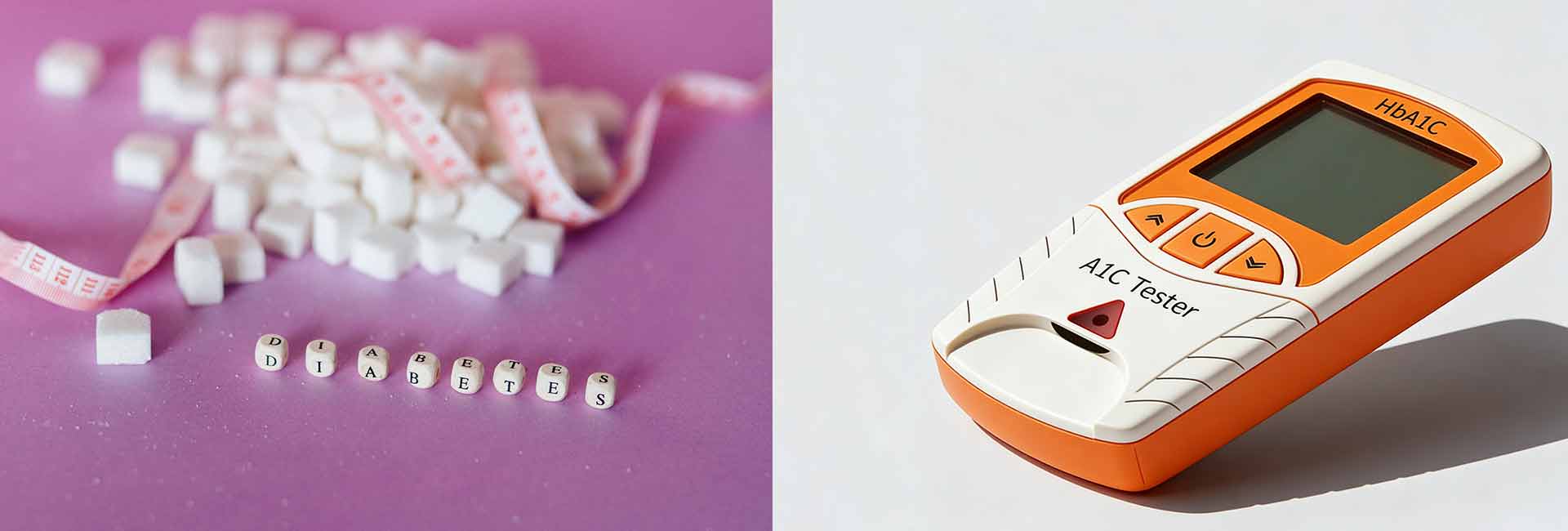
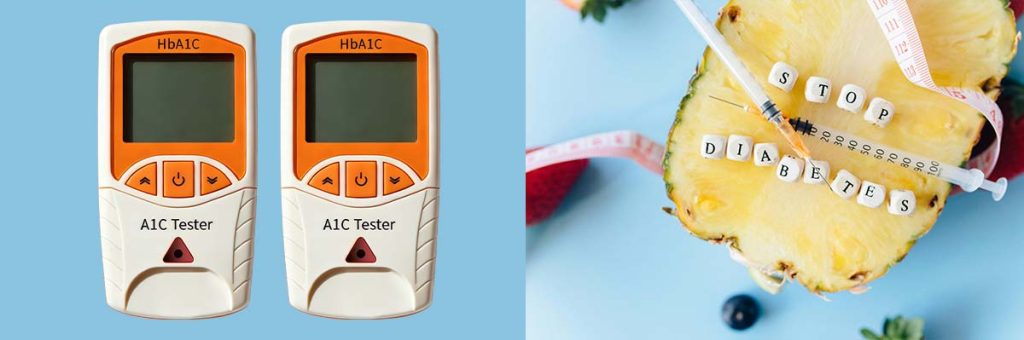


Hemoglobin A1C fingerstick does not match the reliability of venous blood tests. Accurate results matter because A1C testing helps prevent complications like vision loss or cardiovascular disease. The fingerstick method uses a small blood sample from the fingertip, while venous draws collect blood from a vein for more precise processing. The table below highlights key differences:
| Factor | Fingerstick Tests | Venous Blood Tests |
|---|---|---|
| Sample Rejection Rate | Higher due to quality issues | Lower, more consistent processing |
| Haemolysis Rates | More prone to errors affecting results | Less affected, more stable results |
| Biomarker Accuracy | Varies significantly by biomarker | Generally more reliable across biomarkers |
Individuals should weigh convenience against accuracy when selecting an A1C tester.
Key Takeaways
- Fingerstick tests offer quick results but may lack the accuracy of venous blood tests, making them less reliable for diagnosis.
- Venous blood draws provide larger samples and more consistent results, making them the gold standard for A1C testing.
- Consider personal health conditions and preferences when choosing between fingerstick and venous blood tests for diabetes management.
- Follow proper procedures for sample collection to improve the accuracy of both fingerstick and venous blood tests.
- Discuss testing options with healthcare providers to ensure the best method for monitoring and managing diabetes.
Hemoglobin A1C Fingerstick vs. Venous Blood Test
What Is a Finger Stick Test?
A finger stick test, often called a finger prick test, uses a small drop of blood from the fingertip to measure hemoglobin A1C levels. This method requires only a tiny amount of blood, making it easy to collect and less intimidating for many patients. The process begins when a healthcare provider uses a lancet to prick the fingertip. The blood is then mixed with a special substance and placed into a cartridge for analysis. The sample is processed in-house, and results are available quickly, often during the same clinic visit. Many people prefer the finger prick test because it causes minimal discomfort and provides immediate feedback. Some physicians choose capillary sampling for its convenience and high patient satisfaction, especially when patients dislike venipuncture.
The finger stick method works well for point-of-care testing. It allows healthcare providers to make timely adjustments to a patient’s care plan. The fingerstick approach is suitable for those who want fast results or have difficulty with traditional blood draws.
What Is a Venous Blood Test?
A venous blood test, also known as a venous blood draw or venipuncture, collects blood directly from a vein, usually in the arm. This method uses a lavender top EDTA tube to ensure the correct blood-to-anticoagulant ratio. After collection, the tube is inverted several times to mix the blood and prevent clotting. The sample is then sent to a laboratory for precise analysis. Venipuncture provides a larger blood sample, which helps reduce errors and improves reliability.
Venous blood tests are the standard for most clinical laboratories. They offer more consistent processing and lower rejection rates compared to finger stick methods. Many healthcare providers recommend venous sampling for all glucose and A1C determinations, especially when accuracy is critical.
Note: Both the finger prick test and venous blood test show high diagnostic value for diabetes control. Studies report strong correlation coefficients for A1C results between the two methods, with values of 0.96 and 0.94 for common A1C testers.
Main Differences in Sample Collection and Processing
- The finger stick test uses a small capillary sample from the fingertip, processed immediately in the clinic.
- The venous blood test uses a larger sample from a vein, processed in a laboratory for higher accuracy.
- Finger prick tests provide rapid results and greater convenience, while venous blood tests offer more reliable and consistent outcomes.
- Venipuncture is preferred when precise measurement is necessary, but fingerstick methods remain a good option for patients who need quick answers or dislike traditional blood draws.
Accuracy Comparison
Fingerstick Test Accuracy
Finger stick methods offer a convenient way to measure hemoglobin A1C levels, especially for point-of-care screening and immediate results. Many clinics use these tests for quick monitoring and to adjust diabetes management plans during a single visit. However, the accuracy of fingerstick testing can vary depending on the device and patient condition.
The table below shows the clinical accuracy of several common A1C testers used for hemoglobin a1c fingerstick measurements:
| Test Device | Correlation Coefficient | Positive Predictive Value | Negative Predictive Value | AUC (95% CI) |
|---|---|---|---|---|
| BioRadInt 2 | 0.97 | N/A | N/A | N/A |
| Bayer A1c Now | 0.89 | 81% (7% or higher) | 91% | N/A |
| Hemocue A1c | 0.75 | 92% | 85% | 0.938 (0.893-0.984) |
| SD assay | N/A | 92% | 85% | 0.935 (0.886-0.983) |
Most fingerstick A1C testers show strong correlation with laboratory venous blood results, but the margin for error increases in certain clinical situations. Immediate results help with rapid decision-making, but users should remember that biomarker accuracy may drop if the sample is too small or contaminated. Finger stick tests remain valuable for screening and ongoing monitoring, but they may not always match the precision of laboratory-based methods.
Venous Blood Test Accuracy
Venous blood tests, also known as venipuncture, set the standard for clinical accuracy in hemoglobin A1C monitoring. Laboratories use strict protocols to ensure reliable results. Staff collect blood using lavender top EDTA tubes, invert the tubes to mix the sample, and follow quality control procedures. These steps help reduce errors from clotting, hemolysis, or improper mixing.
Laboratory studies report the following margin of error for venous blood A1C testing:
| Measurement Type | Margin of Error (%) |
|---|---|
| HbA1c (mmol/mol) | 9.2 |
| HbA1c (%) | 5.9 |
Venipuncture provides a larger blood sample, which improves biomarker accuracy and reduces the risk of contamination. Clinical laboratories also use temperature control and proper storage to maintain sample stability. These measures support consistent results for both screening and ongoing monitoring. Venous blood tests remain the preferred choice when precise measurement is critical for diabetes management.
Factors Affecting Accuracy
Several factors can influence the accuracy of both fingerstick and venous blood A1C testing. The following table highlights common sources of error or variability in hemoglobin A1C fingerstick results:
| Source of Error/Variability | Description |
|---|---|
| Hypoproteinemia | Conditions like cirrhosis and nephrotic syndrome can lead to unreliable results. |
| Uremia | Affects the accuracy of A1C measurements. |
| Lipemia | High levels of lipids can interfere with test results. |
| Renal failure | Alters the metabolism and clearance of glucose. |
| Pregnancy | Changes in red blood cell lifespan and increased erythropoietin can cause falsely low A1C values. |
| High glycemic variability | Fluctuations in blood sugar can lead to inaccurate A1C readings. |
| Ingestion of certain substances | Acetaminophen and ascorbic acid can affect test outcomes. |
| Hemolytic anemia | Shortened red blood cell lifespan results in lower A1C levels. |
| Splenomegaly | Increased red cell turnover can lead to falsely low A1C results. |
Other factors also play a role in clinical accuracy:
| Factor Type | Impact on HbA1c Test Accuracy |
|---|---|
| Conditions shortening RBC lifespan | Conditions like hemolysis and anemia lead to falsely low HbA1c levels due to reduced exposure time to glucose. |
| Conditions increasing RBC lifespan | Chronic kidney disease and repeated transfusions can result in falsely elevated HbA1c levels due to increased glycation time. |
| Interfering conditions | Liver diseases, alcohol addiction, and certain medications can negatively affect glycation independent of glucose concentration. |
Sample contamination and hemolysis can lower A1C values, making results less reliable. Errors during sample collection, transport, or processing may also affect accuracy. Laboratories address these risks by using proper tubes, immediate mixing, and staff training. For finger stick tests, small sample volume and improper handling increase the chance of error.
Storage conditions matter as well. Blood samples kept at room temperature for more than 24 hours become unstable, while refrigeration at 4°C improves stability. Freezing samples at -80°C for several weeks can also change the concentration of glycated hemoglobin, depending on the assay method.
Tip: For the most accurate results, patients should follow all instructions for sample collection and storage. Clinics should use well-maintained A1C testers and ensure staff receive proper training.
Clinical Acceptance and Guidelines
Medical Standards for A1C Testing
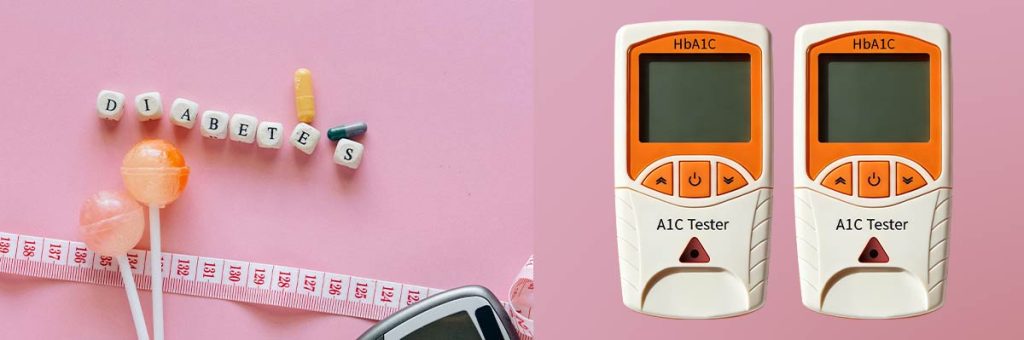
Clinical guidelines set clear standards for hemoglobin A1C testing in diabetes care. Healthcare providers use these standards to guide screening, diagnosis, and ongoing management. The table below summarizes current recommendations:
| Recommendation Type | Frequency Of Testing | Target A1C Level | Considerations |
|---|---|---|---|
| General Population | At least every 6 months | <6.5% or <7% (individualized) | Age, risk of hypoglycemia, coexisting chronic illnesses |
| Stable Glycemia | At least twice per year | Individualized | N/A |
| Unstable Glycemia | Up to every 3 months | Individualized | N/A |
Clinical guidelines also recognize that the percentage of patients receiving A1C testing serves as a quality performance measure. This measure is part of national diabetes screening metrics and helps clinics achieve accreditation. Individuals with stable glycemia should receive A1C testing at least twice a year. Those with unstable glycemia need more frequent screening, up to every three months.
When Fingerstick Is Accepted?
Fingerstick collection plays an important role in clinical settings where immediate results are needed. Point-of-care testing allows healthcare teams to adjust treatment plans during a single visit. This approach benefits populations with limited access to healthcare, as it removes the need for extra appointments. Pediatric patients often prefer capillary blood collection over traditional blood draw methods. Pregnant women with diabetes require frequent screening, making point-of-care tests with fingerstick collection more practical. These scenarios highlight the value of fingerstick A1C testers in clinical decision-making and ongoing screening.
Note: Point-of-care testing improves patient engagement by providing rapid feedback during clinical visits.
When Venous Draw Is Preferred?
Venous blood draw remains the clinical gold standard for A1C testing. Clinical guidelines recommend venous blood collection for diagnosis, insurance documentation, and situations where accuracy is critical. The table below outlines key scenarios:
| Scenario | Reason for Venous Draw |
|---|---|
| Diagnosis | Venous samples provide reference-level accuracy and quality control. |
| Insurance Documentation | Most insurance plans require lab-based venous samples for coverage. |
| Accuracy | Venous samples deliver more accurate and reproducible results than fingerstick tests. |
Venous blood draw supports reliable screening and ensures that results meet clinical standards. Healthcare providers rely on this method for initial diagnosis and when precise measurement is essential for patient care.
Pros and Cons of Finger Stick and Venous Blood Test
Fingerstick Advantages
- The hemoglobin A1C fingerstick offers rapid results, often within 3 to 15 minutes, which supports immediate clinical decision-making.
- Patients experience minimal discomfort because the finger stick requires only a small blood sample, usually between 2 and 10 microliters.
- Many clinics use fingerstick A1C testers for point-of-care screening, which reduces the need for extra appointments.
- Portable A1C testers allow healthcare teams to perform tests in various settings, such as clinics, pharmacies, or community events.
- Fingerstick sampling increases accessibility for populations with limited healthcare access and is especially suitable for pediatric patients.
- Minimally trained personnel can perform the test, making it practical for busy clinical environments.
Fingerstick Disadvantages
- The finger stick method can produce inaccurate results in patients with sickle cell trait or variant hemoglobins, which may lead to misinterpretation of glycemic control.
- Patients with end-stage renal disease may receive overestimated A1C values due to decreased erythrocyte lifespan.
- Chronic alcohol use, opioid abuse, and high doses of vitamins C and E can interfere with test accuracy, complicating clinical assessment.
- Small sample size increases the risk of contamination or hemolysis, which can affect results and lead to higher sample rejection rates.
- Some clinical guidelines recommend confirmation with venipuncture when screening results are borderline or inconsistent.
Venous Draw Advantages
- Venipuncture collects a larger blood sample, which improves sample quality and reduces the chance of contamination.
- Clinical laboratories recognize venipuncture as the gold standard for hemoglobin A1C testing, providing reliable and accurate results.
- This method supports comprehensive lab testing, which is essential for effective diabetes management and ongoing clinical monitoring.
- Results from venipuncture are typically available within 5 to 7 business days, ensuring timely access to important health data.
- Venous blood draws have lower rejection rates due to consistent sample processing and strict laboratory protocols.
Venous Draw Disadvantages
Venous blood draws can cause physical and emotional discomfort for patients. The process often requires assistance from medical personnel, and the anticipation of pain may trigger stress responses. Logistical challenges include the need for special processing, storage, and temperature-controlled transportation, especially for at-home testing. These factors can limit accessibility for some patients and delay clinical results.
Choosing an A1C Tester
When to Use Fingerstick?
A fingerstick A1C tester works best for patients who need immediate feedback during a clinic visit. Many healthcare providers use this method for ongoing diabetes management and trend monitoring. Patients who dislike traditional blood draw methods often prefer fingerstick testing. This approach also benefits those in remote areas or with limited access to laboratory services. Daily self-monitoring with a finger prick test helps individuals make quick decisions about food, exercise, and insulin doses. However, a single A1C value every few months does not provide real-time feedback, so fingerstick testing fills this gap for many patients.
When to Use Venous Blood Draw?
A venous blood draw remains the preferred choice for initial diagnosis and situations where accuracy is critical. Clinical guidelines recommend this method for confirming diabetes and for insurance documentation. Venous blood draw provides the most accurate and reproducible results, making it essential for validation of abnormal or inconsistent findings from fingerstick testing. Patients with conditions that affect red blood cell turnover, such as anemia or kidney disease, should rely on venous blood draw for reliable validation. Clinical laboratories use strict protocols to ensure the highest level of validation and accuracy.
Table: Factors to Consider When Choosing an A1C Tester
| Factor | Fingerstick (POC) Test | Venous Blood Draw |
|---|---|---|
| Accuracy | Good for ongoing management, but may vary | Most accurate and reproducible |
| Clinical Context | Quick results for immediate care adjustments | Preferred for initial diagnosis |
| Patient Needs | Useful for monitoring trends | Necessary for confirming diagnosis |
| Conditions Affecting Results | Affected by red blood cell turnover, etc. | Less affected by such conditions |
| When to Use | Same-visit feedback, trend monitoring | Confirm diagnosis, inconsistent results |
Practical Tips for Accurate Results
Patients and providers can improve validation and accuracy by following a few simple steps:
- Always use a well-maintained A1C tester and check expiration dates on testing supplies.
- Ensure hands are clean and dry before collecting a fingerstick sample to reduce contamination.
- For venous blood draw, confirm that the sample is mixed and stored according to clinical guidelines.
- Repeat testing if results seem inconsistent or do not match symptoms.
- Discuss all results with a healthcare provider to ensure proper validation and interpretation.
These tips help maximize the reliability of both fingerstick and venous blood draw methods. Consistent validation supports better diabetes management and clinical decision-making.
Conclusion
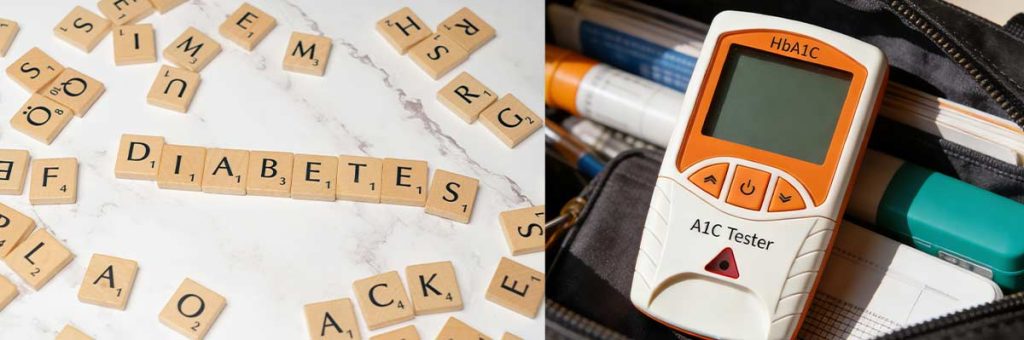
Hemoglobin A1C fingerstick offers convenience and rapid clinical results, but venous blood tests provide higher accuracy for diagnosis and ongoing management. Clinical teams select A1C testers based on patient needs, medical conditions, and genetic factors. They recognize the limitations of point-of-care testing, including possible inaccuracies from hemoglobin variants. Patients should discuss their clinical testing preferences and health conditions with healthcare providers. This conversation helps them choose the most suitable method and ensures reliable results for diabetes care.
- Consider medical conditions and genetic makeup when selecting an A1C tester.
- Understand that point-of-care testing may have lower accuracy than laboratory testing.
- Avoid making treatment decisions based only on point-of-care test results.
FAQ
What Is the Main Difference Between Fingerstick and Venous Blood Draw?
Fingerstick uses a small blood sample from the fingertip. Venous blood draw collects a larger sample from a vein. Venous methods provide higher accuracy and reliability for A1C tester results.
Can a Fingerstick Test Replace a Venous Blood Draw for Diabetes Diagnosis?
Healthcare providers use venous blood draw for diagnosis because it offers more precise results. Fingerstick methods work well for monitoring but may not meet clinical standards for diagnosis.
Who Should Use an A1C Tester with Fingerstick Collection?
Patients who need quick results or dislike venous blood draws often choose fingerstick A1C tester options. This method suits children, people in remote areas, and those needing immediate feedback.
How Can Someone Improve the Accuracy of Their A1C Tester Results?
Clean hands before collecting a sample. Use well-maintained devices. Repeat the test if results seem unusual. Discuss findings with a healthcare provider for proper interpretation.
Are There Any Conditions That Affect A1C Tester Results?
Certain conditions, such as anemia, kidney disease, or pregnancy, can change A1C tester readings. Medications and hemoglobin variants may also impact accuracy.