
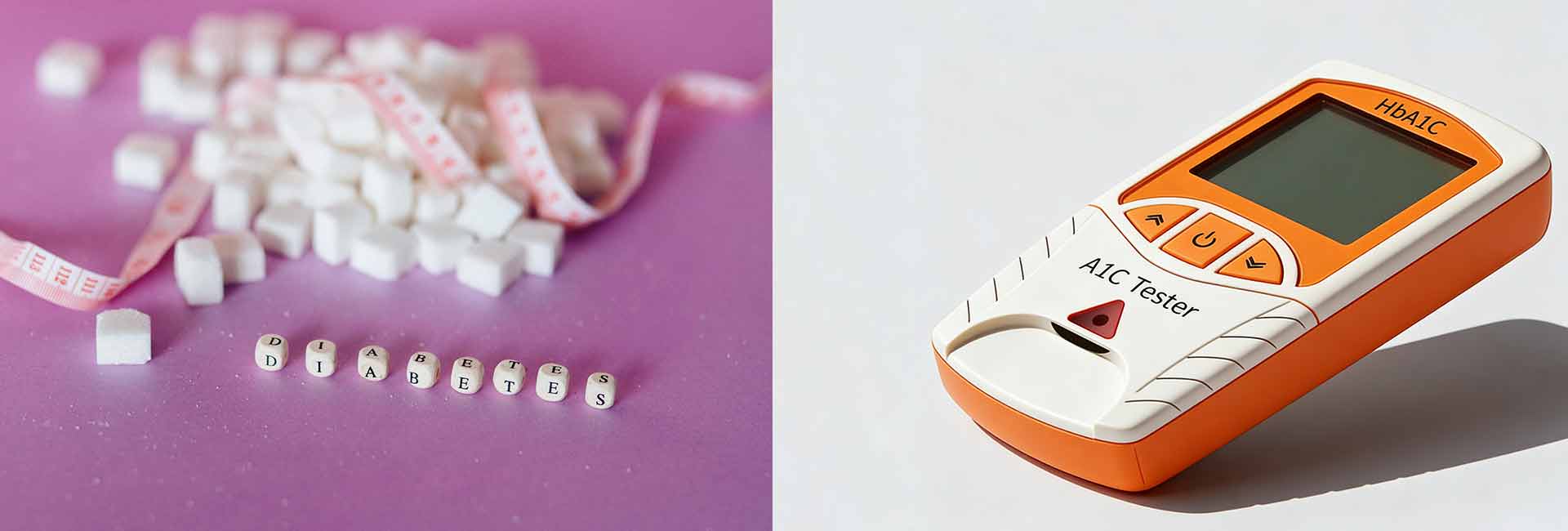


A1C blood tester stands out for their reliability in tracking long-term blood sugar. Many people with diabetes choose an A1C tester because it offers quick and accurate results, which are crucial for effective monitoring. Recent studies show that while the A1C test provides a valuable average of blood sugar over two to three months, it does not capture daily changes as well as continuous glucose monitoring. However, HbA1c remains a trusted tool in routine care. People often rely on HbA1c results for a clear picture of their health.
- A1C gives a long-term view, unlike other tests that focus on short-term changes.
Key Takeaways
- The A1C test measures average blood sugar over the past 2-3 months, providing a long-term view of glucose control.
- No fasting is required for the A1C test, making it convenient for regular monitoring at any time.
- A1C testers offer quick and accurate results, helping individuals track their diabetes management effectively.
- Regular A1C testing, at least twice a year, is essential for monitoring diabetes and reducing the risk of complications.
- Discuss A1C results with healthcare providers to make informed decisions about diabetes treatment and lifestyle changes.
What Does the A1C Test Measure?
Average Blood Sugar Over Time
The A1C test plays a central role in diabetes care. This test quantifies the proportion of red blood cells that have glucose attached to hemoglobin. As glucose levels rise, more hemoglobin becomes coated with glucose. The A1C test measures this percentage, which reflects average blood sugar over the past two to three months. The HbA1c test is based on the binding of glucose to hemoglobin, making it a reliable indicator of long-term blood sugar control.
- The A1C test shows average glucose levels.
- Results are reported as a percentage, indicating average blood sugar over the past 2-3 months.
- The HbA1c test measures glycated hemoglobin in the blood, reflecting glucose levels during the lifespan of red blood cells.
An A1C tester provides a convenient way to check these values at home or in a clinic. People use HbA1c tests to track how well they manage their diabetes over time. The HbA1c test does not require fasting, which adds to its practicality for regular monitoring.
Note: The A1C test reflects average blood glucose over the last 2-3 months. It indicates how well blood glucose is managed over time.
Why A1C Is Important?
The HbA1c test serves as a key tool for diabetes diagnosis and ongoing management. Health care professionals rely on the HbA1c test to assess how well a person controls their blood sugar. The test helps guide treatment decisions and supports early diagnosis of diabetes. Experts recommend that people with diabetes have an A1C test at least twice a year. More frequent testing may be necessary if treatment goals are not being met.
The HbA1c test offers several advantages:
- No need for fasting before the test.
- Stable results that are not affected by daily changes in glucose.
- Reliable information for both diagnosis and ongoing care.
The HbA1c test remains a standard for diabetes diagnosis and monitoring. An A1C tester makes it easier for individuals to stay informed about their health and take action when needed.
How an A1C Blood Tester Works?
Testing Methods: Lab vs. Finger Prick
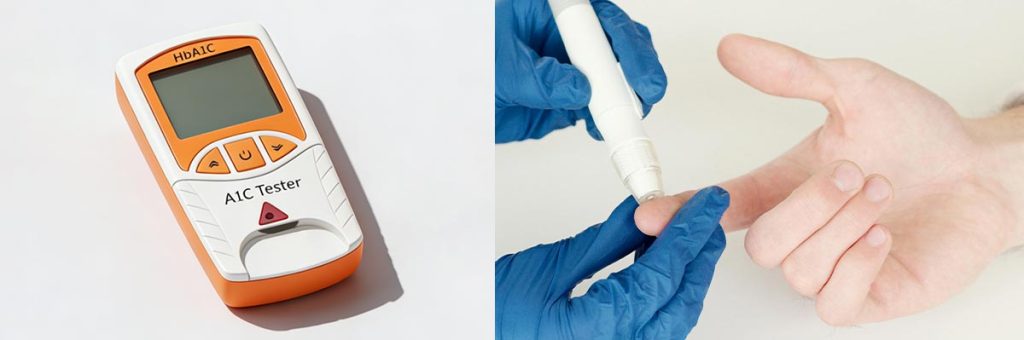
A1C tester uses two main methods to measure HbA1c levels: laboratory testing and finger prick testing. Laboratory A1C tests require a healthcare professional to draw blood from a vein. The sample is then sent to a lab for analysis. This method provides high accuracy and is often used for diagnosis and ongoing care. In contrast, finger prick A1C tests use a small lancet to collect a drop of blood from the finger. Many clinics and at-home HbA1c test kits use this method for quick results.
| Testing Method | Procedure Description | Result Timing |
|---|---|---|
| Laboratory A1C Test | Blood is drawn from a vein using a needle and sent to a lab for analysis. | Results take longer. |
| Finger Prick A1C | A small lancet pricks the finger, and results can be available on the same day. | Results available quickly. |
Laboratory A1C tests usually provide more accurate results than finger prick tests. Finger prick tests are best for monitoring glucose management, not for diagnosing diabetes. Both methods help track average glucose levels over time, but only laboratory tests meet the highest standards for diagnosis.
Ease and Accessibility
A1C testers have become more accessible due to advances in technology. At-home HbA1c test kits allow individuals to collect a blood sample in the comfort of their home. This process appeals to many people who want privacy and convenience. After collecting the sample, users send it to a lab for analysis. While at-home HbA1c test kits offer ease of use, they still require follow-up with healthcare providers for accurate interpretation.
A1C tests are available in many settings, such as primary care offices, urgent care centers, and hospitals. These locations use standardized methods to ensure reliable HbA1c results. Regulatory bodies like NGSP and IFCC set strict standards for HbA1c measurement accuracy.
Technological improvements have made point-of-care a1c testers faster and more user-friendly. Immediate results from these devices help patients stay engaged in their glucose management. However, users should avoid common errors, such as not washing hands before testing or using expired test strips. Following instructions and keeping a record of results can improve the reliability of home testing.
Tip: Always use a personal A1C tester and check expiration dates on test strips to ensure accurate glucose readings.
People often ask, “how does HbA1c testing work?” The answer is simple: both lab and at-home HbA1c test kits measure the percentage of glucose attached to hemoglobin in red blood cells. This process provides a clear picture of long-term glucose control, whether tested at home or in a clinic.
Benefits of an A1C Blood Tester
No Fasting Needed
Many people choose an A1C blood tester because it does not require fasting. This feature makes the hba1c test more convenient than other blood sugar tests. Individuals can use an A1C tester at home or in a clinic at any time of day. The table below compares fasting requirements for common glucose tests:
| Test Type | Fasting Required | Reason for Fasting Requirement |
|---|---|---|
| A1C Test | No | Measures average blood glucose over the past 90 days. |
| Oral Glucose Tolerance Test | Yes | Provides a snapshot of fasting blood glucose at a specific moment. |
The HbA1c test measures average glucose levels, so it does not depend on when a person last ate. This advantage allows for flexible scheduling and reduces stress for those managing diabetes. The advantages of the HbA1c test include ease of use and less disruption to daily routines.
Fast and Accurate Results
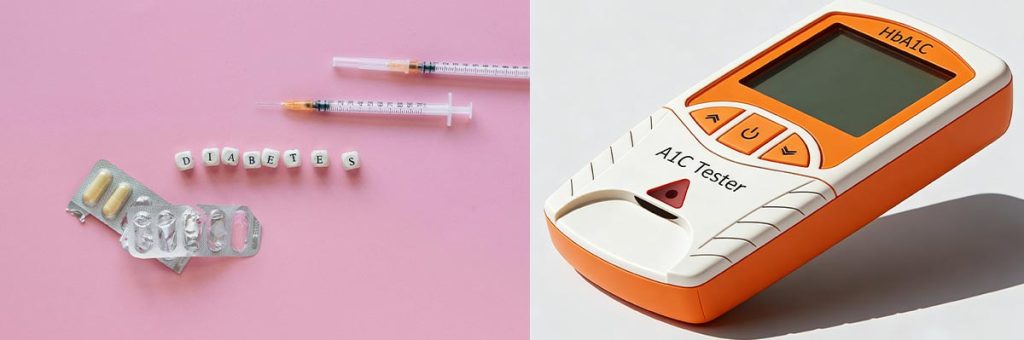
An A1C blood tester provides fast and accurate results, whether used at home or in a medical setting. Many home HbA1c test kits deliver results within minutes, helping individuals track their glucose control without waiting for lab reports. The HbA1c test remains stable under different conditions, making it less likely to be affected by temperature or handling errors. This reliability supports ongoing diabetes management.
Healthcare professionals recommend regular hba1c testing to monitor treatment effectiveness. The HbA1c test is less influenced by short-term changes in glucose, so it gives a clearer picture of long-term control. People often report high satisfaction with the efficiency and communication provided by A1C testers. The chart below shows satisfaction rates for different aspects of care related to A1C blood testers:
The HbA1c test also offers cost-effectiveness. Studies show that monitoring every six months with an A1C tester provides good value for diabetes care. More frequent testing can improve outcomes but may increase costs.
Reliable for Diabetes Management
The HbA1c test plays a key role in diabetes diagnosis and ongoing care. An A1C blood tester helps detect chronic hyperglycemia by measuring the amount of glucose attached to hemoglobin. The HbA1c test reflects average blood glucose over three months, which is essential for identifying long-term patterns. The advantages of the hba1c test include early detection of problems and support for clinical decisions.
- The HbA1c test measures the amount of hemoglobin with attached glucose.
- It reflects average blood glucose levels over the past three months.
- This information is crucial for identifying chronic hyperglycemia.
The HbA1c test is reliable for diabetes management because it is less affected by temperature, equipment, or sample handling. Healthcare professionals recommend A1C testing at least twice a year to assess management plans. Regular use of an A1C tester at home or in a clinic can help reduce the risk of diabetes complications. Studies show that keeping A1C levels below 7% lowers the chance of problems such as retinopathy, nephropathy, and neuropathy.
- The HbA1c test measures the average blood glucose levels over the past three months, which helps in monitoring diabetes.
- Studies indicate that maintaining A1C levels below 7% can significantly reduce the risk of diabetes-related complications.
- Consistently high A1C levels are linked to an increased likelihood of developing complications such as retinopathy, nephropathy, and neuropathy.
- Research shows that timely access to A1C data during patient visits can enhance clinical decision-making and patient engagement, leading to better glycemic control.
- Managing glucose variability and chronic hyperglycemia is proposed to protect against both microvascular and macrovascular complications.
A1C testers support better communication between patients and doctors. People find it easier to get appointments and receive complete care when using these devices at home or in clinics. The HbA1c test supports both diagnosis and ongoing monitoring, making it a trusted tool for diabetes care.
Note: The HbA1c test has some limitations. It does not provide real-time feedback, so it may not capture sudden changes in glucose. Conditions such as anemia, kidney disease, or pregnancy can affect results. People should consult healthcare professionals for interpretation and use other tests when immediate glucose information is needed.
Interpreting A1C Blood Tester Results
Understanding Your Numbers
An A1C tester gives a clear picture of average glucose levels over the past two to three months. People often ask, “what do my HbA1c results mean?” The answer depends on the percentage shown in the report. The table below summarizes standard reference ranges for A1C results:
| A1C Level | Diagnosis |
|---|---|
| Less than 5.7% | No diabetes |
| 5.7% to 6.4% | Prediabetes |
| 6.5% or higher | Type 2 or Type 1 diabetes |
Doctors use these ranges for diabetes diagnosis and to guide treatment. The American Diabetes Association recommends an A1C of 7% or lower for most adults with diabetes. Some people may have higher goals if they have advanced complications or a limited life expectancy. Regular monitoring with an A1C tester helps individuals and healthcare providers track progress and adjust plans.
A common misconception is that the HbA1c test always gives a perfect report. Medical conditions like anemia or kidney disease can affect accuracy. Certain medications may also change results. Healthcare providers often use more than one test to confirm a diagnosis.
Using Results for Better Health
People use their HbA1c report to make decisions about diabetes treatment and daily habits. The A1C tester helps set goals, modify therapy, and monitor your condition. When someone asks, “what do my HbA1c results mean,” the answer often leads to action. Doctors recommend keeping hba1c below 7% to reduce the risk of complications. This can be achieved through dietary changes, exercise, and medication.
Lifestyle changes play a key role in improving glucose control:
- Weight loss or maintaining a healthy weight
- Regular physical activity
- Adequate sleep
- Stress management
- Checking cholesterol levels
The HbA1c test shows how well a diabetes management plan works over time. Regular A1C testing, at least twice a year, supports better outcomes. Consistent use of an A1C tester can help lower the risk of eye, kidney, and nerve problems. People should always discuss their report with a healthcare provider to make the best choices for their health.
Tip: Use your A1C results to start conversations with your doctor about your treatment plan and ways to improve glucose control.
Conclusion
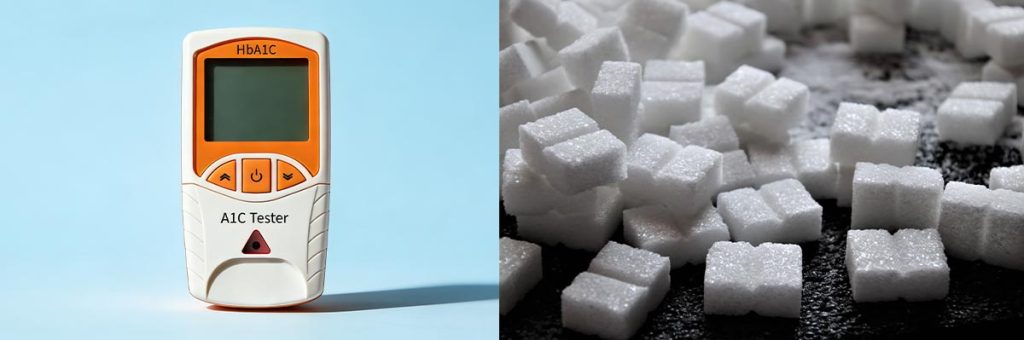
A1C blood tester offers a smart solution for monitoring diabetes. The tester provides reliable results and support long-term tracking. People find these devices convenient and accurate. The HbA1c test helps individuals manage diabetes with confidence. Many users report high satisfaction and strong adherence compared to other monitoring devices.
| Monitoring Device | Adherence Level | A1C Improvement |
|---|---|---|
| Real-time CGM | Higher | Significant |
| Intermittently scanned CGM | Lower | Less significant |
People should include A1C blood testers in their health routine. They can discuss results with healthcare professionals to improve diabetes management.
FAQ
How Often Should Someone Use An A1C Blood Tester?
Most healthcare professionals recommend testing at least twice a year. People who change their treatment plan or struggle to meet goals may need more frequent checks. Regular testing helps track progress and supports better diabetes management.
Can An A1C Blood Tester Replace Daily Glucose Monitoring?
An A1C blood tester provides long-term averages. It does not replace daily glucose checks. People with diabetes should use both tools. Daily monitoring shows immediate changes, while A1C reveals overall control.
Are At-Home A1C Test Kits Accurate?
At-home A1C test kits offer reliable results when users follow instructions. These kits meet accuracy standards for monitoring. However, laboratory tests remain the gold standard for diagnosis. Users should confirm unusual results with a healthcare provider.
What Factors Can Affect A1C Test Results?
Certain conditions, such as anemia or kidney disease, can change A1C readings. Some medications may also impact results. People should inform their healthcare provider about any health changes before testing.
Is Fasting Required Before Using an A1C Blood Tester?
No fasting is needed for an A1C test. People can use the tester at any time of day. This feature makes A1C testing more convenient than many other blood sugar tests.