
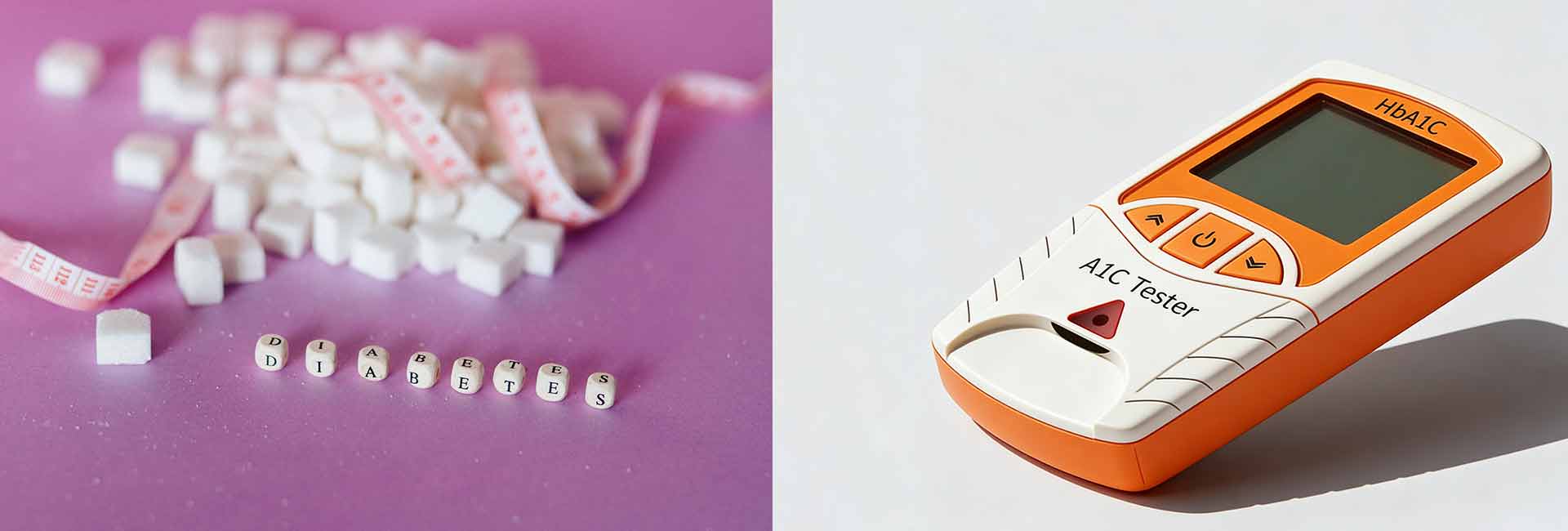
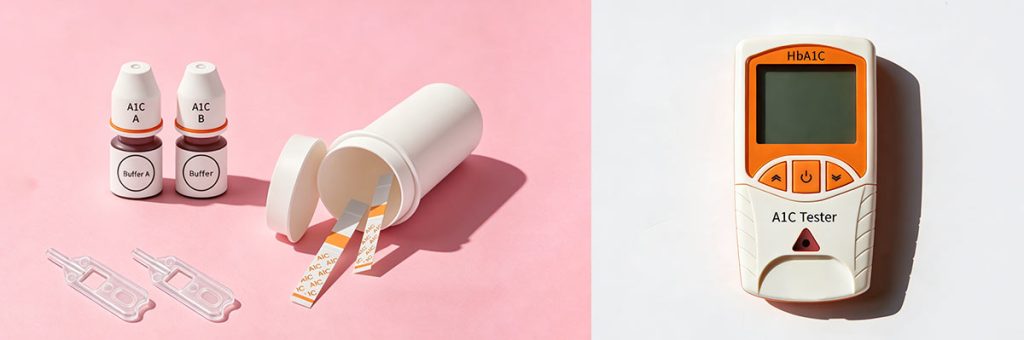


Mail-in lab A1C test kits typically provide greater accuracy, while instant results kits offer unmatched convenience. Accuracy and convenience both play a critical role in effective diabetes management. Recent studies show that convenient testing options help people increase motivation and improve self-management. The table below highlights how convenience impacts diabetes outcomes:
| Evidence Description | Impact on Diabetes Management Outcomes |
|---|---|
| Users reported gaining control and convenience in managing their condition. | Increases motivation and confidence in self-management. |
People should consider their lifestyle and consult their healthcare provider before choosing a A1C test kit.
Key Takeaways
- Instant results A1C test kits provide quick feedback, allowing users to monitor their blood sugar levels at home in just five minutes.
- Mail-in lab A1C test kits offer higher accuracy, making them suitable for those who prioritize precise laboratory results over speed.
- Regular A1C testing is crucial for effective diabetes management; consult with healthcare providers to determine the best testing frequency.
- Consider personal lifestyle and comfort with testing methods when choosing between instant results and mail-in lab kits.
- Both testing options help individuals manage diabetes effectively, but understanding their unique benefits can enhance self-care.
What Are A1C Test Kits?
A1C and Diabetes Management
A1C test kits, often used with an A1C tester, help people monitor their average blood sugar levels over the past two to three months. These kits play a vital role in managing diabetes by providing important information about long-term glucose control. Understanding A1C helps individuals and healthcare professionals make informed decisions about treatment plans and lifestyle changes.
- The A1C test can diagnose diabetes and track how well a treatment plan works.
- Higher A1C levels show a greater risk of developing complications.
- Regular use of an A1C tester gives insight into blood sugar management.
Clinical guidelines highlight the importance of maintaining A1C levels close to normal. The table below shows why this matters:
| Evidence | Explanation |
|---|---|
| Maintaining A1C levels as close as possible to normal limits has been shown to lower the risk of micro- and macrovascular complications. | This highlights the importance of A1C in reducing complications associated with diabetes, which is a key aspect of effective management. |
| The EASD and ADA released joint consensus guidelines to support HCPs by providing treatment algorithms for effective diabetes management. | This indicates that A1C is a critical component in the guidelines that help healthcare professionals manage diabetes effectively. |
How A1C Test Kits Work?
A1C test kits use a scientific process to measure glycated hemoglobin in the blood. The process involves several steps to ensure accurate results:
| Step | Description |
|---|---|
| 1 | Pre-coating the Micro-elisa strip plate with specific antibodies for HbA1c. |
| 2 | Adding standards or samples to the wells to bind with the antibodies. |
| 3 | Incubating with HRP-conjugated antibodies specific for HbA1c. |
| 4 | Washing away unbound components. |
| 5 | Adding TMB substrate solution to develop color. |
| 6 | Measuring optical density at 450 nm to determine HbA1c concentration. |
At-home A1C test kits provide laboratory-quality results in a convenient setting. They empower individuals to monitor their long-term glucose control without frequent clinic visits. This innovation increases accessibility and supports better diabetes management.
Instant Results A1C Test Kits
How Instant Kits Work?
Instant results A1C test kits allow people to check their blood sugar testing levels at home. These home testing kits use a small fingerstick blood sample, usually about 5 microliters. The user places the sample into the device, which then analyzes it and displays results in about five minutes. The kits require no maintenance and can be stored at room temperature. They are compact, battery-powered, and easy to use. Most kits come in packs with multiple tests, making them convenient for regular blood sugar testing.
| Product Name | Description | Results Time |
|---|---|---|
| A1C Home Kits | Provides an average blood glucose over the past 2 to 3 months. | N/A |
| A1CNow Self Check | Offers A1C results in five minutes with four individual tests included. | 5 minutes |
| CVSHealth At Home A1C Test Kit | Determines three-month blood glucose averages with results in five minutes. | 5 minutes |
| ReliOn Fast A1C Kit | Recommended for checking A1C two to four times per year. | N/A |
| Well at Walgreens At-Home A1C Test Kit | For home monitoring of A1C, providing results in minutes. | Minutes |
Accuracy of Instant Kits
A1C testers show strong correlation with laboratory blood sugar testing. For example, the A1CNow kit has a mean bias of -0.68% compared to lab results and meets accuracy standards set by NGSP and IFCC. Most instant kits are NGSP-certified and CLIA-waived, which means they meet important quality criteria. However, certain health conditions, such as anemia, can affect accuracy. Users should interpret results with other health markers.
| Test Kit | Underestimation | Correlation with Lab Samples | Accuracy Level | Certification Criteria |
|---|---|---|---|---|
| A1CNow | -0.70% to -0.04% | Strong correlation | Acceptable | ±0.75% A1C (NGSP) |
Convenience and Speed
Instant results A1C test kits offer unmatched convenience. Users can perform blood sugar testing at home and receive quick results in just five minutes. This speed is much faster than traditional lab testing, which often requires waiting several days for results. The portability and ease of use make these kits ideal for people who want to monitor diabetes without frequent clinic visits.
Cost and Frequency
The average cost of instant results A1C test kits ranges from $25 to $90, depending on the brand and number of tests included. People with normal A1C and no risk factors should test annually. Those with prediabetes or poorly controlled diabetes may need to test every three to four months. After major lifestyle changes, testing three months later is recommended.
- Normal A1C: Annually
- Prediabetes: Every 3-4 months
- Well-controlled diabetes: Every 6 months
- Poorly controlled diabetes: Every 3 months
- After lifestyle changes: 3 months post-change
Pros and Cons
| Advantages | Disadvantages |
|---|---|
| Measures average blood glucose over 2-3 months | Certain conditions like anemia can affect accuracy |
| Does not require fasting | Should be interpreted with other health markers |
| Fast, easy, and portable for home use | Smaller analytical range than professional labs |
| No maintenance required | Requires training for accurate performance |
Tip: Proper training helps reduce errors and improves the reliability of blood sugar testing with instant A1C testers.
Mail-In Lab A1C Test Kits
How Mail-In Kits Work?
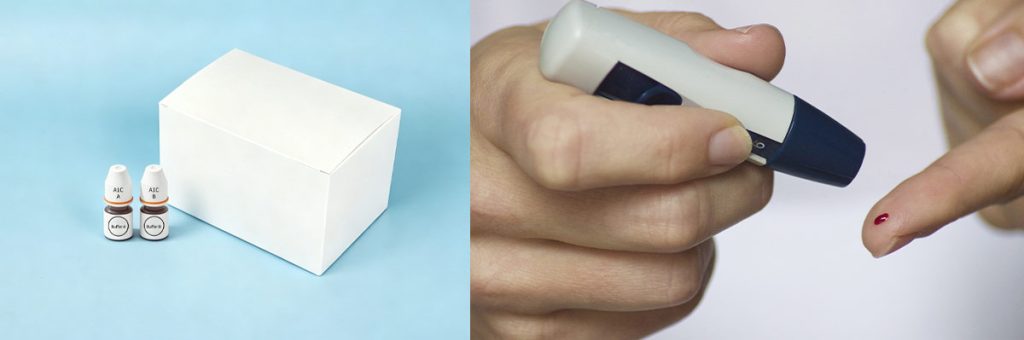
Mail-in lab A1C test kits allow people to check their blood sugar testing levels from home. The process involves three main steps:
- Collect a blood sample using the provided lancet. Place drops on the filter card and let it dry at room temperature.
- Seal the dried card in the protective pouch, complete the paperwork, and mail everything to the laboratory using the prepaid envelope.
- Review the results, which arrive within one to four business days.
This simple process makes home testing kits accessible for many people who want to monitor their diabetes without visiting a clinic.
Accuracy of Mail-In Kits
Mail-in lab A1C test kits have improved in accuracy. When users follow instructions carefully, these kits can match the reliability of in-clinic laboratory tests. Over 93% of people using a home A1C tester received results within 13.5% of lab values. This high level of accuracy supports timely blood sugar testing and helps guide treatment decisions.
Convenience and Turnaround Time
Mail-in lab A1C test kits offer convenience for those who prefer home testing kits. Users collect samples at home and avoid clinic visits. The typical turnaround time for results is about two weeks. Most users feel satisfied with this process, and over 93% say they are likely to discuss their results with a healthcare provider.
| Aspect | Details |
|---|---|
| Turnaround Time | Approximately 2 weeks |
| User Satisfaction | 93.5% likely to discuss results |
Cost and Testing Frequency
The average cost of mail-in lab A1C test kits ranges from $40 to $90. Healthcare providers recommend blood sugar testing every three to four months for people with prediabetes. For those with normal results and no risk factors, annual testing is enough.
- Cost: $40–$90 per kit
- Prediabetes: Test every 3–4 months
- Normal results: Test once a year
Pros and Cons
Mail-in lab A1C test kits provide several advantages and disadvantages. The table below summarizes the main points:
| Pros | Cons |
|---|---|
| Convenience | Potential user errors |
| Speed | Challenges with sample collection |
| Improved access to testing | Need for additional instructions |
Other benefits include early detection and monitoring of key health markers. However, some users may receive poor quality results or misinterpret their blood sugar testing. People should use these kits as a supplement to professional medical care.
Note: Mail-in lab A1C testers help people access important blood sugar testing, but users should always confirm results with their healthcare provider.
Comparing A1C Test Kits: Accuracy and Convenience
Accuracy Side-By-Side
Accuracy remains a top priority for anyone monitoring diabetes. Recent comparative studies show that both instant results and mail-in lab A1C test kits perform well, but differences exist in their precision. The following table highlights how three popular options compare:
| Test Type | % within 5% of Reference | Absolute Difference within 0.3% | Exceeded 0.5% |
|---|---|---|---|
| Home Access | 82% | 75% | 8% |
| CoreMedica | 29% | 28% | 55% |
| A1cNow+ | 46% | 44% | 37% |
Home Access, a mail-in lab kit, shows the highest percentage of results within 5% of reference values. A1cNow+, an instant results device, performs moderately well but does not match the accuracy of Home Access. CoreMedica, another mail-in option, shows lower accuracy in this comparison.
Researchers found that 93.2% of A1C results from the A1CNow SELFCHECK device fell within an acceptable range compared to laboratory values. The correlation between subject values and laboratory results was strong, with an R² value of 0.93. The average variability in results among subjects was 4.57%. These findings suggest that instant results kits like A1cNow+ provide reliable blood sugar testing for most users, but mail-in lab kits may offer greater consistency.
Convenience Compared
Convenience plays a major role in choosing an A1C tester. Instant results kits provide immediate feedback, often within five minutes. Users can perform blood sugar testing at home without waiting for laboratory processing. These point-of-care devices use advanced biosensor technology and require minimal setup.
Mail-in lab kits also support home testing kits, but users must collect a sample, mail it to a certified facility, and wait several days for results. This process suits people who prefer professional laboratory analysis but do not need instant answers.
- Instant results kits: Immediate results, easy to use, portable.
- Mail-in lab kits: Professional analysis, results in several days, no need for clinic visits.
Both options help people avoid frequent clinic appointments and support regular blood sugar testing.
Cost Overview
Cost can influence the choice of A1C tester. Instant results kits usually cost between $25 and $90, depending on the number of tests included. Mail-in lab kits range from $40 to $90 per kit. People with prediabetes or poorly controlled diabetes may need to test more often, which increases overall expenses.
| Kit Type | Average Cost per Kit | Frequency for Prediabetes | Frequency for Well-Controlled Diabetes |
|---|---|---|---|
| Instant Results | $25–$90 | Every 3–4 months | Every 6 months |
| Mail-In Lab | $40–$90 | Every 3–4 months | Every 6 months |
People should consider both the upfront cost and the recommended testing frequency when selecting a kit.
Choosing the Right A1C Test Kit
Selecting the best A1C tester depends on individual needs and preferences. Healthcare professionals recommend understanding the distinct advantages and limitations of each pathway for obtaining A1C measurements. People who value speed and convenience may prefer instant results kits. Those who prioritize laboratory accuracy may choose mail-in lab kits.
- Consider lifestyle and how often blood sugar testing is needed.
- Think about comfort with collecting and mailing samples.
- Review cost and insurance coverage.
- Discuss options with a healthcare provider before making a decision.
Tip: No single A1C tester fits every situation. People should match their choice to their health goals, daily routines, and comfort with home testing kits.
Regular monitoring and consultation with healthcare professionals ensure the most effective diabetes management.
Conclusion
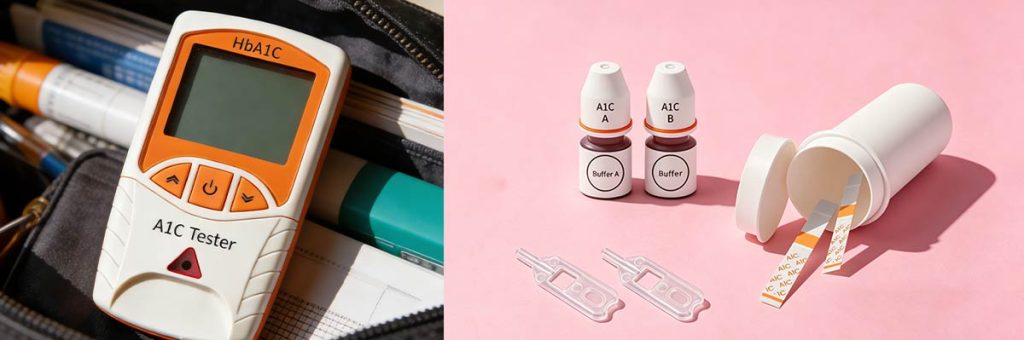
Instant results A1C test kits deliver speed and ease of use, while mail-in lab kits offer higher accuracy for many users. People should weigh their need for immediate feedback against the value of laboratory precision. Regular A1C testing supports effective diabetes management. The table below shows expert recommendations:
| Group | Frequency of A1C Testing |
|---|---|
| Individuals with diabetes | At least twice a year |
| Individuals with prediabetes | Every 1 to 2 years |
They should consult healthcare providers to select the best option for their lifestyle.
FAQ
How Accurate Are Home A1C Test Kits?
Most home A1C test kits meet national standards for accuracy. Instant kits like A1CNow+ show strong correlation with lab results. Mail-in kits often provide even higher accuracy. Users should always confirm results with their healthcare provider.
Can People Use A1C Test Kits Without Medical Training?
Yes. Manufacturers design these kits for easy use at home. Clear instructions guide users through each step. Most people can collect a sample and interpret results without medical training.
How Often Should Someone Test Their A1C At Home?
Testing frequency depends on individual health needs. People with diabetes usually test every three to six months. Those with prediabetes may test every three to four months. Annual testing suits people with normal results.
Do Insurance Plans Cover Home A1C Test Kits?
Some insurance plans cover home A1C test kits. Coverage varies by provider and plan. People should check with their insurance company before purchasing a kit.
What Should Someone Do If Their A1C Result Is High?
A high A1C result signals poor blood sugar control. They should contact their healthcare provider. The provider can review the A1C result, adjust treatment, and offer guidance for better management.