
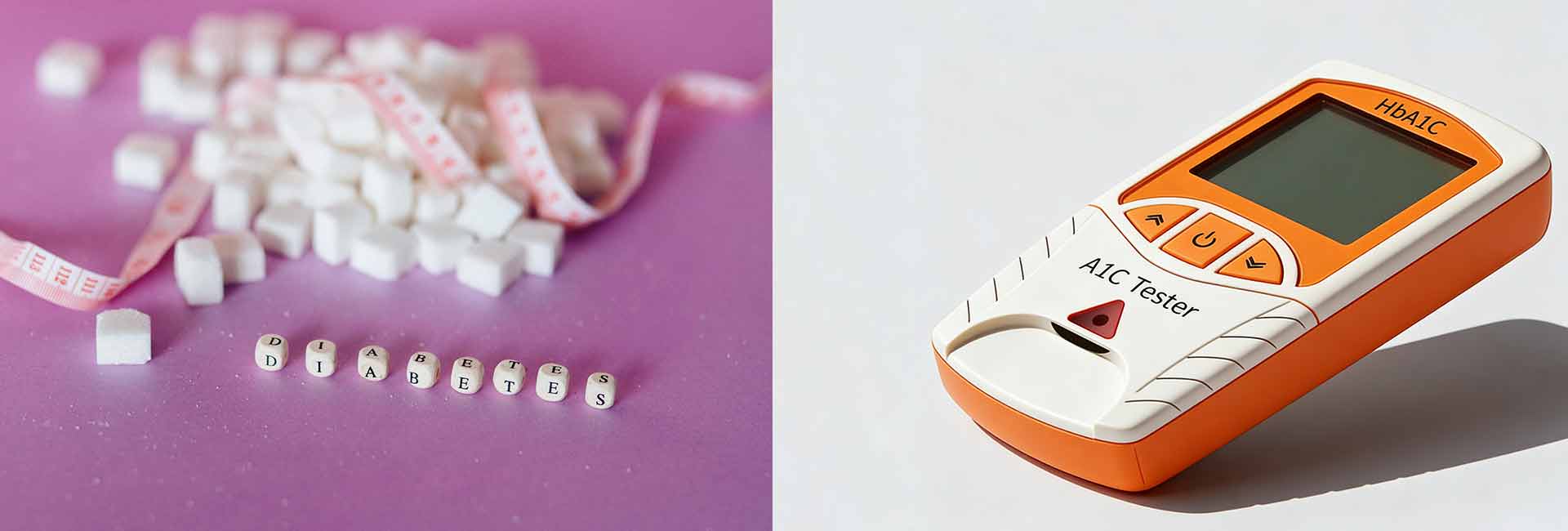
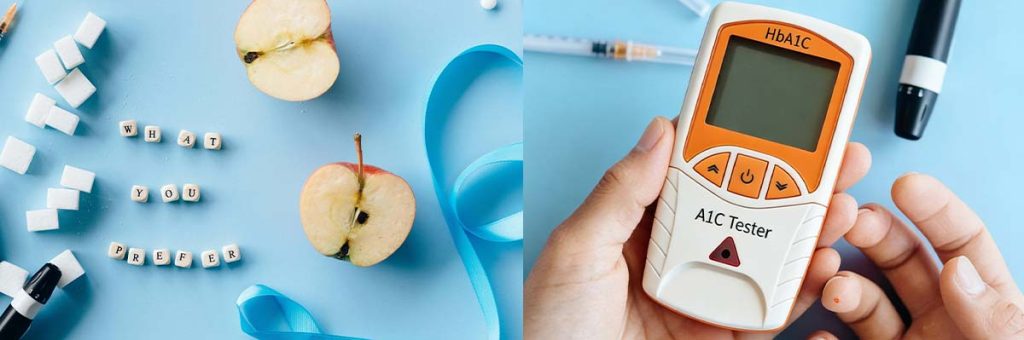


A1C home tester offers several advantages to people managing diabetes. Many individuals appreciate the convenience and privacy that a home A1C tester provides. Users can check their results immediately without scheduling clinic visits. However, accuracy remains a concern. Home tests may produce less reliable results than laboratory methods. A proper sample collection method is essential for trustworthy outcomes. The table below summarizes commonly reported benefits and limitations:
| Benefits | Limitations |
|---|---|
| Convenience | Potential inaccuracies compared to lab tests |
| Cost-effectiveness | Need for proper sample collection |
| Privacy | Regular healthcare provider consultations |
| Immediate access to results |
People should understand how to use a home A1C tester correctly. They should also know when to seek professional testing for more accurate results.
Key Takeaways
- A1C home tester offers convenience, allowing users to check their blood sugar levels without clinic visits.
- Accurate sample collection is crucial for reliable results; always follow the instructions provided with the kit.
- Home A1C testing can help track long-term blood sugar trends, but it should not replace professional lab testing for diagnosis.
- Regular consultations with healthcare providers are essential for interpreting A1C results and making treatment decisions.
- Using A1C home tester empowers individuals to manage their diabetes more effectively and maintain better health.
What Is A1C and Why It Matters?
Understanding A1C
A1C measures the average blood sugar level over the past two to three months. This test examines the percentage of hemoglobin in the blood that has glucose attached to it. Doctors and patients use this value to understand how well blood sugar has been controlled over time. Unlike daily blood glucose checks, A1C offers a broader view of long-term patterns. Many people use an A1C tester at home to track these trends between clinic visits.
Tip: A1C provides a more complete picture of blood sugar control than single fingerstick tests.
A1C levels help identify risks for complications. Research shows that people with diabetes who maintain high A1C levels face a greater chance of developing problems such as retinopathy, nephropathy, and neuropathy. The table below summarizes these risks:
| A1C Level | Complications Associated |
|---|---|
| > 6.5% | Retinopathy |
| > 6.5% | Nephropathy |
| > 6.5% | Neuropathy |
A1C in Diabetes Management
A1C plays a central role in diabetes management. It reflects how well a person’s treatment plan has worked over the last three months. Regular use of an A1C tester can help individuals and healthcare providers decide if changes to medication or lifestyle are needed. The following points highlight the clinical significance of A1C in diabetes care:
- A1C is a critical measure of long-term blood sugar control.
- It provides insights into the effectiveness of diabetes management strategies.
- Regular monitoring of A1C can help in adjusting treatment plans.
- A1C results guide adjustments to diabetes management plans, including medication and lifestyle changes.
- A1C correlates with the likelihood of developing complications more strongly than fasting glucose.
People with diabetes benefit from understanding their A1C results. By using an A1C tester, they gain valuable information to support better health decisions and reduce the risk of long-term complications.
How Home A1C Testing Works?
Types of Over-the-Counter A1C Tests
Over-the-counter A1C tests give people options for monitoring their blood sugar at home. Two main types exist. Point-of-care devices use biosensor technology to deliver results within minutes. Mail-in laboratory services require users to collect a sample and send it to a certified lab. Results arrive in several days. The table below shows the differences in methodology:
| Type of Test | Methodology Description |
|---|---|
| Point-of-Care Devices | Utilize advanced biosensor technology to provide immediate results within minutes, displaying results on digital screens. |
| Mail-in Laboratory Services | Require users to send samples to certified labs for analysis, returning results within several days using standard laboratory equipment. |
Using a Home A1C Tester
A1C testing at home starts with sample collection. Most kits use a fingerstick to collect a small blood sample. The user places the sample on a test strip or in a collection tube. Point-of-care devices analyze the sample and display the A1C result on a screen. Mail-in services instruct users to package the sample and mail it to a lab. The lab sends back the A1C result. People must follow instructions carefully to avoid errors. Proper handling ensures reliable outcomes. A1C tester helps users track their average blood sugar over time.
Tip: Always read the instructions before using home A1C devices. Accurate sample collection improves the reliability of A1C testing.
Comparing Home and Lab A1C Testing
Home A1C testing offers convenience. People can check their A1C without visiting a clinic. FDA-approved at-home A1C tests achieve accuracy levels within 0.5% of laboratory results when used correctly. However, at-home A1C tests may not be as accurate as professional laboratory tests. Laboratories use advanced equipment and strict protocols. Home A1C devices provide useful information for tracking trends, but professional lab testing remains the gold standard for diagnosis and treatment decisions.
- Home A1C testing gives immediate feedback.
- Laboratory A1C testing offers higher reliability and accuracy.
A1C tester supports diabetes management, but users should consult healthcare providers for important decisions.
Benefits of A1C Home Tester
Convenience and Accessibility
A1C home tester offers remarkable convenience for individuals managing diabetes. People can use A1C home test kits without scheduling lab appointments or waiting in long lines. Testing occurs in the comfort of their home, which saves time and reduces stress. Many kits provide immediate readings, while mail-in options deliver lab-quality results without requiring a hospital visit. These features make A1C home tester ideal for those with diabetes or prediabetes.
- No need for lab appointments or waiting in long lines
- Testing in the comfort of home
- Immediate readings or lab-quality results from mail-in kits
- Suitable for diabetes and prediabetes management
A1C home test kits also improve accessibility for individuals in rural or underserved areas. The implementation of point-of-care HbA1c testing in mobile clinics has significantly enhanced access to diabetes testing for vulnerable populations. In one study, 125 individuals received HbA1c results through point-of-care testing, which was previously unavailable to them. This increased access led to improved diabetes management outcomes. At-home HbA1c test kits were completed by 11.1% of participants, resulting in a 4.9% increase in testing rates compared to control groups. Individuals who used these kits and had elevated HbA1c levels experienced a significant reduction in their HbA1c levels over six months. These findings show that A1C home tester and kit are crucial for improving diabetes management in underserved populations.
Note: A1C home tester helps bridge the gap in healthcare accessibility for people living far from medical facilities.
Privacy and Empowerment
A1C home tester provides psychological benefits that support diabetes management. Testing at home enhances privacy and comfort, which can alleviate anxiety and stress related to medical procedures. People feel more empowered when they control their testing schedule and environment. Familiar surroundings contribute to better adherence to testing routines, leading to improved health outcomes. Immediate access to results allows individuals to discuss treatment adjustments with healthcare providers in a timely manner.
- Enhanced privacy and comfort during testing
- Reduced anxiety and stress from medical procedures
- Improved adherence to testing schedules
- Timely discussions with healthcare providers
A1C home tester empowers individuals to take charge of their health. The tester gains confidence by tracking their A1C levels independently. This sense of control encourages proactive diabetes management and supports better communication with healthcare professionals.
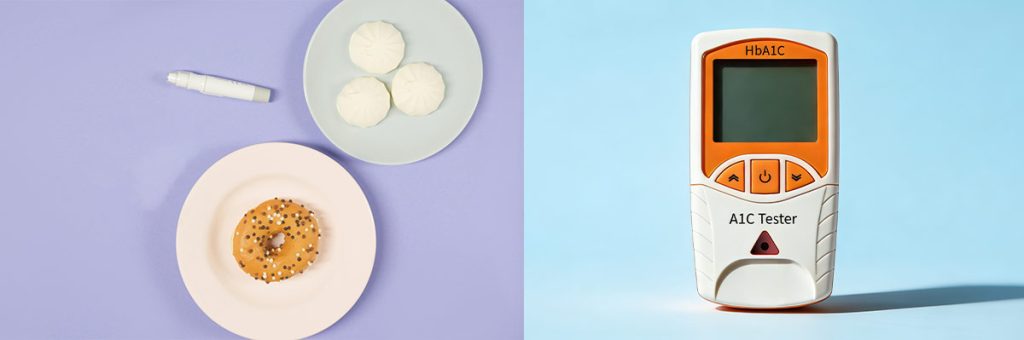
Cost Savings and Fewer Clinic Visits
A1C home tester offers cost savings for people managing diabetes. Many kits are affordable and eliminate the need for frequent clinic visits. Individuals save money on transportation, appointment fees, and time away from work or school. A1C home test kits allow people to monitor their A1C levels regularly without incurring extra expenses.
| Benefit | Description |
|---|---|
| Cost Savings | Affordable kits reduce expenses for diabetes care |
| Fewer Clinic Visits | Home testing decreases the need for appointments |
| Time Efficiency | Testing at home saves time for individuals |
A1C home tester supports ongoing diabetes management by providing frequent, accessible testing. People can track their A1C levels between clinic visits, which helps them stay informed and make better health decisions. The flexibility of home testing encourages consistent monitoring and reduces barriers to care.
Tip: Regular use of A1C home tester can help individuals maintain optimal diabetes control and avoid unnecessary clinic visits.
Limitations of A1C Home Tester
Accuracy and Reliability Issues
A1C tester offers convenience, but they also present challenges with accuracy and reliability. Several factors can influence the results of an A1C home test. Improper sample collection, such as using too little or too much blood, can lead to incorrect readings. If users do not store or handle the test kit as instructed, the chemicals in the kit may not work as intended. This can cause the A1C result to be higher or lower than the true value.
Certain health conditions can also affect the accuracy of A1C results. For example:
- Anemia, especially iron-deficiency anemia, can cause falsely high A1C readings.
- Recent blood transfusions may change the amount of hemoglobin in the blood, which can affect the test.
- Kidney disease and liver disease can interfere with the a1c measurement.
- Changes in red blood cells, such as sickle cell disease or recent blood loss, may impact the reliability of the test.
A1C tester does not always match the precision of laboratory equipment. Laboratories use advanced machines and strict procedures to ensure accuracy. Home tests can help track trends, but they should not replace professional testing for important decisions about diabetes care.
Tip: People should always follow the instructions for their A1C tester and talk to a healthcare provider if they notice unusual results.
Not for Diagnosis or Immediate Decisions
A1C tester is not designed for diagnosing diabetes or making urgent treatment changes. The A1C test shows the average blood sugar over two to three months, but it does not reflect sudden changes. For this reason, doctors do not use home A1C tests to diagnose type 1 diabetes, gestational diabetes, or diabetes related to cystic fibrosis. Some medical conditions can also cause the test to give false results.
The table below highlights why A1C home tests are not suitable for diagnosis or immediate decisions:
| Reason | Details |
|---|---|
| Not for diagnosis | Home A1C tests may give false results in people with certain conditions. |
| Not for immediate treatment changes | A1C reflects long-term averages, not current blood sugar levels. |
| Alternative tests may be needed | Doctors may use other blood sugar tests for accurate diagnosis and urgent care. |
A1C tester can help people with diabetes monitor their long-term control, but only a healthcare provider can diagnose diabetes or decide on urgent treatment changes.
Importance of Proper Use
Proper use of an A1C tester is essential for reliable results. Users must read and follow all instructions in the kit. They should wash their hands before collecting a blood sample and use the correct amount of blood. Storing the kit at the right temperature also helps maintain accuracy. If the tester is expired or damaged, the results may not be trustworthy.
A1C tester can support diabetes management, but they work best when used correctly. People should keep a record of their A1C results and share them with their healthcare provider. If the results do not match how they feel or if they see a sudden change, they should seek advice from a medical professional.
Note: Proper sample collection, storage, and handling are key to getting accurate A1C results at home.
When to Use Home A1C Testing vs. Professional A1C Testing?
Tracking Long-Term Trends
Home A1C testing gives people with diabetes a practical way to monitor long-term average blood glucose levels. Many individuals use A1C tester at home to track their progress between clinic visits. These tests show an acceptable variation of about 0.5% compared to lab results, which means they can help people see if their diabetes management plan works. Bluetooth-connected devices and digital therapeutics have shown clinically meaningful improvements in a1c for those with type 2 diabetes. The table below highlights findings on tracking long-term blood glucose control:
| Evidence Type | Findings |
|---|---|
| A1C Improvement | Clinically meaningful A1C improvements observed with Bluetooth-connected home monitoring. |
| Engagement | Home a1c testing increases accessibility and supports behavior change for better control. |
People who want to find ways to lower A1C can use home A1C testing to see how lifestyle changes affect their results over time.
When to Consult a Healthcare Provider?
Home A1C testing falls short when people need to make important decisions about diabetes care. Individuals should consult a healthcare provider if home A1C results suggest a need for treatment changes. Medical teams can help interpret results and recommend ways to lower A1C safely. The table below shows when to seek professional advice:
| Source | Evidence |
|---|---|
| ADW Diabetes | Home A1C testing can indicate when treatment adjustments are necessary, prompting consultation. |
| Diabetes Strong | Always consult with a medical team before changing diabetes care based on home a1c results. |
People should also reach out to their provider if results do not match how they feel or if they notice sudden changes.
Integrating Home and Lab A1C Testing
Best practices for diabetes management include combining home A1C testing with professional lab testing. Diabetes associations recommend using home a1c testers as a supplement to regular care. The table below outlines key practices:
| Best Practice | Description |
|---|---|
| Use FDA-approved kits | Ensures safety and effectiveness of home A1C testing devices. |
| Proper testing techniques | Includes hand washing, fresh lancets, and correct blood sample collection. |
| Regular consultations with healthcare | Integrates home a1c testing into a comprehensive diabetes management plan. |
- Home A1C testing should not replace daily blood glucose monitoring.
- Consult healthcare professionals to integrate home A1C testing into a diabetes plan.
A1C tester helps people stay in a healthy A1C range, but only professional lab tests confirm diagnosis and guide treatment. Home A1C testing supports ongoing monitoring and empowers people to take control of their diabetes.
Conclusion
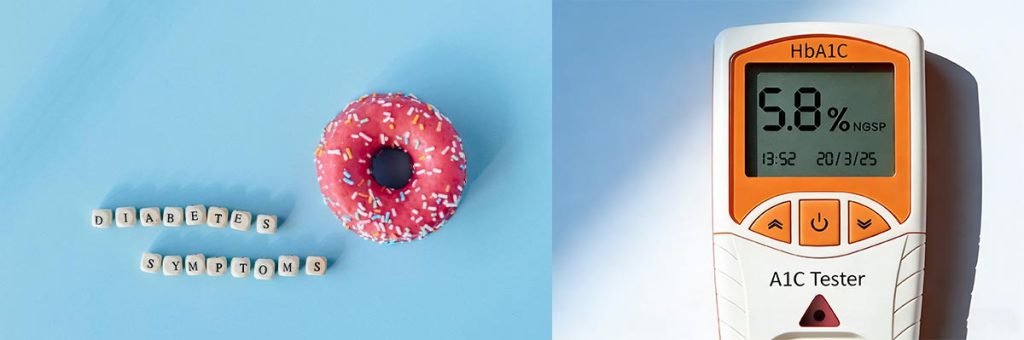
A1C tester offers convenience, privacy, and cost savings for diabetes management. Laboratory A1C testing remains the gold standard for accuracy and treatment decisions. Individuals should use home A1C tester for occasional monitoring and trend tracking. Healthcare professionals provide essential guidance for interpreting results and confirming diagnoses.
| Decision Factor | Recommendation |
|---|---|
| Home A1C Testing | Useful for tracking trends between clinic visits |
| Laboratory A1C Testing | Required for diagnosis and treatment adjustments |
Regular lab testing and professional advice ensure safe and effective diabetes care. Home A1C testers supplement, not replace, professional monitoring.
FAQ
How Often Should Someone Use an A1C Tester at Home?
Most people use an A1C tester every three months. This matches the time frame that A1C measures. A healthcare provider can suggest a different schedule based on individual needs.
Can an A1C Tester Replace Daily Blood Glucose Checks?
An A1C tester cannot replace daily blood glucose checks. Daily monitoring shows short-term changes. The A1C tester tracks long-term trends. Both tools help manage diabetes effectively.
Are Home A1C Testers Safe for Children?
Many A1C testers are safe for children with adult supervision. Parents should read instructions carefully. A healthcare provider can recommend the best option for a child.
What Should Someone Do If Home A1C Results Seem Unusual?
If results from an A1C tester do not match how someone feels, they should contact a healthcare provider. Unusual results may signal a problem with the test or a change in health.