
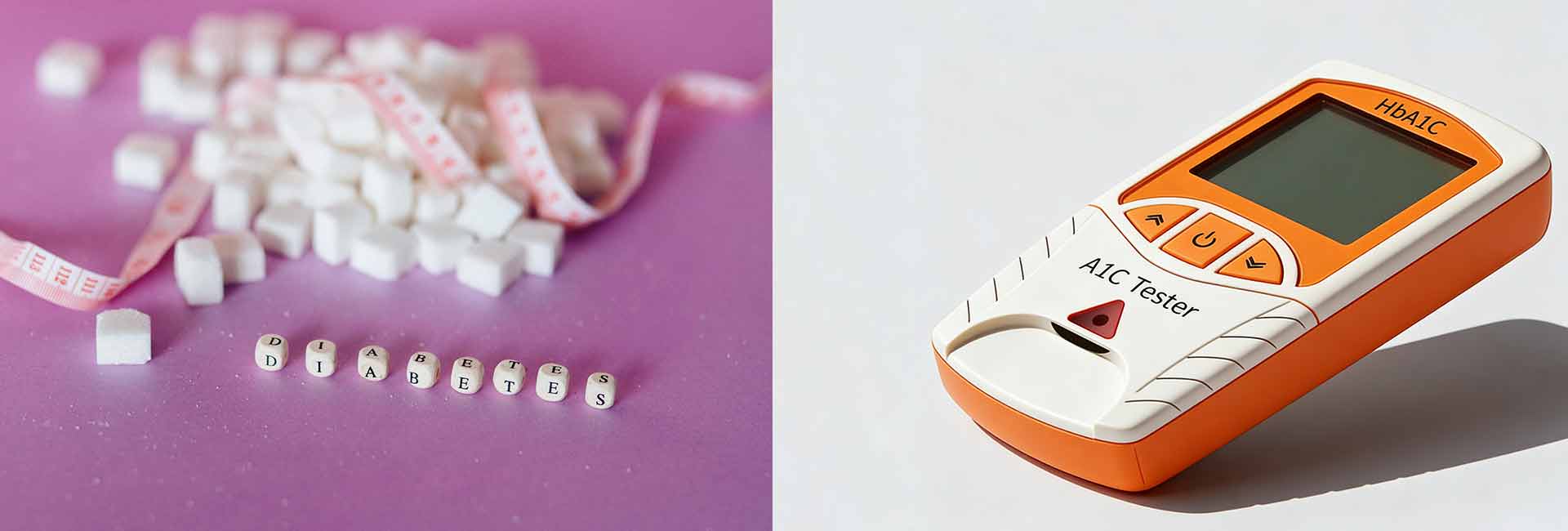
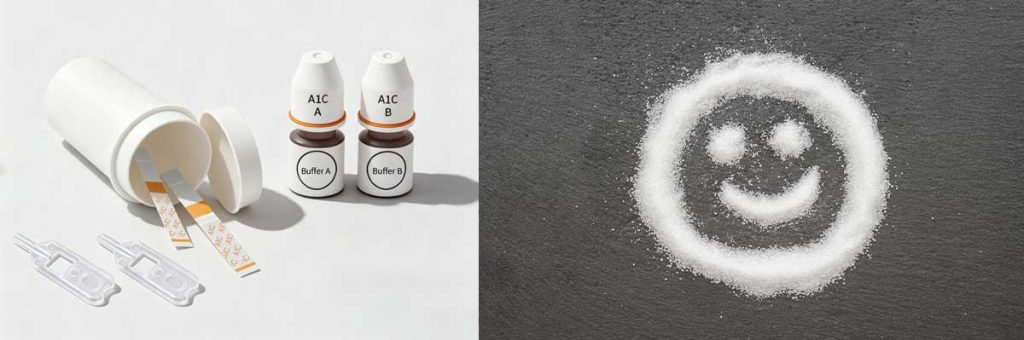


Millions of people use home A1C kits for fast diabetes monitoring. Popular brands like A1C Tester, A1CNow Self Check, OBM rapid A1C, and TRUE+A1CNow™ offer 5-minute results without a lab visit. These kits help people manage their health with quick answers. The growing demand for home A1C test reflects rising diabetes rates worldwide. People choose these kits because they are affordable and easy to use. The table below shows how leading kits compare for speed, accuracy, and simplicity.
| Product Name | Speed | Accuracy | Ease of Use |
|---|---|---|---|
| A1C Tester | 5 minutes | Precision of ±0.5 percentage points | Simple steps |
| A1CNow Self Check | 5 minutes | Precision of ±0.5 percentage points | User-friendly |
| OBM rapid A1C | 5 minutes | Precision of ±0.5 percentage points | Easy process |
| TRUE+A1CNow™ | 5 minutes | Precision of ±0.5 percentage points | Convenient |
Key Takeaways
- Home A1C kits provide results in just five minutes, allowing for quick diabetes management without lab visits.
- Most kits, like A1C Tester and A1CNow Self Check, offer accuracy within ±0.5 percentage points, ensuring reliable readings.
- Prices for home A1C kits range from $35 to over $100, making them an affordable option for regular monitoring.
- Following proper instructions and safety tips enhances the accuracy of test results and ensures user safety.
- Choosing the right kit involves considering factors like ease of use, number of tests, and brand reputation for reliable results.
Home A1C Kits Comparison
Speed and Instant Results
Instant result test kits have transformed diabetes management by delivering results in just five minutes. Users no longer wait days for lab reports. Instead, they can check their A1C levels at home and make timely decisions. All leading home A1C kits, including A1C Tester, A1CNow Self Check, OBM rapid A1C, and TRUE+A1CNow™, provide results within minutes. This speed gives users immediate feedback and supports better daily control.
At-home A1C kits generally take a few days to process after the sample is sent to the lab. Traditional lab tests may take even longer, as they involve sending samples to a laboratory.
Accuracy and Reliability
Accuracy remains a top priority for anyone using instant result test kits. Most home A1C kits, such as A1CNow Self Check and A1C Tester, offer precision within ±0.5 percentage points. Clinical studies support the reliability of these devices.
In the TX STRIDE study, researchers used the A1CNow alongside the DCA Vantage Analyzer to assess reliability and accuracy. Both devices are NGSP certified. The study found that 93.2% of subject a1c values were within the acceptable range of ±13.5% of the laboratory reference value, indicating high accuracy. The study also noted a strong correlation to lab results (R² = 0.93).
Users can trust these kits for consistent results, especially when following instructions carefully.
Price and Value
Price plays a significant role in choosing the right kit. Most at-home A1C kits range from $44 to over $100, depending on the number of tests included. Single test kits can cost as little as $35. The table below compares popular options:
| Kit Name | Price | Cost per Test |
|---|---|---|
| CVS A1C At Home Test Kit | $52.79 | $26.40 |
| Other A1C Kits (Amazon) | $60-$100 | N/A |
| Single Test Kits | $35 | $35 |
At-home A1C kits offer a convenient and affordable way to monitor long-term blood sugar control, making them a valuable tool for many households.
Instant Result Test Kits Reviews
A1C Tester Review
A1C Tester stands out as a leading brand among home A1C kits. This kit offers a real-time home A1C test, delivering results in just five minutes. The device is compact and battery-powered, making it easy to use anywhere. Users appreciate the convenience of testing at home without needing a laboratory visit. The kit requires only a small blood sample, which minimizes discomfort.
The table below summarizes the main advantages and disadvantages reported by users:
| Pros | Cons |
|---|---|
| Can be done in the convenience of your own home | If unfamiliar, it can be difficult to figure out without instructions |
| Small, compact, battery-powered device | Requires a specific sequence of use |
| Easy to use with no maintenance needed | At-home tests may feel less reliable than lab results |
| Displays results in just 5 minutes | Not covered by insurance |
| Uses a small 5-microliter blood sample | May not meet criteria for professional A1C results |
| Decent accuracy compared to laboratory analysis | |
| Different amounts of testing cartridges available for additional tests |
A1C Tester plays a key role in long-term glucose control assessment. Many users value its accessibility and the ability to monitor A1C levels regularly. The kit provides decent accuracy, which supports effective diabetes management. People who use this kit often mention the ease of use and the quick results as major benefits.
A1CNow Self Check Review
A1CNow Self Check is another popular option among home A1C kits. This kit delivers results in five minutes and is designed for user-friendly operation. Clinical evaluations show strong performance, with a slope of 0.97 compared to NGSP reference laboratories and a correlation coefficient of 0.96. The kit demonstrates reproducibility, with a coefficient of variation at 2.7%.
The table below highlights key metrics and user experiences:
| Metric | Value |
|---|---|
| Slope | 0.97 compared to NGSP reference laboratory |
| Intercept | +0.16 with NGSP reference laboratory |
| Mean Bias | Ranged from -0.27 to +0.22% across methods |
| Correlation Coefficient | 0.96 with NGSP reference laboratory |
| Average Bias | -0.04% HbA1c compared to reference laboratory |
| Coefficient of Variation | 2.7% |
| HbA1c Range | 4.1 to 12.1% observed in the study sample |
User feedback shows that 94% of lay subjects rated their experience as “very good” or “excellent.” Most users found the kit easy to operate, though some reported challenges such as finding a flat surface or shaking the vial correctly. The kit provides reliable results for A1C and HbA1c monitoring.
OBM Rapid A1C Review
OBM Rapid A1C offers fast results and straightforward operation. This kit is designed for ease of use, making it suitable for individuals who want to monitor their A1C levels at home. The device provides results within five minutes and requires only a small blood sample. Many users report satisfaction with the accuracy and speed of the kit.
OBM Rapid A1C supports regular hba1c testing and helps users track their long-term glucose control. The kit includes clear instructions, which assist users in obtaining accurate results. People who use this kit often mention its reliability and the convenience of testing without a laboratory.
Tip: OBM Rapid A1C works best when users follow the instructions carefully and ensure the sample is collected properly.
TRUE+A1CNow™ Review
TRUE+A1CNow™ is recognized for its portability and ease of use. The kit allows testing in various settings, including doctor’s offices and pharmacies. It requires only a minimal blood sample, ranging from 2 to 10 microliters, which can be collected from a finger stick. Users do not need trained personnel to operate the kit.
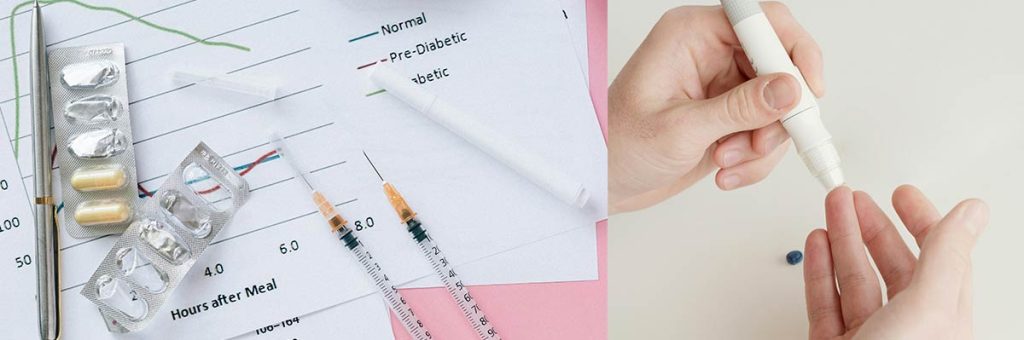
The main features and limitations are summarized below:
- Portability enables testing in multiple locations.
- Minimal sample requirements make the process comfortable.
- Simple operation allows users to perform tests without professional assistance.
However, TRUE+A1CNow™ may offer lower accuracy compared to laboratory testing. Potential biases can occur due to lack of rigorous quality oversight in waived testing settings. Facilities performing waived tests do not require proficiency testing, which can lead to inaccurate results.
TRUE+A1CNow™ provides a convenient solution for A1C and HbA1c monitoring. Many users appreciate the flexibility and speed of the kit, though they should remain aware of possible limitations in accuracy.
Note: TRUE+A1CNow™ is best suited for quick checks and routine monitoring, but users should confirm critical results with laboratory tests when necessary.
How to Use Home A1C Kits?
Step-By-Step Guide
Home A1C kits simplify home testing for A1C, making the process accessible to many users. Most kits follow a similar sequence, though some differences exist among brands. The steps below outline the typical procedure for point-of-care home testing:
- Prepare the testing area and gather all kit components, including the analyzer, lancet, blood collector, and cartridge.
- Wash hands thoroughly to ensure cleanliness and reduce contamination risk.
- Use the lancet to prick a finger and obtain a small blood sample.
- Collect the blood using the provided collector or tube.
- Insert the blood collector into the shaker and mix for several seconds, as directed by the kit instructions.
- Open the test cartridge and place it into the analyzer.
- Wait for the device to process the sample and display the A1C result, usually within five minutes.
Some kits may require users to collect the sample on a card or tube and mail it to a laboratory. However, most home A1C kits featured here provide instant results through HbA1c testing.
Tips for Best Results
Proper technique and attention to detail help users achieve accurate a1c readings during home testing. Manufacturers and healthcare professionals recommend several best practices:
- Wash hands thoroughly before collecting a blood sample.
- Use a fresh lancet for each test to prevent infection and ensure reliable results.
- Collect an adequate blood sample to avoid errors in the A1C measurement.
- Store all kit materials according to manufacturer guidelines to maintain their effectiveness.
- Dispose of used lancets and needles in approved sharps containers.
“These A1C tests generally provide results that are close to those obtained in a clinical or laboratory setting. However, factors such as improper sample collection, storage and handling can affect accuracy.” – Dr. Chavez-Velasquez
The table below summarizes important safety considerations for home testing:
| Safety Consideration | Description |
|---|---|
| Single-use devices | Use auto-disabling fingerstick devices to prevent cross-contamination. |
| Individual use | Restrict fingerstick devices and meters to one person. |
| Proper disposal | Dispose of used lancets in sharps containers. |
| Cleaning protocols | Clean and disinfect meters after each use. |
| Hand hygiene | Perform hand hygiene after removing gloves. |
Home A1C kits empower users to monitor their A1C levels quickly and safely. Following these steps and tips ensures reliable results and supports effective diabetes management.
A1C and HbA1c Test Accuracy
Lab Vs. Home Test Comparison
Home A1C kits have made testing your hba1c levels accessible for many people. Laboratory A1C tests use advanced equipment and trained professionals. Home kits allow individuals to check their HbA1c at home, offering results within minutes. Studies show that these kits provide high accuracy. In one study, 93.2% of a1c values from a home kit matched laboratory values within ±13.5%. Regression analysis revealed a strong correlation between home and lab results, with an R² value of 0.93. The table below highlights key differences:
| Aspect | Home A1C Kits | Laboratory A1C Tests |
|---|---|---|
| Testing Process | Self-administered | Conducted by healthcare professionals |
| Accuracy | 93% within 13.5% of lab value | Generally considered highly accurate |
| User Experience | High confidence reported by users | Professional interpretation provided |
FDA Approval And Certifications
Regulatory approval ensures the reliability of HbA1c test kits. The FDA has approved several home A1C kits for over-the-counter use. Certification under NGSP criteria confirms their accuracy. For example, the A1CNow SELFCHECK kit received NGSP certification in 2010, meeting the ±0.75% a1c accuracy standard. The table below summarizes approval status:
| A1C Kit Name | FDA Approval Status | Certification Details |
|---|---|---|
| A1CNow SELFCHECK | Approved for over-the-counter use | 2010 NGSP certification with ±0.75% A1C accuracy |
User Feedback
User testimonials and published data reveal consistent results from home A1C kits. Many users report that their HbA1c test results closely match laboratory values. Over 93% of users had A1C results within 13.5% of lab values. Some individuals noticed slight differences, with home kit results sometimes higher than lab results. Most users appreciate the convenience of monitoring blood sugar levels and HbA1c at home. They value the ability to track A1C test results regularly. Home kits help people manage blood sugar levels and support long-term health.
Home A1C kits empower users to monitor HbA1c, providing results within minutes and supporting effective diabetes management.
Buying Guide for Home A1C Kits
Choosing the Right Kit
Selecting the best kit for monitoring A1C at home depends on several factors. Individuals should first consider how often they plan to check their A1C. Some people need to test hba1c every few months, while others may require more frequent checks. Kits that include multiple tests offer better value for those who monitor A1C regularly.
Ease of use matters for many users. A kit with clear instructions and simple steps helps reduce errors. People should look for home A1C kits that require only a small blood sample. Compact devices fit easily in a medicine cabinet or travel bag. Brand reputation also plays a role. Trusted brands often provide reliable results and good customer support.
The following table highlights important factors to compare:
| Factor | Why It Matters |
|---|---|
| Number of tests | More tests mean better value |
| Sample size | Smaller samples increase comfort |
| Instructions | Clear steps reduce mistakes |
| Brand reputation | Trusted brands offer reliability |
Tip: Reading user reviews can help people learn about real experiences with different kits.
Budget and Insurance
Cost remains a key concern for many families. The price of A1C kits varies based on the number of tests and the brand. Some kits cost less per test when purchased in larger packs. People should compare the cost per test to find the best deal.
Insurance coverage for home A1C kits is limited. Most insurance plans do not cover these kits, so users pay out of pocket. Setting a budget helps individuals choose a kit that fits their needs without overspending. People should also consider shipping costs if ordering online.
Note: Monitoring blood sugar levels with a home kit can help prevent complications and reduce long-term healthcare costs.
Choosing the right kit supports effective management of A1C. People who invest in reliable home A1C kits can track blood sugar levels and make informed decisions about their health.
Conclusion
Home A1C kits deliver instant results and simplify diabetes management. A1C Tester stands out as a trusted brand, offering a reliable kit for regular A1C monitoring. Individuals gain control over management by testing on their own schedule. These kits help those with mobility challenges and reduce anxiety linked to medical visits. Immediate access to A1C results supports timely discussions with healthcare providers. Real-time testing enables quick insights into management and encourages consistent patterns. People can purchase a kit, follow instructions, and consult their provider for ongoing diabetes management.
Taking charge of A1C management at home leads to improved outcomes and greater confidence.
FAQ
How Accurate Are Home A1C Kits?
Most home A1C kits show accuracy within ±0.5 percentage points. Clinical studies confirm strong correlation with laboratory results. Users achieve reliable readings by following instructions carefully.
Can Teens Use Home A1C Kits Safely?
Teens can use home A1C kits safely with adult supervision. The kits include clear instructions. Proper handling of lancets and disposal of sharps ensures safety.
What Should Users Do If Results Seem Unusual?
Users should repeat the test and check instructions. If results remain unusual, they should contact a healthcare provider. Consistent abnormal readings may require professional evaluation.
How Often Should Someone Test Their A1C At Home?
Most people test their A1C every three months. Some may need more frequent checks based on medical advice. Regular testing helps track long-term glucose control.
Are Home A1C Kits Covered By Insurance?
Most insurance plans do not cover home A1C kits. Users pay out of pocket. Comparing prices and buying larger packs can reduce costs.