
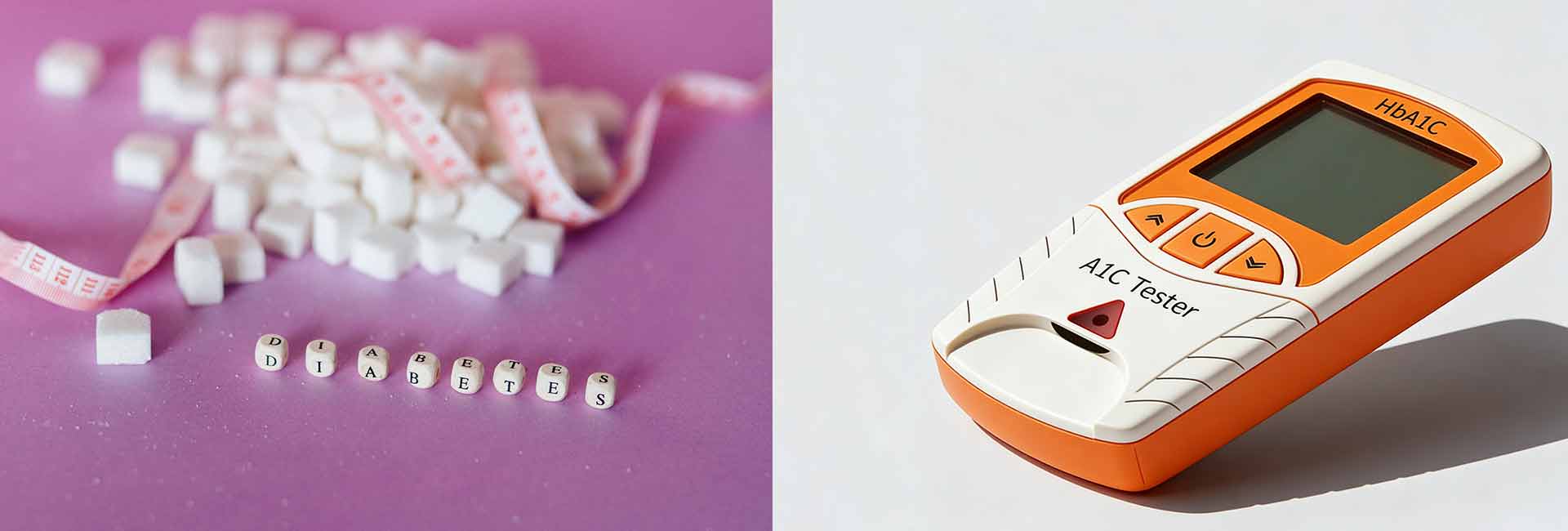


People often wonder if they need to follow fasting rules before an A1C test. The answer is no. The A1C test checks average blood sugar levels over the past three months. This test helps doctors monitor diabetes and make treatment decisions. Patients can eat and drink as usual before the A1C test. Unlike some blood tests for diabetes, only a few require fasting.
Tip: Eating breakfast or lunch before the test will not affect the A1C result.
Key Takeaways
- Fasting is not required before an A1C test. You can eat and drink normally before the test.
- The A1C test measures average blood sugar levels over the past two to three months, so one meal won’t affect the results.
- Patients can schedule the A1C test at any time of day, making it convenient for diabetes management.
- Bring a list of medications and health changes to your appointment to help your healthcare provider.
- Regular A1C testing helps track diabetes management and can guide treatment decisions.
A1C Test Fasting Required
Why Fasting Is Not Needed?
Many people ask if fasting is necessary before an A1C test. The answer is simple: fasting is not needed. The A1C test measures the average blood glucose level over the past two to three months. This long-term view means that eating or drinking before the test does not affect the results. Even if someone eats a high-sugar meal before the appointment, the A1C test will still reflect their overall glucose control, not just what they ate that day.
Note: The A1C test can be done at any time of day. There is no need to skip meals or change your routine.
Major diabetes organizations agree that fasting is not required for the A1C test. Blood can be drawn whenever it is convenient. The test looks at the percentage of hemoglobin in the blood that has glucose attached. This process, called glycation, happens slowly over the lifespan of red blood cells, which usually live for about 8 to 12 weeks. Because of this, a single meal or snack does not have a big impact on the test results.
- Fasting is not required for the A1C test because it measures average blood glucose levels over two to three months, not just one day.
- A high A1C result is not caused by one meal. It shows a pattern of blood sugar control over time.
- Eating a sugary breakfast or lunch before the test will not change the outcome, since it only affects a small part of the measurement period.
- The A1C test measures accumulated glycation, which makes it different from tests that require fasting.
How the A1C Test Works?
The A1C test, also known as the HbA1c test, checks how much glucose has attached to hemoglobin in the blood. Hemoglobin is a protein in red blood cells that carries oxygen. When glucose builds up in the blood, it sticks to hemoglobin. The more glucose in the blood, the higher the percentage of glycated hemoglobin.
The test result shows the average blood glucose level over the past two to three months. This is because red blood cells live for about 8 to 12 weeks. The A1C test gives doctors a clear picture of how well someone has managed their diabetes or prediabetes over time. It helps identify people at risk for complications and guides treatment decisions.
The table below compares the A1C test to a fasting glucose test:
| Feature | Fasting Glucose Test | A1C Test |
|---|---|---|
| Measures | Blood sugar at one moment | Average blood sugar over 2–3 months |
| Fasting Required | Yes (8 hours) | No |
| Best For | Screening and diagnosis | Long-term monitoring |
The A1C test does not require fasting, unlike many other blood tests. It provides a long-term view of glucose control, independent of recent dietary intake. The glycation process occurs continuously, so the results reflect average glucose levels over weeks, not hours.
The HbA1c test is a valuable tool for managing diabetes and reducing the risk of complications. It helps patients and doctors track progress and make informed choices. By understanding how the A1C test works, people can feel confident that their results are accurate, no matter what they eat before the test.
Preparing for Your A1C Test
What to Expect on Test Day
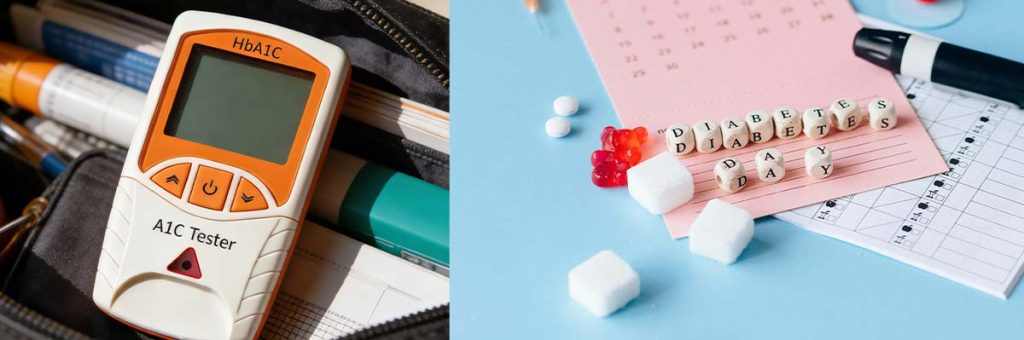
Many people feel nervous before a medical test. The A1C test offers a simple process. On test day, a healthcare professional will use an A1C tester to collect a small blood sample. This usually happens with a quick finger prick or a blood draw from the arm. The procedure takes only a few minutes. Most clinics do not require an appointment for this test, so patients can visit at a convenient time.
The A1C test does not require fasting. People can eat breakfast, lunch, or snacks before their appointment. The timing of the blood draw does not affect the results. The A1C test measures the average glucose level over several weeks. This makes the test less sensitive to recent meals or activities. Patients with diabetes often appreciate the flexibility of this test.
Tip: Bring a list of current medications and recent health changes to share with the healthcare provider.
Eating and Drinking Guidelines
Patients do not need to change their eating or drinking habits before the A1C test. They can drink water, coffee, or juice as usual. The test does not react to short-term changes in glucose. The A1C tester checks the percentage of glucose attached to hemoglobin, which reflects the blood glucose level over time.
Here are simple steps to prepare for the A1C test:
- Eat and drink as usual before the appointment.
- Take prescribed diabetes medications as directed.
- Arrive at the clinic at any time of day.
- Inform the staff about any recent illnesses or changes in routine.
The A1C test helps doctors monitor diabetes and adjust treatment plans. The results give a clear picture of long-term glucose control. Patients should feel confident that their daily meals will not affect the accuracy of the test.
A1C Test vs Other Tests
Fasting Required for Other Tests
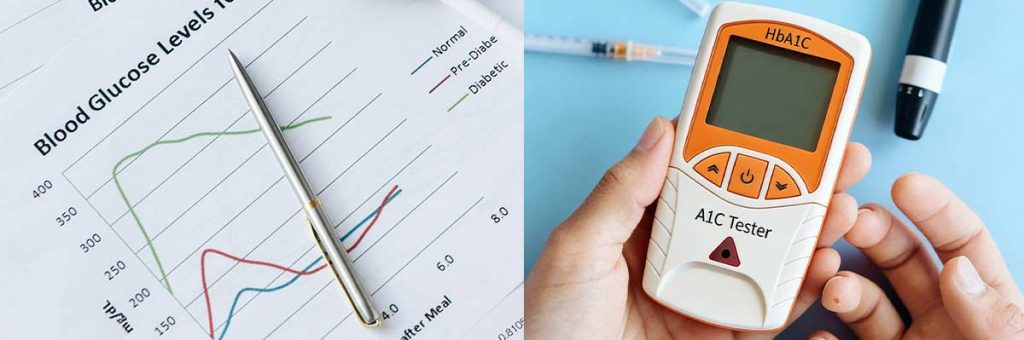
Many people believe that all blood sugar tests require fasting. This is not true. The A1C test stands out because fasting is not required. Other common blood tests, such as the fasting glucose test and the triglyceride test, do require patients to avoid food and drink for several hours. These tests measure immediate changes in blood sugar or fat levels, which can fluctuate after eating.
The table below highlights the differences in fasting requirements and purposes:
| Blood Test Type | Fasting Requirement | Purpose |
|---|---|---|
| Glucose Test | Yes (8 hours) | To check for diabetes or monitor treatment effectiveness. |
| Triglyceride Test | Yes (10-12 hours) | To measure the concentration of fatty particles in the bloodstream. |
| A1C Test | No | To reflect average blood sugar levels over the previous three months, not affected by fasting. |
The A1C test offers more convenience. Patients can schedule the test at any time of day. This flexibility helps those managing diabetes or prediabetes keep track of their risk without disrupting daily routines.
HbA1c Test Differences
The HbA1c test, also called the A1C test, measures the average blood sugar level over the past two to three months. In contrast, fasting blood glucose tests capture a single moment in time. The HbA1c test provides a better picture of long-term risk for diabetes complications.
Here is a comparison of key features:
| Feature | A1C Test | Fasting Blood Glucose Test |
|---|---|---|
| Measurement Timeframe | Long-term (average over past few months) | Short-term (specific moment) |
| Purpose | Assess overall glycemic control | Diagnose diabetes and monitor treatment |
| Influence of Factors | Less affected by short-term fluctuations | Can be influenced by stress, illness, meals |
| Accuracy | Very accurate for long-term blood sugar levels | Immediate results, but may not reflect overall control |
| Common Use | Ongoing diabetes management | Initial diagnosis and short-term monitoring |
The A1C test does not require fasting, which increases accessibility for patients. It is generally more convenient than fasting glucose tests, though it may cost slightly more. The HbA1c test helps doctors and patients understand risk and track results over time. This makes it a valuable tool for managing diabetes and reducing the risk of complications.
Special Instructions and Exceptions
When Your Doctor May Advise Fasting?
Most people do not need to fast before an A1C test. However, a healthcare provider may sometimes give different instructions. For example, a doctor may order other blood tests along with the A1C test. Some of these tests, such as cholesterol or fasting glucose, may require fasting. In these cases, the provider will explain if fasting is required. People at risk of diabetes or those with symptoms of diabetes may need additional tests for a complete diabetes diagnosis. If a doctor suspects conditions that could affect the accuracy of the HbA1c test, such as certain blood disorders, they may recommend special preparation.
Note: Always follow the instructions given by your healthcare provider, especially if you have other health conditions or are managing diabetes with multiple medications.
Other Important Tips
Doctors recommend several steps to support diabetes care and improve A1C results. These tips help people at risk of diabetes, those with prediabetes, and anyone managing diabetes:
- Exercise regularly to help control blood sugar.
- Lose weight if needed to lower the increased risk of diabetes.
- Watch portion sizes and count carbohydrates.
- Take medications as prescribed and on time.
- Test blood sugar daily to track patterns.
- Manage stress to support healthy blood glucose.
- Sleep 7-8 hours each night for better diabetes care.
- Get flu and pneumonia shots to avoid infections.
- Inform the lab technician about any conditions that could affect the HbA1c test.
- Schedule A1C tests at consistent times of day for reliable results.
People using an at-home A1C test should read all instructions carefully. They should also report any unusual symptoms of diabetes to their healthcare provider. Testing for diabetes and monitoring average blood glucose helps guide diabetes care and treatment. Good habits support better results and long-term health.
Conclusion
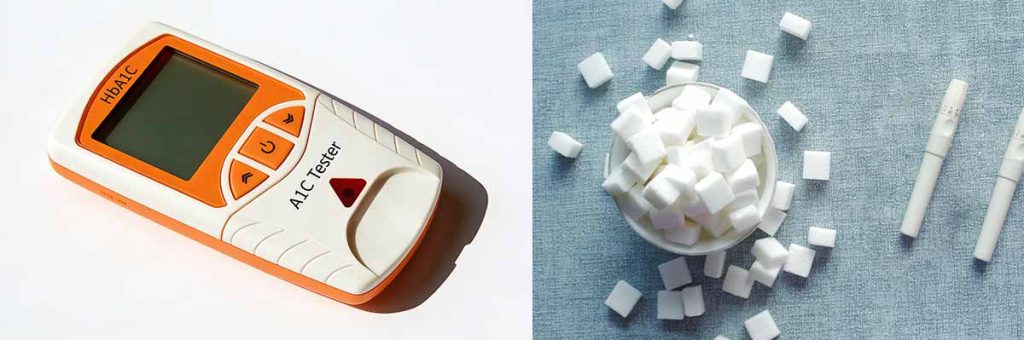
Fasting is not required before an A1C test. The A1C test offers patients flexibility and convenience. They can schedule appointments without changing daily routines, eat normally, and monitor diabetes management with ease.
- Patients benefit from no fasting or special preparation.
- Regular monitoring becomes easier.
- A single meal does not affect results.
The A1C test provides accurate results.
| Evidence Description | Source Link |
|---|---|
| A1C test results are less affected by external factors like temperature and sample handling compared to fasting and OGTT tests. | NIDDK |
| New quality-control standards have improved the precision of A1C test results, reducing the variability in repeated measurements. | NIDDK |
| The A1C test provides an average of blood sugar control over two to three months, offering a comprehensive view of glucose levels. | Shield Medical Group |
| A1C test results are less influenced by short-term fluctuations in blood sugar, making it a reliable measure over time. | Diabetes Digital |
The convenience of the A1C test improves patient satisfaction and health outcomes. Patients should follow their doctor’s instructions, ask questions about what do my HbA1c results mean, and report symptoms of diabetes. They can feel confident about their appointment and ongoing care.
FAQ
Can Someone Eat or Drink Before an A1C Test?
They can eat or drink as usual before an A1C test. Food or beverages do not affect the results because the test measures average blood sugar over several months.
How to Read A1C Test Results?
Doctors provide a percentage value. Lower percentages show better blood sugar control. For example, a result below 5.7% is normal, 5.7% to 6.4% means prediabetes, and 6.5% or higher suggests diabetes.
What Do My HbA1c Results Mean?
Results reflect average blood sugar levels over two to three months. Higher values indicate poor control and increased risk of complications. Lower values show better management of diabetes or prediabetes.
Is the A1C Test Accurate for Everyone?
Certain conditions, such as anemia or recent blood loss, may affect accuracy. Doctors may recommend other tests if they suspect these issues.
How Often Should Someone Get an A1C Test?
Doctors usually recommend the test two to four times per year for people with diabetes. Those without diabetes may need it less often, based on risk factors.