


Many clinics prefer immunoassay A1C analyzers for point-of-care testing because these devices offer fast results and simple operation. Boronate affinity A1C tester systems use a chemical binding method, while immunoassay models rely on antibodies to detect hemoglobin A1C. Each method shows different strengths in accuracy and reliability. Selecting the right A1C tester impacts workflow, patient care, and clinical confidence.
Key Takeaways
- Boronate affinity analyzers use a chemical method to measure A1C, providing straightforward results for clinics.
- Immunoassay A1C analyzers rely on antibodies, offering rapid results and simplifying workflow for healthcare providers.
- Accuracy is crucial; both types of analyzers must be evaluated for reliability in different patient populations.
- Clinics should consider cost and maintenance when selecting A1C testers to ensure efficient operations.
- Choosing the right A1C analyzer can significantly impact patient care and treatment decisions in diabetes management.
A1C Analyzers: Boronate Affinity vs. Immunoassay
How Boronate Affinity Works?
Boronate affinity A1C analyzers use a chemical process to measure A1C. The boronate affinity method relies on the interaction between boronic acid and cis-diol groups in glycated hemoglobin. This process enables selective binding of glycated hemoglobin, which helps separate it from non-glycated hemoglobin. The analyzer then measures the ratio of glycated to non-glycated hemoglobin. This ratio is essential for accurate A1C determination. Many clinics choose this A1C tester for its straightforward approach.
- Boronic acid interacts with cis-diol groups in glycated hemoglobin.
- Selective binding separates glycated from non-glycated hemoglobin.
- The ratio of glycated to non-glycated hemoglobin determines A1C.
How Immunoassay Works?
Immunoassay A1C analyzers use antibodies to detect A1C. The immunoassay method utilizes antibodies that specifically bind to glycated amino acids on hemoglobin. This approach takes advantage of the structural differences in hemoglobin to accurately measure A1C levels. Immunoassay A1C testers often deliver rapid results and require minimal sample preparation. Many clinics prefer immunoassay A1C analyzers for point-of-care testing because they simplify workflow.
Accuracy and Precision of A1C
A1C analyzers must meet strict accuracy standards. Clinical trials show that some boronate affinity A1C analyzers, such as the Afinion 2, meet IFCC criteria and deliver consistent results. The table below compares accuracy and precision:
| Device | IFCC Criteria Met | CVs in NGSP Units | CVs in IFCC Units |
|---|---|---|---|
| Afinion 2 | Yes (>4σ) | ≤2.0% | ≤3.0% |
| Other Devices | No | Varies | Varies |
Immunoassay A1C analyzers also show high precision. However, boronate affinity methods may underestimate A1C in patients with poor glycemic control. Both types of A1C tester must be evaluated for accuracy in each clinical setting.
Interference and Limitations
A1C analyzers face challenges from biological interferences. Boronate affinity A1C analyzers can be affected by elevated levels of fetal hemoglobin and different hemoglobin variants, which may lead to inaccurate results. In point-of-care A1C testing, it is difficult to determine if a patient has a hemoglobin variant or increased fetal hemoglobin, which can cause errors.
| Source of Interference | Description |
|---|---|
| Elevated HbF levels | Can interfere with A1C results in various methods, including boronate affinity. |
| Hemoglobin variants | May cause inaccuracies in A1C results, but the extent varies by method. |
- Elevated levels of fetal hemoglobin (HbF)
- Various hemoglobin variants
Immunoassay A1C analyzers also face interference from hemoglobin variants (HbC, HbS, HbE, HbD), elevated fetal hemoglobin, and lipemia. Manufacturers are developing hba1c methods that minimize these interferences. Hemoglobin variants can interfere with the accuracy of both boronate affinity chromatography and immunoassay A1C analyzers. In boronate affinity chromatography, variant hemoglobins may not significantly affect analytical values, but their presence is undetected, which can lead to misinterpretation of red blood cell lifespan. Immunoassays rely on antibody interactions with glycated hemoglobin, and the presence of variants can alter the expected signal, potentially leading to inaccurate HbA1c measurements. In patients with conditions affecting red blood cell lifespan, such as anemia or hemolytic disorders, A1C results can be misleading. Increased RBC lifespan can falsely elevate A1C levels, while decreased survival can lead to falsely low levels. This variability highlights the importance of understanding how hemoglobin variants impact the accuracy of HbA1c methods.
- Hemoglobin variants (HbC, HbS, HbE, HbD)
- Elevated fetal hemoglobin (HbF)
- Lipemia (especially in photometric-based methods)
Cost and Maintenance
Clinics must consider cost and maintenance when choosing A1C analyzers. Entry-level point-of-care A1C testers cost between $1,500 and $3,000, with a per-test cost ranging from $3 to $10. Midsized clinical models range from $4,000 to $8,000, and high-end laboratory systems can cost $10,000 to $25,000 or more. Both boronate affinity and immunoassay A1C analyzers fall within these ranges. Maintenance needs depend on the complexity of the device. Immunoassay A1C testers often require less frequent calibration and simpler upkeep. Boronate affinity A1C analyzers may need regular cleaning and quality checks. Clinics should weigh these factors when selecting hba1c methods for point-of-care use.
| Analyzer Type | Average Cost Range | Per-Test Cost Range |
|---|---|---|
| Entry-Level POC Analyzers | $1,500–$3,000 | $3–$10 |
| Midsized Clinical Models | $4,000–$8,000 | $3–$10 |
| High-End Laboratory Systems | $10,000–$25,000+ | $3–$10 |
Tip: Clinics should review both the upfront cost and ongoing maintenance needs before choosing an A1C tester. This ensures reliable results and efficient workflow.
HbA1c Testing in Point-of-Care Settings
Ease of Use and Workflow
Clinics value A1C testers that simplify workflow. Boronate affinity A1C analyzers often provide high ease of use for non-laboratory staff. Many devices, such as the Cobas b 101, allow staff to operate the tester with minimal steps. Immunoassay A1C analyzers require moderate effort and sometimes involve more sample preparation. Both types deliver similar results, but point-of-care systems are favored for their user-friendly design.
| Feature | Boronate Affinity A1C Analyzers | Immunoassay A1C Analyzers |
|---|---|---|
| Ease of Use | High | Moderate |
| Instantaneous Results | Yes | No |
| Cost | Low | Moderate |
| Reproducibility | High | Variable |
Tip: Clinics can improve workflow by choosing an A1C tester that offers simple operation and quick results.
Training and Portability
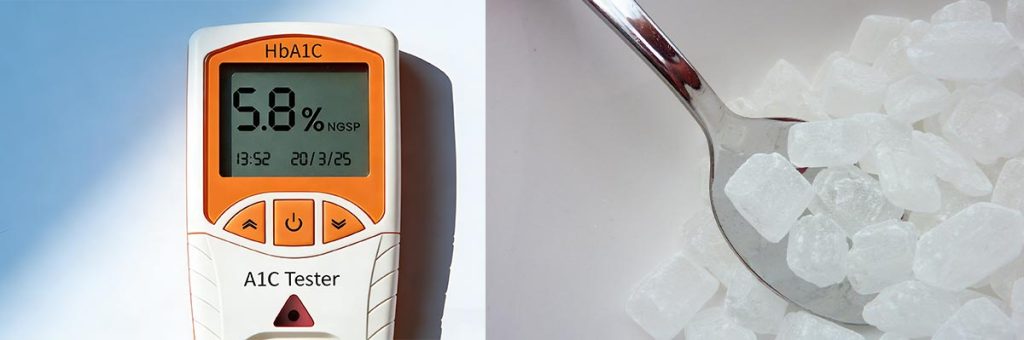
Healthcare teams need A1C testers that require minimal training. Boronate affinity and immunoassay A1C analyzers both offer compact designs. Portable A1C testers enable patients and providers to monitor glycemic control in remote areas. These analyzers are user-friendly and effective in resource-limited settings. Advancements in technology have made both types reliable and easy to use.
- Portable A1C testers support home monitoring for patients in remote locations.
- Compact analyzers fit well in mobile clinics and small practices.
- User-friendly interfaces reduce training time for staff.
Note: Portable A1C testers help expand access to diabetes care in underserved communities.
Throughput and Speed
Clinics often need rapid results from A1C testers. Boronate affinity analyzers can deliver instantaneous results, which supports fast decision-making. Immunoassay A1C analyzers may require more time for processing. High-throughput models, such as the Roche Cobas c513, analyze up to 50 samples in 17 minutes. The Cobas 8000 c502 processes 50 samples in 40 minutes. Clinics should select an A1C tester based on their patient volume and need for speed.
| Analyzer | Turnaround Time (min) | Samples Analyzed |
|---|---|---|
| Roche Cobas c513 | 17 | 50 |
| Cobas 8000 c502 | 40 | 50 |
Clinics benefit from A1C testers that combine speed and reliability, especially in busy point-of-care settings.
Clinical Impact of Hemoglobin A1C Methods
Patient Outcomes
The choice of A1C tester influences patient outcomes in diabetes care. Clinics rely on hemoglobin A1C measurements to guide treatment decisions. Immunoassay methods deliver rapid results, which helps providers adjust therapy quickly. Boronate affinity analyzers sometimes underestimate HbA1c values in patients with severe hyperglycemia. This difference can affect clinical decision-making and lead to changes in medication or lifestyle advice. Laboratories consider method performance, patient population, and cost when selecting an A1C tester. Reliable hemoglobin A1C results support better glycemic control and reduce complications.
- Immunoassay methods offer specificity and speed, improving diabetes management.
- Boronate affinity analyzers may show lower hba1c values in certain patients.
- Clinics adjust treatment strategies based on the reliability of hemoglobin A1C results.
Regulatory and Quality Considerations
Regulatory standards ensure the accuracy and reliability of hemoglobin A1C testing. All point-of-care A1C testers must be NGSP certified. Devices must comply with CLIA requirements for waived tests. These standards allow clinics to use A1C testers without highly trained personnel. Both boronate affinity and immunoassay methods meet NGSP certification. Clinics trust these devices to deliver consistent HbA1c values. Quality control procedures help maintain accuracy and support patient safety.
Note: NGSP certification and CLIA compliance guarantee that hemoglobin A1C results are reliable for clinical use.
Real-World Use Cases
Clinics and hospitals select A1C testers based on workflow needs and patient populations. The AINA Blood Monitoring System uses boronate affinity technology and processes a small blood volume in about three minutes. This system lyses erythrocytes and binds glycosylated hemoglobin to boronic acid, which differs from immunoassay methods. Providers in remote areas benefit from portable A1C testers that deliver fast hemoglobin A1C results. These devices help expand access to diabetes care and support timely treatment adjustments.
- The AINA Blood Monitoring System uses boronate affinity for quick hba1c values.
- Portable A1C testers improve diabetes management in underserved communities.
- Immunoassay methods remain popular for their rapid and accurate hemoglobin A1C measurements.
Clinics achieve better outcomes when they select an A1C tester that fits their workflow and patient needs. Both boronate affinity and immunoassay methods play important roles in modern diabetes care.
Pros and Cons Table for A1C Analyzers
Selecting the right A1C tester can shape the quality of diabetes care in any clinic. Both boronate affinity and immunoassay methods offer unique strengths and weaknesses. The premier hb9210 analyzer stands out in many comparative studies, so understanding its features helps clinics make informed choices.
The table below summarizes the main advantages and disadvantages of boronate affinity A1C testers, including the premier hb9210 analyzer:
| Advantages of Boronate Affinity A1C Testers | Disadvantages of Boronate Affinity A1C Testers |
|---|---|
| Ease of use | Limited sensitivity |
| Instantaneous results | Need for expensive reagents |
| Compliance with NGSP standards | Lack of specificity |
| Comparable performance to HPLC |
The premier hb9210 analyzer uses boronate affinity technology. Many clinics choose this A1C tester for its ease of use and quick results. Staff can operate the premier hb9210 analyzer with minimal training. However, the need for costly reagents and limited sensitivity can affect long-term costs. Some clinics report that the premier hb9210 analyzer may not detect all hemoglobin variants, which can impact accuracy.
Immunoassay A1C testers, including the premier hb9210 analyzer in its immunoassay configuration, also play a key role in point-of-care testing. The following table highlights their main features:
| Method of Testing | Procedure | Advantages | Drawbacks |
|---|---|---|---|
| Antibody-based immunoassay | Uses a specific antibody to measure HbA1c, requiring total hemoglobin measurement. | Reduces scattering of light and absorbance. | Time required to complete the analysis, technical skills required, high price of reagents. |
The premier hb9210 analyzer, when used as an immunoassay A1C tester, offers high accuracy and reduces interference from light scattering. This feature supports reliable results in busy clinics. However, the premier hb9210 analyzer may require more time for each test and skilled staff for operation. The price of reagents for the premier hb9210 analyzer can also be high, which may influence the overall cost per test.
Tip: Clinics should weigh the pros and cons of each A1C tester, including the premier hb9210 analyzer, to match their workflow and patient needs.
Choosing between boronate affinity and immunoassay A1C testers, such as the premier hb9210 analyzer, depends on the clinic’s priorities. Some clinics value speed and ease of use, while others focus on accuracy and advanced features. The premier hb9210 analyzer remains a popular choice because it adapts to both methods and supports reliable diabetes management.
Conclusion
Clinics select an A1C tester based on workflow needs and patient populations. Immunoassay methods suit intensive management and rapid diagnosis, while boronate affinity analyzers excel in routine screening and minimize interference from hemoglobin variants. The following table highlights key features:
| Feature | Boronate Affinity | Immunoassay |
|---|---|---|
| Specificity | High | High |
| Sensitivity | High | High |
| Result Speed | Rapid | Rapid |
| Clinical Application | Routine Screening | Intensive Management |
A1C tester shapes clinical laboratory results and long-term diabetes care. Clinics prefer boronate affinity for routine monitoring, while immunoassay fits urgent treatment adjustments.
FAQ
What Is the Main Purpose of HbA1c Testing in Diabetes Management?
Clinics use HbA1c testing to track long-term glycemic control in people with diabetes. This measurement shows how much hemoglobin has become glycated over time. Providers use these results to adjust treatment and improve patient outcomes.
How Do Hemoglobin Variants Affect HbA1c Measurement?
Hemoglobin variants can change the accuracy of hba1c measurement. Some A1C tester methods, like boronate affinity HPLC and immunoassay, may not detect all variants. This can lead to errors in diabetes management, especially when variants are common in the patient population.
Why Do Clinics Choose Boronate Affinity HPLC or Immunoassay A1C Testers?
Clinics select boronate affinity HPLC or immunoassay A1C testers based on workflow, cost, and accuracy. Boronate affinity HPLC works well for routine screening. Immunoassay A1C testers, such as the Alinity c hemoglobin A1C, offer rapid results and help with intensive diabetes control.
Can Glycated Hemoglobin Measurement Replace Daily Glucose Checks?
Glycated hemoglobin measurement gives a picture of long-term glycemic control. It does not replace daily glucose checks. Patients with diabetes still need to monitor blood sugar levels to manage day-to-day changes and avoid complications.
What Makes the Alinity C Hemoglobin A1C Analyzer Unique?
The Alinity c hemoglobin A1C analyzer uses advanced immunoassay technology. This A1C tester delivers fast and accurate HbA1c results. It reduces interference from hemoglobin variants and supports reliable diabetes management in busy clinics.