


Experts recognize HPLC as the gold standard for A1C testing due to its high accuracy and reliability in diagnosing diabetes. Diabetes mellitus affects millions globally and remains a leading cause of death. In the United States, over 20 million people live with diabetes, but many go undiagnosed. Proper diagnosis and regular testing help lower the risk of developing diabetes complications. Every 1% drop in A1C reduces complications by 40%, making accurate A1C measurement a powerful tool in diabetes management.
Key Takeaways
- HPLC is the gold standard for A1C testing, providing high accuracy and reliability for diabetes diagnosis.
- Boronate affinity methods offer high specificity for HbA1c, reducing interference from hemoglobin variants, making them ideal for diverse patient populations.
- Regular A1C testing is crucial; every 1% drop in A1C can lower diabetes complications by 40%.
- Clinics should consider cost, ease of use, and accuracy when choosing between HPLC and boronate affinity methods for A1C testing.
- Both methods are reliable, but boronate affinity may be better for patients with hemoglobinopathies due to its reduced interference.
Which Method Wins in A1C Testing Accuracy?
Comparative Accuracy of HPLC and Boronate Affinity
HPLC stands as the gold standard among HbA1c diagnostic methods. Laboratories have relied on this technique for decades because it delivers consistent accuracy in HbA1c measurement. HPLC separates glycated hemoglobin from other hemoglobin species using ion-exchange columns. This process allows for precise analysis and supports the diagnosis of diabetes. However, HPLC can be affected by hemoglobin variants, which may lead to inaccurate results in certain populations.
Boronate affinity methods have gained popularity due to their high specificity for HbA1c. These methods use a chemical reaction that binds only to glycated hemoglobin, minimizing interference from hemoglobin variants. As a result, boronate affinity methods often provide more accurate results in patients with hemoglobinopathies. Recent studies show that boronate affinity methods correlate better with mass spectrometry-based reference methods than HPLC.
The National Glycohemoglobin Standardization Program (NGSP) ensures that results from both HPLC and boronate affinity methods remain comparable across laboratories. This standardization supports reliable diagnosis and monitoring for diabetes.
The following table summarizes the main advantages and limitations of each method:
| Methodology | Advantages | Limitations |
|---|---|---|
| HPLC | Established method with a long history of use. | Requires expensive instrumentation and trained personnel. |
| Boronate Affinity Methods | High specificity for HbA1c, less interference from hemoglobin variants. | May still be affected by elevated HbF levels. |
Boronate affinity methods specifically react with glycohemoglobins, allowing for precise separation of HbA1c from other hemoglobin species. This high specificity minimizes interference from hemoglobin variants, making it a reliable choice for accurate A1C testing.
Reliability and Reproducibility in HbA1c Results
Both HPLC and boronate affinity methods offer strong reliability in HbA1c measurement. HPLC provides good precision, but hemoglobin variants can sometimes cause falsely high or low results. Boronate affinity chromatography, on the other hand, is virtually free of interferences from hemoglobin variants. This feature makes boronate affinity methods especially valuable in populations with a high prevalence of hemoglobinopathies.
The following table compares the precision and specificity of each method:
| Method | Precision (CV) | Interference from Hb Variants | Specificity |
|---|---|---|---|
| Boronate Affinity Chromatography | 2.1–3.1% | Less interference | High |
| HPLC | Good precision | Affected by variants | Moderate |
Boronate affinity chromatography specifically measures HbA1c without including other glycated hemoglobin species. Results from boronate affinity methods show strong agreement with mass spectrometry-based reference methods. However, elevated fetal hemoglobin (HbF) levels can still affect results in both methods.
The most common sources of error in HbA1c analysis include hemoglobin variants and elevated HbF. Ion-exchange HPLC requires careful examination to prevent reporting inaccuracies, but this is not always effective. Some boronate affinity methods may fail to detect certain variants, leading to uncertainty about altered red blood cell lifespan.
Boronate affinity chromatography remains the method with the highest specificity for HbA1c currently available. Laboratories continue to improve both HPLC and boronate affinity methods to enhance accuracy and reduce sources of error.
The chart below compares the time required for different A1C testing methods, highlighting the efficiency of boronate affinity systems:
HPLC Method for HbA1c Estimation
How HPLC Measures HbA1c?
High-performance liquid chromatography, or HPLC, stands as a leading method for HbA1c estimation in clinical laboratories. This technique separates HbA1c from other hemoglobin types by using ion exchange or affinity columns. The process relies on the different molecular charges of glycated hemoglobin and non-glycated hemoglobin. HPLC instruments analyze the ratio of the HbA1c peak area to the total hemoglobin peak areas. This measurement ensures high specificity for HbA1c. Laboratories often use capillary electrophoresis-high performance liquid chromatography and electrophoresis as part of their measurement techniques. These approaches help distinguish HbA1c from other forms of hemoglobin, supporting accurate diagnosis and monitoring.
HPLC provides a direct and quantitative measurement of HbA1c, which helps clinicians track long-term glucose control in patients with diabetes.
Strengths and Limitations of HPLC in A1C Testing
HPLC offers several strengths for HbA1c estimation. The method delivers precise and reproducible results. Many laboratories trust HPLC because it has a long history of reliable performance. The specificity of HPLC comes from its ability to separate hemoglobin fractions based on charge differences. This feature allows for accurate identification of HbA1c, even when other forms of hemoglobin are present.
However, HPLC also presents some limitations. The presence of hemoglobin variants can affect the accuracy of HbA1c results. These variants may cause false readings, which complicates the interpretation of results. The HPLC process depends on factors such as temperature, pH, and ionic strength. Non-automated steps in the method increase the risk of errors. HPLC instruments require skilled personnel and significant financial investment. Many smaller laboratories find HPLC impractical for routine HbA1c estimation, especially when frequent testing is necessary for diabetic patients.
- Key limitations of HPLC for HbA1c estimation:
- Hemoglobin variants can interfere with results.
- The process involves multiple, sometimes non-automated steps.
- High cost and complexity limit accessibility.
HPLC remains a valuable tool for HbA1c estimation, but clinicians must consider its strengths and weaknesses when choosing the best method for patient care.
Boronate Affinity in HbA1c Testing
Principle of Boronate Affinity Chromatography
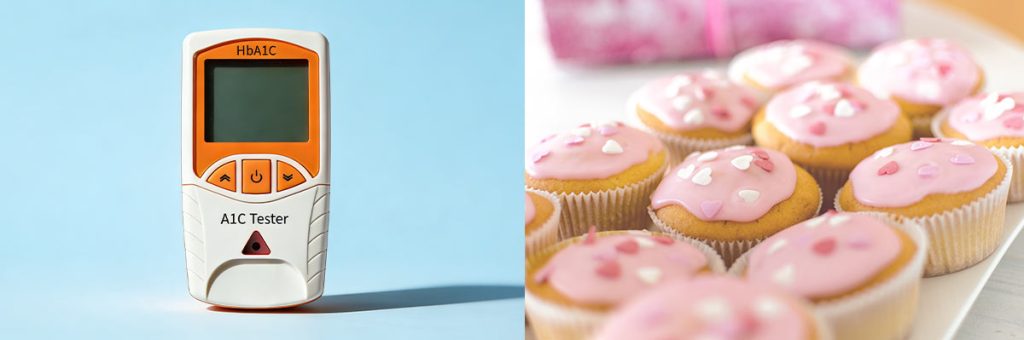
Boronate affinity chromatography uses a unique biological interaction to separate and analyze hemoglobin forms. This method targets the cis-diol configuration found only in glycated hemoglobin. The boronic acid ligand binds specifically to these cis-diol groups, allowing for selective isolation. The process relies on pH-controlled reversible covalent interactions, which means the binding and release of hemoglobin can be adjusted by changing the pH. This approach measures all four stable species of HbA1c, often called “Total HbA1c” or “True HbA1c.” The kinetics of this method are fast, making it suitable for clinical laboratories.
- The method is based on a biological interaction for separation and analysis.
- It specifically binds to the unique cis-diol configuration of glycated hemoglobin.
- This allows for the measurement of all four stable species of HbA1c.
| Feature | Description |
|---|---|
| Ligand | Boronic acid used for selective isolation of cis-diol compounds. |
| Retention Mechanism | pH-controlled reversible covalent interactions between cis-diol groups and boronic acid. |
| Selectivity | Broad-spectrum selectivity for glycated hemoglobin. |
| Binding/Release Mechanism | Reversible covalent binding controlled by pH. |
| Kinetics | Fast association and desorption kinetics. |
| Applications | Valuable in affinity separation, proteomic analysis, and metabolomics analysis. |
Boronate affinity chromatography stands out among glycated hemoglobin methods because it is glycation-specific. The method targets the stable glucose attachments on hemoglobin, ensuring accurate measurement.
Advantages and Challenges in HbA1c Estimation
Boronate affinity chromatography offers several advantages in HbA1c estimation. The method shows high specificity for HbA1c and separates it from other hemoglobin species. This specificity minimizes interference from hemoglobin variants, which often cause problems in other glycated hemoglobin methods. Results from boronate affinity chromatography correlate well with mass spectrometry-based reference methods, making it a reliable choice for clinical use.
The enzymatic method in boronate affinity chromatography provides consistent and reproducible results. Laboratories value this method for its ability to measure HbA1c without including other glycated hemoglobin forms. The enzymatic method also reduces the risk of false readings due to hemoglobin variants. Many clinicians prefer this approach for patients with known hemoglobinopathies.
However, boronate affinity chromatography faces some challenges. The enzymatic method may still be affected by elevated fetal hemoglobin levels. Some rare hemoglobin variants can escape detection, leading to uncertainty in measurement. The enzymatic method requires careful calibration and maintenance to ensure accuracy. Laboratories must monitor these factors to maintain reliable HbA1c results.
Boronate affinity chromatography, especially when using the enzymatic method, remains a valuable tool for accurate HbA1c measurement. Its high specificity and reduced interference make it a strong option among glycated hemoglobin methods.
Head-to-Head Comparison: HPLC vs. Boronate Affinity
Accuracy and Precision in HbA1c Monitoring
HPLC and boronate affinity methods both play important roles in a1c testing. HPLC provides high precision in HbA1c measurement, making it a trusted choice for diabetes diagnosis and monitoring. Boronate affinity methods also deliver accurate results, especially in patients with hemoglobin variants. Both methods show strong agreement with reference standards, but boronate affinity often demonstrates higher specificity for HbA1c. Laboratories value this specificity because it reduces the risk of false readings. In clinical analysis, both methods support reliable diabetes care, but boronate affinity may offer an advantage in certain populations.
Impact of Hemoglobin Variants on Results
Hemoglobin variants can affect the accuracy of hba1c results. HPLC sometimes struggles with co-elution, where hemoglobin variants overlap with hba1c or other fractions. This overlap can cause falsely high or low hba1c values. Boronate affinity methods experience less interference from most hemoglobin variants, but elevated fetal hemoglobin (HbF) can still lower hba1c results. The table below summarizes these effects:
| Method | Effect of Hemoglobin Variants |
|---|---|
| HPLC | Co-elution with HbA1c or HbA can lead to falsely increased or decreased HbA1c values. |
| Boronate Affinity | Less interference from variants, but elevated HbF can cause falsely low HbA1c values due to lower glycation rates. |
Clinical Relevance and Patient Monitoring
The choice between HPLC and boronate affinity methods impacts diabetes management. Boronate affinity methods provide high specificity and minimal interference, making them reliable for HbA1c analysis in diverse populations. HPLC remains a standard in many laboratories, but its susceptibility to hemoglobin variants can affect patient monitoring. Studies show that HbA1c values may be higher in African American populations, which can influence diagnosis and treatment decisions. Clinicians must consider these factors when selecting a method for HbA1c testing.
Practical Considerations: Cost, Availability, Ease of Use
HPLC instruments require significant investment and skilled personnel. Smaller clinics may find boronate affinity methods more practical due to simpler operation and faster turnaround times. Point-of-care devices using boronate affinity allow for rapid hba1c analysis, supporting timely diabetes care. Laboratories should weigh cost, availability, and ease of use when choosing the best method for HbA1c testing.
Choosing the Right A1C Tester for Your Practice
Key Factors in A1C Testing Selection
Selecting the best A1C tester for clinical use requires careful consideration. Healthcare providers must evaluate several factors before making a decision. The accuracy of hba1c measurement remains the top priority. Reliable results help guide diabetes management and support effective diagnosis. Laboratories should also consider the impact of hemoglobin variants on hba1c analysis. Some methods, such as boronate affinity, show less interference from hemoglobin variants. This feature can improve results in diverse patient populations.
Cost and availability play important roles in the selection process. HPLC systems often require significant investment and specialized training. Smaller clinics may prefer boronate affinity devices because they offer easier operation and faster turnaround times. The choice of A1C tester affects workflow efficiency and patient satisfaction. Providers should also assess the maintenance needs of each device. Regular calibration ensures consistent hba1c results and reduces the risk of errors.
The following table summarizes key factors to consider:
| Factor | HPLC | Boronate Affinity |
|---|---|---|
| Accuracy | High | High |
| Interference from Variants | Moderate | Low |
| Cost | High | Moderate |
| Ease of Use | Requires training | User-friendly |
| Turnaround Time | Moderate | Fast |
| Maintenance | Regular calibration needed | Regular calibration needed |
Tip: Clinics serving patients with a high prevalence of hemoglobinopathies may benefit from choosing boronate affinity methods for HbA1c analysis.
Conclusion
HPLC remains the gold standard for HbA1c analysis, offering reliable results for diagnosing diabetes and ongoing monitoring. Boronate affinity methods provide high specificity for hemoglobin, reducing interference from variants and supporting accurate HbA1c measurement in diverse populations. Healthcare professionals should select devices with proven accuracy, rapid turnaround, and NGSP certification for a1c testing. Accurate HbA1c estimation guides effective diabetes management, improves patient outcomes, and supports the diagnosis of diabetes mellitus.
| Assay Method | Standardization Efforts | Reliability Factors |
|---|---|---|
| HPLC | Standardized to DCCT trial equivalent methods | Factors independent of method can affect results |
- Boronate affinity methods minimize hemoglobin variant interference.
- Point-of-care analyzers must meet NGSP standards for HbA1c testing.
Accurate HbA1c results remain essential for optimal diabetes care and treatment decisions.
FAQ
What Is the Main Difference Between HPLC and Boronate Affinity Methods?
HPLC separates hemoglobin types based on charge. Boronate affinity targets glycated hemoglobin using a chemical reaction. Each method offers unique strengths for A1C testing.
Why Do Hemoglobin Variants Affect HPLC Results?
Hemoglobin variants can overlap with HbA1c peaks during HPLC analysis. This overlap may cause inaccurate readings. Boronate affinity methods show less interference from these variants.
Which Method Is Better for Patients with Hemoglobinopathies?
Boronate affinity methods provide more reliable results for patients with hemoglobinopathies. These methods minimize errors caused by hemoglobin variants.
Are Boronate Affinity Methods Suitable for Point-of-Care Testing?
Many boronate affinity devices work well in point-of-care settings. They offer fast results and require minimal training. Clinics often choose these devices for convenience.
How Do Laboratories Ensure Accurate HbA1c Results?
Laboratories follow NGSP standards and perform regular calibration. They also monitor instrument performance to maintain accuracy in HbA1c testing.