
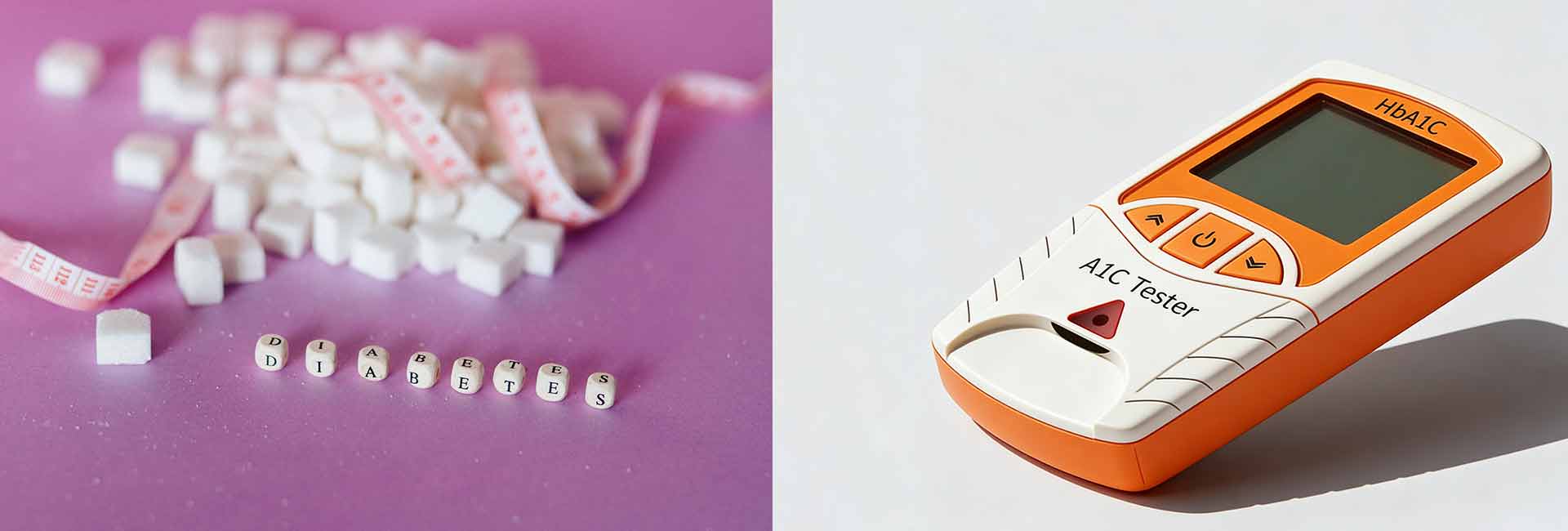


A1C testers require calibration to ensure reliable results. Calibration corrects measurement differences and reduces total error in test readings. Studies show that calibration impacts accuracy, with a 13.5% cutoff for error due to calibration variations. Guidelines from organizations like the College of American Pathologists and NGSP set strict calibration limits on A1C results. Devices such as the A1CNow SELFCHECK highlight the importance of precise calibration. Regular calibration helps users trust their results and supports effective diabetes management.
Key Takeaways
- Calibration is essential for A1C testers to ensure accurate HbA1c results, which are crucial for effective diabetes management.
- Users should calibrate their A1C testers with each new lot of test cartridges to maintain accuracy and reliability.
- Modern A1C testers often feature automated calibration systems, reducing the risk of human error and simplifying the process.
- Regular calibration and proper maintenance of A1C testers lead to better health outcomes for people with diabetes.
- Following manufacturer guidelines for calibration frequency helps users achieve trustworthy HbA1c readings.
What Is Calibration for A1C Testers?
Calibration Meaning
Calibration refers to the process of adjusting an A1C tester to match a known standard. This process ensures that the device measures HbA1c levels in blood samples with high accuracy. In the context of diabetes management, calibration helps users and healthcare professionals trust the results from their A1C testers. Each device uses calibration to align its readings with reference values set by laboratories. These reference values come from samples with known HbA1c concentrations.
A1C testers require calibration because even small changes in sensors or reagents can affect accuracy. Manufacturers design calibration procedures to correct these differences. For example, some A1C testers need calibration every time a new lot of test cartridges is used. Others use built-in calibration chips that store HbA1c reference data.
Note: Calibration does not change the way a person collects a blood sample. It only affects how the device interprets the HbA1c result.
Why It Matters?
Calibration plays a critical role in the accuracy of HbA1c testing. Accurate hba1c results help people with diabetes monitor their long-term blood sugar control. Without proper calibration, an A1C tester may give results that are too high or too low. This can lead to incorrect decisions about diabetes treatment.
The importance of calibration increases when considering the impact on diabetes care. Reliable HbA1c readings support doctors in adjusting medication and lifestyle plans. Consistent calibration also ensures that results from different A1C testers can be compared.
A1C testers that follow strict calibration protocols provide better accuracy. This accuracy gives people with diabetes confidence in their test results. Regular calibration reduces the risk of errors and supports effective diabetes management.
- Key reasons why calibration matters for A1C testers:
- Ensures HbA1c accuracy for diabetes monitoring
- Reduces errors in test results
- Supports safe and effective diabetes care
- Allows comparison between different devices
A1C Testers Calibration Needs
Device Differences
A1C testers come in different forms, and each type has unique calibration needs. Home A1C testers allow people to check their HbA1c levels without visiting a clinic. These devices often use cartridges or test strips that contain reagents. When a person opens a new lot of cartridges, the device may require calibration. This step ensures that the readings match laboratory standards. Some home devices include a calibration chip or code with each new lot. The user must insert this chip or enter the code before testing. This process helps maintain accuracy and supports reliable diabetes monitoring.
Laboratory A1C testers operate in clinical settings. These devices handle a higher volume of samples and use more advanced technology. Labs often follow strict calibration schedules. Staff members calibrate the device at regular intervals, sometimes daily or weekly. They also calibrate when they receive a new batch of reagents. Laboratory devices may use reference samples with known HbA1c values. This practice checks the accuracy of the device and ensures consistent results for diabetes care.
The table below highlights the main differences between home and lab A1C testers:
| Feature | Home A1C Testers | Laboratory A1C Testers |
|---|---|---|
| Calibration Frequency | Per new cartridge lot | Daily, weekly, or per lot |
| Calibration Method | Chip/code or built-in | Reference samples, automated |
| User | Individuals | Trained lab staff |
| Volume of Testing | Low | High |
Some devices require calibration every time a new lot of reagent cartridges is used. Others have sensors that remain stable over time. These stable sensors reduce the need for frequent calibration. People who use home A1C testers should always follow the instructions that come with their device. This habit helps maintain accuracy and supports effective diabetes monitoring.
Modern Device Advances
Modern A1C testers have seen significant improvements in both design and function. Many devices now feature automated calibration systems. These systems reduce the risk of human error and make the process easier for users. Automated lysis in current A1C assays speeds up preparation and lowers the chance of mistakes in labs. This advancement saves time and improves accuracy for HbA1c testing.
New device designs also focus on analytical specificity. Some A1C testers can now report HbA1c results accurately, even when a person has common hemoglobin variants. This improvement supports health equity by providing reliable results for more people with diabetes. The table below summarizes key advances in modern A1C testers:
| Evidence | Description |
|---|---|
| Modern A1C assays | Automated lysis reduces errors and preparation time in labs. |
| Analytical specificity | New designs report HbA1c accurately with common hemoglobin variants. |
Modern devices often require less frequent calibration. Stable sensors and improved reagent quality help maintain accuracy over longer periods. Some devices store calibration data internally, so users do not need to recalibrate with every new test. These advances make A1C testers more user-friendly and reliable for diabetes monitoring.
A1C testers play a vital role in HbA1c monitoring and diabetes management. Calibration remains essential for both home and lab devices. However, modern advances have made the process simpler and more dependable. People with diabetes can trust their device to deliver accurate HbA1c results, supporting better health outcomes.
A1C Calibration Frequency
Manufacturer Guidelines
Manufacturers set specific guidelines for calibration to maintain HbA1c accuracy in both home and laboratory A1C testers. These guidelines help users achieve reliable results for diabetes management. Most manufacturers recommend checking calibration at least once a month. Some devices require calibration every time a new vial of test strips or reagent cartridges is opened. Advanced A1C testers, especially those with no-coding technology, may need calibration less often because of improved sensor stability and built-in reference data.
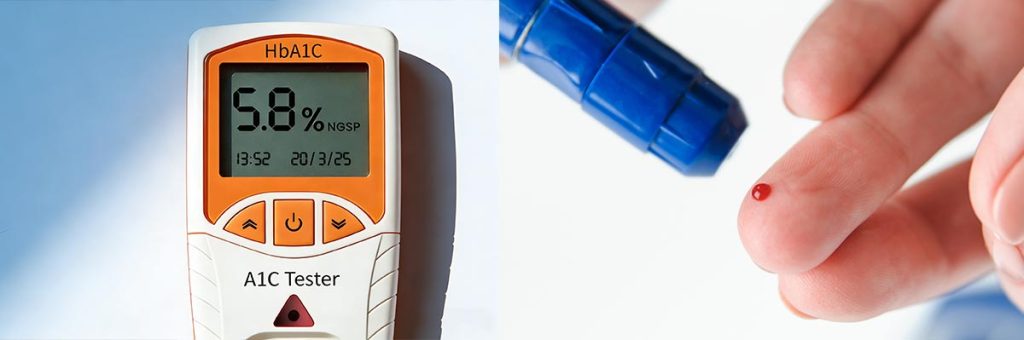
The table below summarizes common manufacturer recommendations for calibration frequency:
| Calibration Frequency | Notes |
|---|---|
| At least once a month | General recommendation for glucose monitors and a1c testers |
| When opening a new vial of test strips | Important for maintaining accuracy |
| Less frequent for advanced monitors | Especially those with no-coding technology due to enhanced accuracy |
Regular calibration supports consistent hba1c results and helps users trust their A1C readings.
Factors Affecting Frequency
Several factors influence the calibration frequency for A1C testers. Device model and manufacturer play a major role. Home testers with stable sensors may require less frequent calibration, while older models or those with manual coding need more frequent checks. The type of reagent or test strip also affects how often calibration is needed. Each new lot of reagents can introduce small changes that impact HbA1c accuracy.
Laboratory devices often follow stricter calibration schedules. Staff may calibrate these devices weekly or with each new batch of reagents. Many labs use NGSP value-assigned blood samples as calibration standards. These samples have known hba1c values, which help ensure accuracy across different devices and over time.
Environmental factors, such as temperature and humidity, can also affect calibration. Users should store test strips and reagents as recommended to maintain accuracy. Following the manufacturer’s instructions for calibration frequency helps people with diabetes get the most reliable HbA1c results.
Calibration Steps for A1C Testers
Step-By-Step Guide
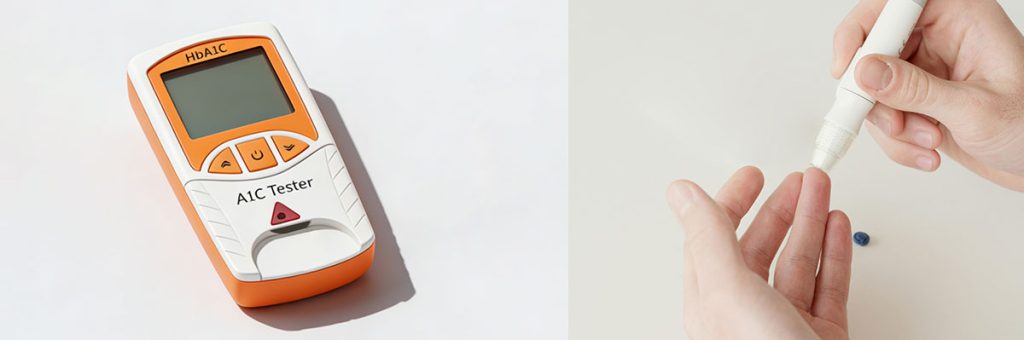
A1C testers require careful calibration to ensure accurate readings for diabetes management. The process for calibration varies between clinical and home settings. In clinical environments, trained staff collect venous blood samples using lavender top EDTA tubes. They process these samples under controlled conditions, which supports higher accuracy. Home users collect finger-prick specimens and follow simpler steps. Both settings aim for reliable readings, but home users must pay extra attention to each step to reduce errors.
The following steps outline a typical calibration process for home A1C testers:
- Prepare the monitor and ensure it is clean and dry.
- Insert the calibration chip or enter the code provided with the new lot of test cartridges.
- Wait for the monitor to confirm successful initial calibration.
- Collect a blood sample using the finger-prick method.
- Apply the sample to the test cartridge as instructed.
- Allow the monitor to process the sample and display the HbA1c measurement.
- Record the readings for future comparison and diabetes tracking.
Clinical settings use more advanced monitors and follow strict quality control. The table below compares calibration procedures in both environments:
| Aspect | Clinical Settings | Home Settings |
|---|---|---|
| Sample Collection | Venous blood draws using lavender top EDTA tubes | Finger-prick specimens collected by the user |
| Processing | Controlled environment with trained personnel | Simpler methodologies, often self-administered |
| Accuracy | Higher accuracy due to quality control measures | Potential for user error and less controlled conditions |
Best Practices
People who monitor HbA1c at home should follow best practices for calibration and glucose monitor calibration. They should always read the manufacturer’s instructions before starting. Users must calibrate the monitor with each new lot of test cartridges to maintain accuracy. Storing cartridges and test strips in a cool, dry place helps preserve their quality. Regularly cleaning the monitor prevents contamination and supports accurate readings.
Users should compare their HbA1c measurement with laboratory results at least once a year. This comparison checks the accuracy of the home monitor. If the readings differ significantly, users should repeat the calibration process or contact the manufacturer. Keeping a log of all readings and calibration dates helps track trends in diabetes management.
Tip: Consistent calibration and careful blood glucose monitoring lead to more reliable readings and better health outcomes for people with diabetes.
Following these steps and best practices ensures that the monitor provides accurate HbA1c readings. Reliable readings support effective diabetes care and help users make informed decisions about their health.
Conclusion
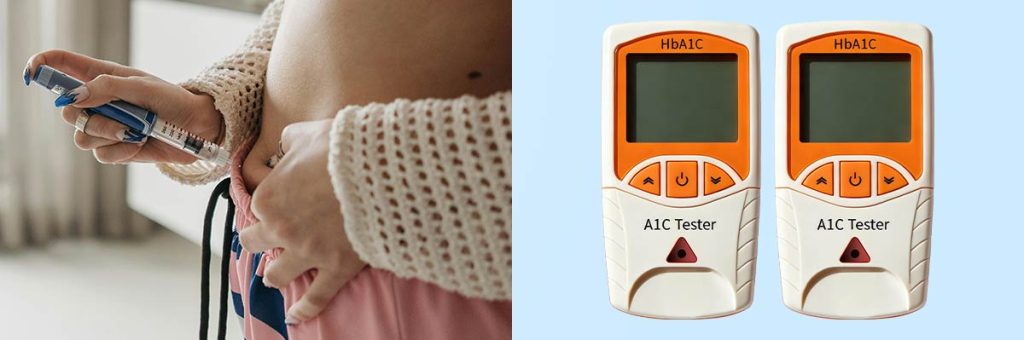
Calibration stands as a vital part of regular maintenance for A1C testers. Accurate HbA1c results depend on consistent calibration and proper maintenance. Glycated hemoglobin readings guide diabetes care, so users must follow manufacturer instructions closely. Errors in sample collection or handling can affect results, making maintenance essential. Modern devices simplify calibration and reduce maintenance needs, but users should still check calibration with each new lot. Regular maintenance ensures reliable results and supports diabetes management. Glycated hemoglobin results improve when users maintain their devices and follow calibration schedules. Consistent maintenance helps achieve trustworthy hba1c results and supports long-term diabetes health.
- Key points for reliable results:
- Calibration and regular maintenance protect HbA1c accuracy.
- Glycated hemoglobin results depend on proper device maintenance.
- Modern devices require less frequent calibration but still need regular maintenance.
- Diabetes care improves with consistent calibration and maintenance.
- Following manufacturer instructions ensures trustworthy results.
Reliable HbA1c results come from regular maintenance, careful calibration, and proper handling of glycated hemoglobin samples.
FAQ
How Does Calibration Affect A1C Results?
Calibration ensures that A1C testers provide accurate readings. This procedure aligns the device with reference standards. Accurate A1C results support effective diabetes management and help users maintain glycemic control. Regular calibration reduces errors and improves the reliability of HbA1c testing in any diabetes management system.
Why Is A1C Testing Important for Diabetes Management?
A1C testing gives a long-term view of blood sugar levels. This information helps people and healthcare providers adjust diabetes management plans. Accurate A1C readings support better glycemic control and reduce complications. Testing forms a key part of any diabetes management system and supports ongoing management recommendations.
How Often Should Users Calibrate Their A1C Tester?
Manufacturers provide recommendations for calibration frequency. Most suggest calibrating with each new lot of test cartridges. Some advanced devices require less frequent calibration. Following the correct procedure ensures reliable A1C results and supports consistent diabetes management and glycemic control.
What Steps Should Users Follow for Proper Calibration Procedure?
Users should clean the device, insert the calibration chip or code, and follow the instructions for their specific model. This procedure helps maintain a1c accuracy. Proper calibration supports HbA1c testing, improves diabetes management, and ensures the device remains part of an effective management routine.
Can A1C Testers Replace Laboratory Testing in Diabetes Management?
A1C testers provide convenience for home use. However, laboratory testing remains important for confirming HbA1c results. Home devices support daily diabetes management, but labs offer higher accuracy. Combining both methods gives the best results for glycemic control and overall management.