
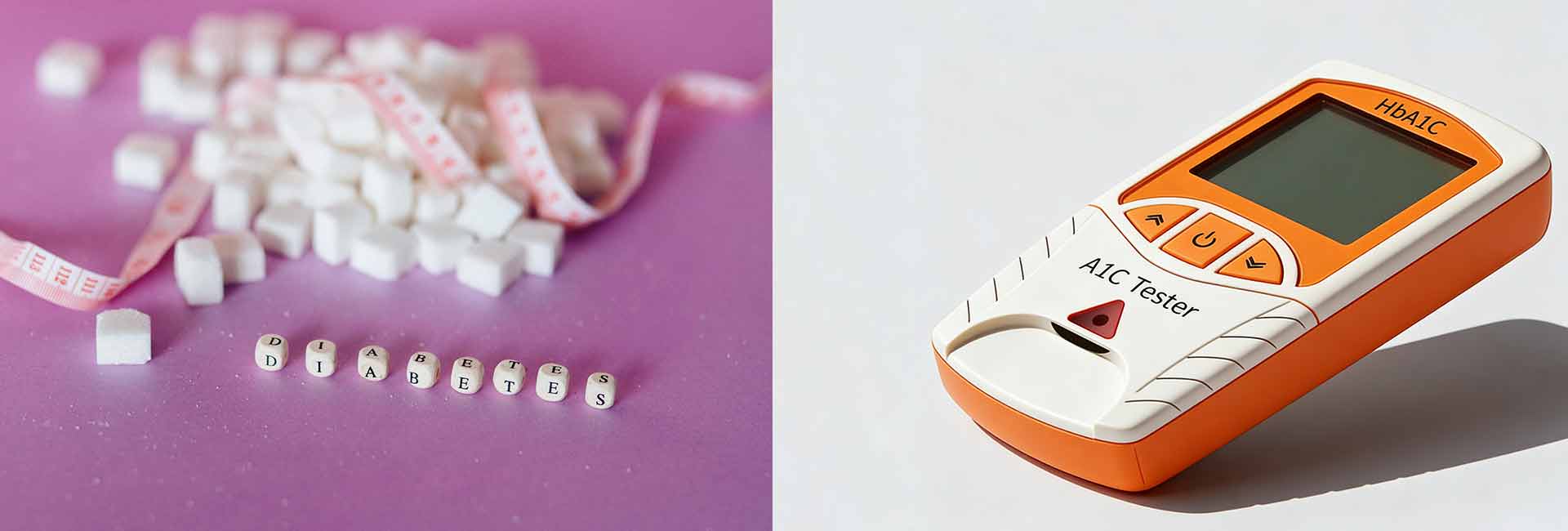
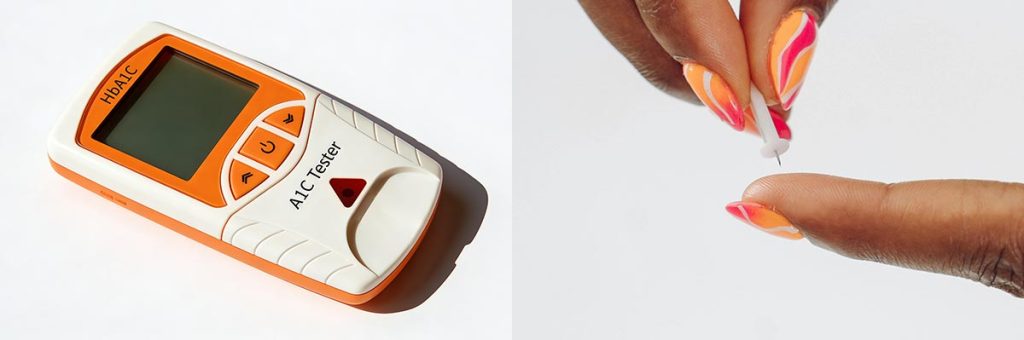


Pharmacy owners can launch A1C testing by securing a CLIA waiver, selecting a reliable device, and training staff. This service creates a new revenue stream and attracts patients seeking fast diabetes screening. The process offers walk-in convenience, lower costs, and results in minutes. The table below shows how pharmacy-based A1C testing outperforms traditional laboratory methods in speed and accessibility.
| Feature | In-Pharmacy A1C Testing | Traditional Laboratory Testing |
|---|---|---|
| Appointment Requirement | No | Yes |
| Waiting Time | Often 30 minutes or less | Longer, often days |
| Accessibility | Walk-ins welcome | Scheduled appointments needed |
| Cost | Lower | Higher |
Key Takeaways
- Pharmacies can enhance patient care and revenue by offering A1C testing. This service attracts patients seeking quick diabetes screening.
- Obtaining a CLIA waiver is essential for pharmacies to legally perform A1C testing. Ensure compliance with state regulations and maintain updated documentation.
- Invest in reliable A1C tester to provide accurate results. Choose NGSP-certified methods for the best patient outcomes.
- Train pharmacy staff thoroughly on testing procedures and patient communication. Ongoing education ensures high-quality care and builds patient trust.
- Implement effective marketing strategies to raise awareness about A1C testing. Collaborate with local healthcare providers to increase referrals and community engagement.
Understanding A1C Testing
What Is A1C Testing?
A1C testing, also called HbA1c testing, measures the average blood sugar level over the past two to three months. This test does not require fasting, which makes it convenient for patients. Healthcare providers use HbA1c testing to screen for diabetes, diagnose the condition, and monitor ongoing treatment. The American College of Physicians and other guidelines recommend the following:
- HbA1c testing should occur at the initial assessment for all patients.
- Patients with stable glycemic control should receive HbA1c testing at least twice per year.
- Quarterly HbA1c testing is recommended for patients not meeting their goals or those who have had recent changes in therapy.
- An HbA1c of 6.5% or higher indicates diabetes, while 5.7% to 6.4% suggests prediabetes.
- Most non-pregnant adults with diabetes should aim for an HbA1c below 7.0%, but targets should be individualized.
How A1C Testing Works in Pharmacies?
Pharmacies use point-of-care HbA1c machine that provide quick results. These devices include the A1c Now Monitor, Bio-Rad Variant, and OBM Rapid A1c. The table below compares common methods used in pharmacies:
| Testing Method | Accuracy Comparison | Notes |
|---|---|---|
| A1c Now Monitor | Good correlation to standardized laboratory tests | Suitable for screening and monitoring |
| Bio-Rad Variant | Certified by NGSP, minimal interference from hemoglobin variants | Traceable to reference methods |
| OBM Rapid A1c | Accuracy comparable to laboratory equipment | At-home meters are less accurate than pharmacy-based tests |
Pharmacists can integrate HbA1c testing into routine care. They help patients with diabetes track their progress and adjust their management plans as needed. Collaborative care models in pharmacies have shown improved outcomes for patients with diabetes.
Patient Benefits and Early Detection
HbA1c testing in pharmacies offers several advantages for patients. The process is fast, does not require appointments, and delivers results in minutes. Early detection of diabetes through HbA1c testing allows for timely interventions. This approach improves glycemic control and reduces the risk of complications. Patients with diabetes benefit from regular monitoring, which leads to better outcomes and lower healthcare costs. Pharmacists play a key role in diabetes management by providing accessible HbA1c testing and supporting ongoing care.
Business Requirements for A1C Testing
Licensing and CLIA Waiver
Pharmacies must follow specific regulatory steps before offering HbA1c testing. The Clinical Laboratory Improvement Amendments (CLIA) define waived tests as simple laboratory procedures with a low risk of error. Pharmacies must obtain a CLIA waiver to perform hba1c testing. This waiver allows pharmacies to conduct tests like hba1c, influenza, and HIV screening. In states such as Ohio, pharmacists can perform CLIA-waived tests if they hold a valid CLIA certificate. Manufacturers must apply to the FDA for their tests to receive CLIA-waived status. Once approved, pharmacies can use these tests if they follow good laboratory practices. Each state may have additional licensing requirements, so pharmacy owners should check with their state board of pharmacy.
Tip: Pharmacies should keep their CLIA certificate up to date and display it in a visible location.
Choosing an A1C Tester
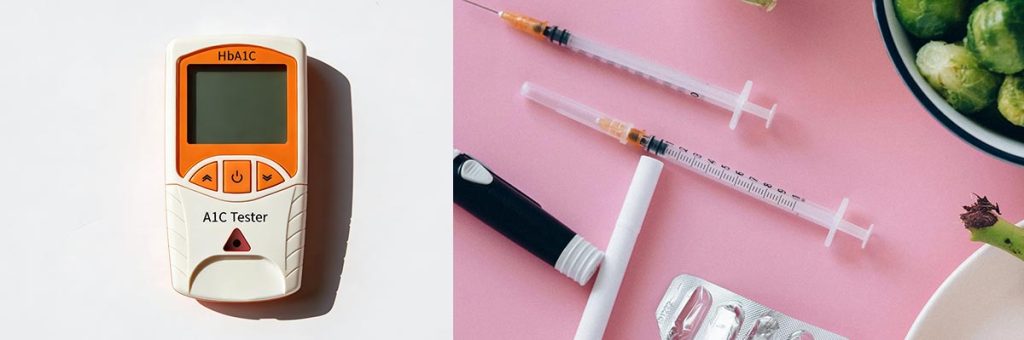
Selecting the right A1C tester is essential for accurate HbA1c results. Pharmacies can choose from several reliable devices designed for point-of-care use. Home hba1c testing kits are available at major retailers, but these do not meet the standards for professional results and are not covered by insurance. Professional A1C testers, such as the A1c Now Monitor, Bio-Rad Variant, and OBM Rapid A1c, provide accurate and timely results for patients with diabetes. Prices for home kits range from $44 to over $100, depending on the number of tests included. Pharmacies should invest in NGSP-certified methods to ensure accuracy and reliability. Regular maintenance and calibration of the A1C tester help maintain consistent performance.
| Quality Assurance Protocols for A1C Testing | Description |
|---|---|
| Use of NGSP-certified methods | Testing should be performed using methods certified by the National Glycohemoglobin Standardization Program to ensure accuracy. |
| Avoid point-of-care tests for diagnosis | Point-of-care tests may yield inaccurate results due to hemoglobin variants and are not recommended for diagnosing diabetes. |
| Consult clinical laboratory for hemoglobin variants | Providers should check with their lab to ensure the HbA1c level is accurate for patients with hemoglobin variants. |
Staff Training and Compliance
Proper staff training ensures safe and accurate hba1c testing. Pharmacy staff must learn specimen collection techniques, laboratory equipment operation, and quality control procedures. The National Association of State Pharmacy Associations offers a Community Pharmacy based Point of Care Testing National Certificate Program. This program includes 12 hours of home study and 8 hours of live training. The Centers for Disease Control and Prevention (CDC) provides a booklet called “Ready, Set, Test” that outlines best practices for patient testing under a CLIA Waiver Certificate. The CDC also offers an online training course for pharmacy staff.
Pharmacies must follow quality assurance protocols to maintain accurate HbA1c testing results. Staff should use NGSP-certified methods and avoid using point-of-care tests for diagnosing diabetes. For patients with hemoglobin variants, pharmacists should consult a clinical laboratory to confirm the accuracy of the hba1c assay. Ongoing education and regular competency assessments help staff stay current with best practices in HbA1c testing and diabetes management.
Note: Consistent staff training and adherence to quality assurance protocols protect both patients with diabetes and the pharmacy’s reputation.
Setting Up A1C Testing Services
Workflow Integration
Pharmacy teams can set up HbA1c testing by following a structured process. They should start by designating a dedicated area for blood sample collection and analysis. Staff can use a checklist to prepare all necessary supplies before each shift. This approach reduces delays and keeps the workflow smooth. Pharmacies often schedule HbA1c testing during slower periods to minimize disruption. Staff can rotate responsibilities so that one person manages the test while others continue with prescription services.
A systematic process helps pharmacies scale up hba1c testing without interfering with daily operations. Collaboration with healthcare providers, such as local clinics or physicians, can improve the effectiveness of the program. These partnerships allow for better follow-up and support for patients with diabetes. The table below outlines best practices for integrating hba1c testing into the pharmacy workflow:
| Best Practices for A1C Testing Integration | Description |
|---|---|
| Minimal Disruption of Workflow | Ensuring that the integration of A1C testing does not interfere with existing pharmacy operations is crucial for efficiency. |
| Collaboration Among Healthcare Providers | Engaging with other healthcare professionals can enhance the effectiveness of A1C testing programs. |
| Systematic Process for Implementation | Following a structured approach can help in scaling up the delivery of A1C testing in pharmacies. |
Tip: Pharmacies should review their workflow regularly and adjust as needed to maintain efficiency.
Documentation and Record-Keeping
Accurate documentation supports compliance and quality care. Pharmacy staff must record each HbA1c test in the patient’s medical record. The record should include the date of the test and the result. This information helps track progress for patients with diabetes and ensures proper follow-up. Pharmacies must also document annual hba1c testing for adults aged 18 to 75 with type 1 or type 2 diabetes.
A controlled HbA1c level is less than 8.0%. Missing results may indicate poor control and require further attention. The table below summarizes key documentation requirements for HbA1c testing in pharmacies:
| Requirement | Description |
|---|---|
| A1C Testing | Annual testing for Hemoglobin A1c (HbA1c) for patients aged 18–75 with diabetes types 1 and 2. |
| Medical Record | Must include the date of the HbA1c test and the result. |
| Control Level | A controlled A1C level is defined as <8.0%. Missing results indicate poor control. |
Pharmacies should use electronic health records when possible. This practice improves accuracy and makes it easier to share information with other healthcare providers. Staff should review records regularly to identify patients who need follow-up or additional support.
Providing Quick Results
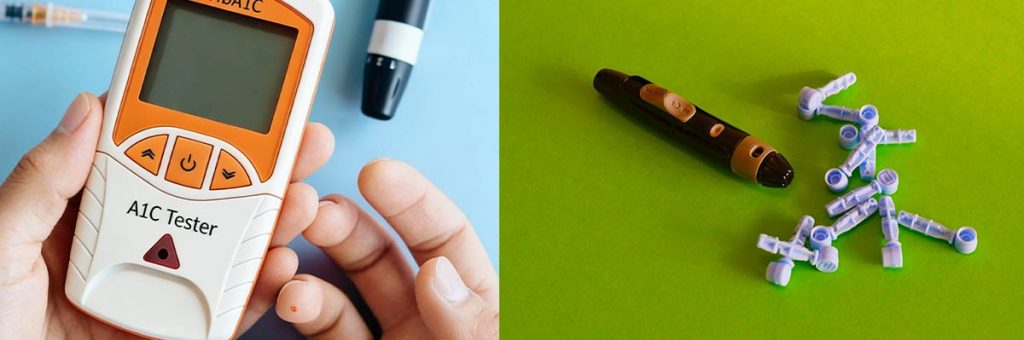
HbA1c testing in pharmacies delivers results in minutes. Staff collect a small blood sample, usually from a fingerstick, and use a point-of-care device to analyze the sample. The process takes about five to ten minutes. Patients with diabetes appreciate the convenience of immediate feedback. They can discuss their results with the pharmacist during the same visit.
Quick results support early detection of diabetes and allow for timely interventions. Pharmacists can recommend lifestyle changes, medication adjustments, or referrals to other healthcare professionals. This approach improves diabetes management and helps prevent complications. Pharmacies that offer fast hba1c testing stand out from competitors and attract more patients seeking blood glucose screening tests.
Note: Providing rapid results increases patient satisfaction and encourages regular monitoring for patients with diabetes.
Financial Considerations
Cost and Budgeting
Pharmacies must plan for the initial investment in A1C tester and supplies. The cost of a HbA1c POCT machine can range from several hundred to a few thousand dollars. Each test cartridge adds a per-test expense. Staff training and ongoing quality control also require budgeting. Many pharmacies find that the demand for diabetes screening justifies these costs. The market for hemoglobin A1C testing devices and kits is growing quickly. The market size is expected to increase from $2.1 billion in 2023 to $3.2 billion by 2028, with a compound annual growth rate of 9.2%. This growth reflects the rising need for diabetes detection and monitoring.
Pricing and Reimbursement
Pharmacies can set prices for A1C testing based on local competition and service value. Most pharmacies charge between $20 and $50 per test. Insurance reimbursement may be available if the pharmacy documents each test accurately. Proper documentation helps pharmacies receive payment for services provided to patients with diabetes. Pharmacies should check with payers to understand coverage policies. Accurate billing and coding support steady revenue. Many patients with diabetes appreciate transparent pricing and the convenience of in-pharmacy testing.
Profitability Tips
Pharmacies can use several strategies to maximize profits from A1C testing. They can integrate A1C testing into broader clinical services, such as diabetes management programs. Leveraging point-of-care testing as a high-margin service increases revenue. Pharmacies should optimize documentation to ensure reimbursement. The table below summarizes key strategies:
| Strategy | Description |
|---|---|
| Integrating A1C testing into clinical services | Incorporate A1C testing as part of broader clinical services offered by the pharmacy. |
| Optimizing documentation for reimbursement | Ensure accurate documentation of test results to facilitate reimbursement for A1C testing. |
| Leveraging point-of-care testing | Offer A1C testing as a high-margin service, with potential revenue of $20-$50 per test. |
Pharmacies that focus on quality service and efficient workflow attract more patients with diabetes. They also help improve community health by supporting early detection and ongoing diabetes care.
Marketing A1C Testing
Attracting Patients
A community pharmacy can attract more patients by using a variety of marketing strategies. These approaches help raise awareness about A1C testing and encourage people to visit the pharmacy for diabetes screening. Some effective tactics include:
- Sponsoring local events and partnering with health organizations to build trust.
- Maintaining a mobile-friendly website and using search engine optimization for better online visibility.
- Sharing health tips and engaging with the community on social media platforms.
- Sending personalized newsletters through email marketing to keep patients informed.
- Using in-store signage and training staff to highlight new services.
- Creating referral programs that reward satisfied patients who refer others.
- Providing brochures to local physicians and exploring referral opportunities.
- Developing informative blog posts and videos to attract customers.
- Using targeted advertising in both online and print media to reach specific groups.
These methods help a community pharmacy stand out and make A1C testing more accessible for people concerned about diabetes.
Building Healthcare Partnerships
Building strong partnerships with local healthcare providers increases referrals for A1C testing. Pharmacies can use several strategies to create these connections:
| Strategy | Description |
|---|---|
| Collaboration | Pharmacies should establish relationships with local healthcare providers and organizations to address barriers to care. |
| Education | Pharmacy teams need to educate themselves about local resources and create referral materials. |
| Integrated Care Network | Partnering with clinics, food banks, and transportation services can help create a comprehensive care network for the community. |
These partnerships help pharmacies support patients with diabetes and improve overall health outcomes.
Community Awareness
Raising community awareness about A1C testing is essential for early detection of diabetes. Pharmacies can host free screening days or educational workshops to inform the public. Staff can distribute flyers at local events and work with schools or senior centers to reach more people. By becoming a trusted resource, a community pharmacy helps more individuals understand the importance of regular testing and diabetes management.
Operational Best Practices
Quality Control
Pharmacies must maintain high standards for A1C testing to ensure reliable results. Staff should follow strict protocols for device calibration and sample handling. Regular quality checks help identify errors early. Many pharmacies face challenges such as managing additional workload and ensuring proper resourcing. Teams can address these issues by assigning clear roles and using checklists for each testing session. Implementing an appointment system can also help manage patient flow and reduce wait times. Staff training remains essential for upholding quality standards.
Tip: Consistent quality control protects both the pharmacy’s reputation and the health of patients with diabetes.
Patient Communication
Clear communication builds trust and improves outcomes. Pharmacy staff should explain the A1C testing in simple terms. They need to discuss what the results mean and answer any questions. Staff should encourage patients to ask about their diabetes management and next steps. Good communication helps patients feel comfortable and informed. Pharmacies can use printed materials or digital resources to reinforce key messages. Staff should always respect patient privacy during consultations.
- Use plain language when describing test results.
- Provide written summaries for patients to take home.
- Schedule follow-ups to support ongoing care.
Ongoing Staff Education
Continuous education keeps pharmacy teams updated on best practices. Many programs offer training in diabetes care and A1C testing. The following table highlights several options:
| Program Name | Description | Link |
|---|---|---|
| Diabetes Management SIG | A special interest group focused on diabetes management education. | Link |
| APhA CPE Programming | Continuing education programs related to diabetes management available through APhA’s Learning Management System. | Link |
| Pharmacist & Patient-Centered Diabetes Care Certificate Training Program | A certificate training program designed to enhance pharmacists’ skills in diabetes care. | Link |
The resource “Focus on Measures Beyond Hemoglobin A1c” helps pharmacists learn about new developments in diabetes treatment, including time in range and glycemic variability. Ongoing education ensures staff can deliver the highest quality care.
Conclusion
Pharmacies can launch A1C testing by securing a CLIA waiver, selecting reliable devices, and training staff. This service improves patient care and creates new revenue streams. The following table highlights real-world results:
| Case Study | Description |
|---|---|
| Thrifty White Pharmacy | Improved health outcomes and profitability through A1C testing, payer collaboration, and patient education. |
A1C testing positions pharmacies as essential healthcare providers. Owners should act now to enhance community health and drive business growth.
FAQ
How Long Does an A1C Test Take in the Pharmacy?
Most pharmacies complete A1C testing in 5 to 10 minutes. Patients receive results during the same visit. This quick turnaround supports immediate discussions about diabetes management.
Is a CLIA Waiver Required for A1C Testing?
Yes. Pharmacies must hold a valid CLIA waiver to perform A1C testing. This certificate ensures compliance with federal regulations for laboratory testing.
Can Pharmacists Interpret A1C Results for Patients?
Pharmacists can explain A1C results and discuss next steps. They help patients understand their numbers and recommend follow-up with a healthcare provider if needed.
How Often Should Patients Get an A1C Test?
Most patients with diabetes need an A1C test at least twice a year. Those with uncontrolled diabetes or recent medication changes may require testing every three months.
Does Insurance Cover in-Pharmacy A1C Testing?
Some insurance plans reimburse for A1C testing in pharmacies. Coverage varies by provider and location. Pharmacies should verify benefits before billing.