
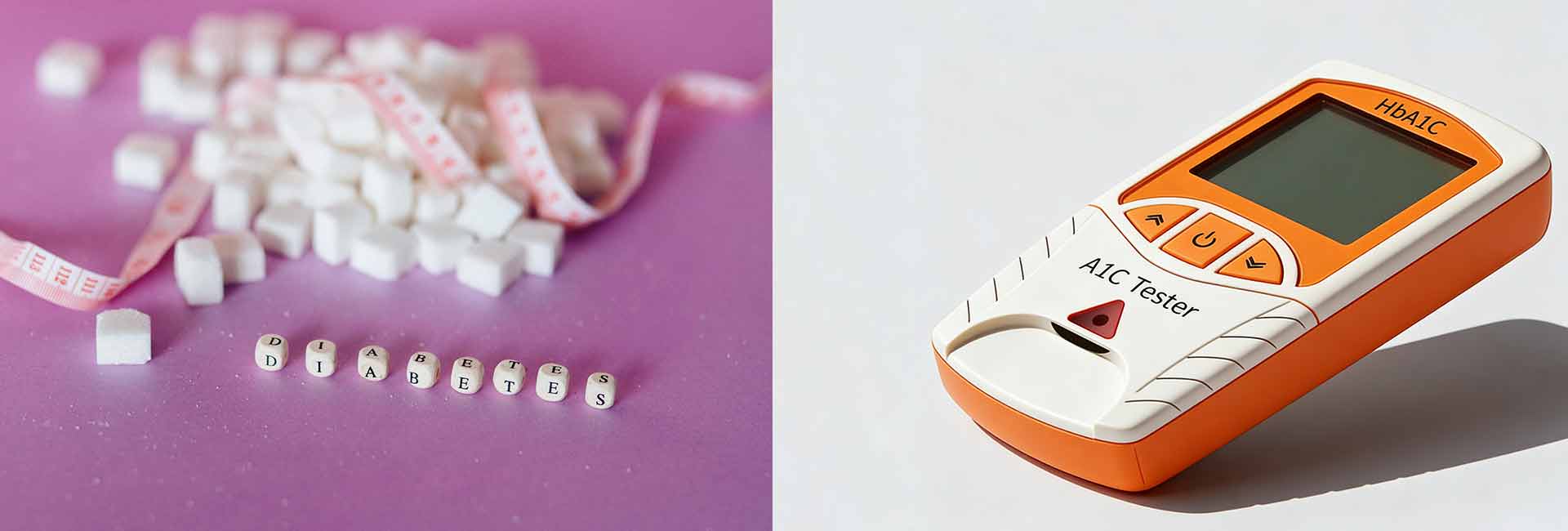
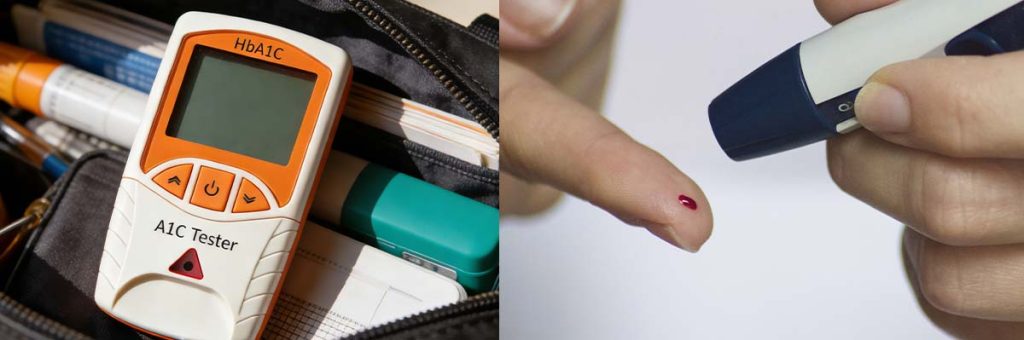


Testing HbA1c levels remains essential for managing blood sugar health. Clinical guidelines recommend the following testing frequencies:
| Condition | Recommended HbA1c Testing Frequency |
|---|---|
| Individuals with diabetes | At least every 6 months for stable glycaemic control |
| Individuals with prediabetes | [Frequency not specified] |
| Individuals with stable control | At least every 6 months |
Testing frequency may increase if treatment changes or blood sugar becomes unstable. Many people use an A1C tester at home for added convenience. A healthcare provider can help personalize the HbA1c test schedule.
Key Takeaways
- Test HbA1c levels at least twice a year if you have stable diabetes. This helps track your blood sugar control effectively.
- If your blood sugar is unstable or you change medications, increase testing to every three months. This allows for timely adjustments to your treatment plan.
- For prediabetes, check HbA1c levels at least once a year. Early detection can help prevent the progression to diabetes.
- Using an A1C tester can help monitor your levels between doctor visits. However, always confirm results with lab tests for accuracy.
- Healthy habits like balanced meals, regular exercise, and stress management can improve your HbA1c levels and overall health.
Why Check HbA1c Levels?
HbA1c and Diabetes Management
Healthcare professionals rely on the A1C test to monitor diabetes and guide treatment. The test measures HbA1c levels, which reflect average blood sugar over the past two to three months. This approach gives a more complete picture than daily blood sugar checks. The A1C test does not require fasting and can be done at any time of day, making it convenient for patients.
High HbA1c levels signal poor blood sugar control. Chronic hyperglycemia, shown by HbA1c, increases the risk of complications such as neuropathy and retinopathy. These complications can affect nerves and eyes, leading to serious health problems. The A1C test helps identify these risks early, allowing for timely changes in diabetes management.
Regular A1C testing reduces hospitalizations for diabetes-related conditions by 23%. Patients who skip regular tests face a 36% higher risk of hospitalization and a 56% higher risk of death. These numbers highlight the importance of consistent monitoring.
Importance of the A1C Test
The A1C test serves as a key tool in evaluating the effectiveness of diabetes treatment plans. By tracking HbA1c levels, healthcare providers can see if current strategies work or if adjustments are needed. The test also acts as a diagnostic tool, with a result of 6.5% or higher indicating diabetes.
A table below summarizes the benefits of regular A1C testing:
| Benefit of Regular A1C Testing | Impact on Diabetes Management |
|---|---|
| Tracks long-term blood sugar control | Guides medication and lifestyle changes |
| Identifies risk for complications | Supports early intervention |
| Reduces hospitalizations and mortality | Improves quality of life |
Managing HbA1c levels lowers the risk of complications and improves long-term health. The A1C test remains a reliable measure for both patients and healthcare teams. Consistent use of the A1C test supports better outcomes for people living with diabetes.
How Often to Check HbA1c?
A1C Test Frequency for Diabetes
People with diabetes need to check hba1c levels regularly to manage their condition. The A1C test gives a clear picture of average blood sugar over the past two to three months. Most clinical guidelines recommend that individuals with diabetes who have stable blood sugar control should check HbA1c levels at least twice a year. This schedule helps healthcare providers track progress and adjust treatment if needed.
For those who have recently changed their medication or have not met their target A1C, the recommended frequency increases. In these cases, the A1C test should be performed every three months. This approach allows for close monitoring and timely adjustments to the treatment plan.
Regular A1C testing helps reduce the risk of complications and supports better long-term outcomes for people with diabetes.
The table below shows recommendations from leading organizations:
| Organization | Recommendation for HbA1c Testing Frequency |
|---|---|
| American Diabetes Association (ADA) | At least two times annually for stable patients; quarterly for those not meeting goals |
| Other National/International Orgs | At least every 6 months for stable patients |
HbA1c Levels in Prediabetes
Prediabetes means blood sugar levels are higher than normal but not high enough for a diabetes diagnosis. People with prediabetes should check hba1c levels to monitor their risk of developing diabetes. Most experts suggest that individuals with prediabetes check hba1c levels at least once a year. This schedule helps detect any changes early and allows for lifestyle adjustments to prevent progression to diabetes.
If a person with prediabetes has risk factors or their blood sugar control is not stable, healthcare providers may recommend more frequent testing. In some cases, checking HbA1c levels every six months can provide better insight into changes over time.
| Frequency of Testing | Condition |
|---|---|
| Once a year | Prediabetes with stable blood sugar |
| Every six months | Prediabetes with risk factors or changing blood sugar |
Early detection through regular A1C test can help prevent the onset of diabetes.
Stable Control and Testing Schedule
Individuals who have achieved stable blood sugar control benefit from a consistent testing schedule. For these people, the A1C test should be performed at least twice a year. This frequency aligns with recommendations from both national and international diabetes organizations. Regular monitoring ensures that HbA1c levels remain within target ranges and helps identify any changes before they become serious.
| Recommendation | Frequency |
|---|---|
| HbA1c Testing | At least twice a year for stable blood sugar |
- Clinical practice guidelines highlight the importance of regular A1C testing for people with stable diabetes.
- Most guidelines recommend checking HbA1c levels every six months for those with stable control.
- Following this schedule leads to better patient outcomes and reduces the risk of complications.
Consistent A1C test scheduling supports long-term health and helps maintain stable HbA1c levels.
Factors Affecting HbA1c Testing
Medication and Treatment Changes
Changes in medication or adjustments to a diabetes treatment plan can impact how often a person should check for high HbA1c. When a patient maintains stable glycemic control, guidelines recommend testing at least twice a year. If a person has not met glycemic goals or has recently changed therapy, healthcare providers suggest testing every three months. This approach helps track how new treatments affect hba1c and supports timely intervention.
| Patient Condition | Recommended HbA1c Testing Frequency |
|---|---|
| Stable glycemic control | At least twice a year |
| Not met glycemic goals or recent changes | Quarterly |
Lifestyle and Health Events
Lifestyle factors and health events can influence HbA1c levels and may require more frequent testing. The following factors often play a role:
- Sleep disorders
- Meal routines
- Hormone changes
- Iron deficiency
- Exercise
- Certain medications
- Chronic conditions
- Reproductive health considerations
People who experience these changes may need to check for high HbA1c more often. Healthcare providers use these details to adjust testing schedules and ensure accurate monitoring.
Pregnancy and Special Cases
Pregnancy introduces unique challenges for diabetes management. Research shows that hba1c levels can drop in the second trimester and rise again in the third. For example, levels may decrease from 4.7% early in pregnancy to 4.5% mid-pregnancy, then increase to 4.8% later. High HbA1c levels during the second trimester, especially above 5.1% to 6.4%, increase the risk of complications such as macrosomia and preterm birth. Guidelines recommend adjusting reference intervals for HbA1c based on gestational age to improve outcomes for both mother and baby.
Unstable Blood Sugar
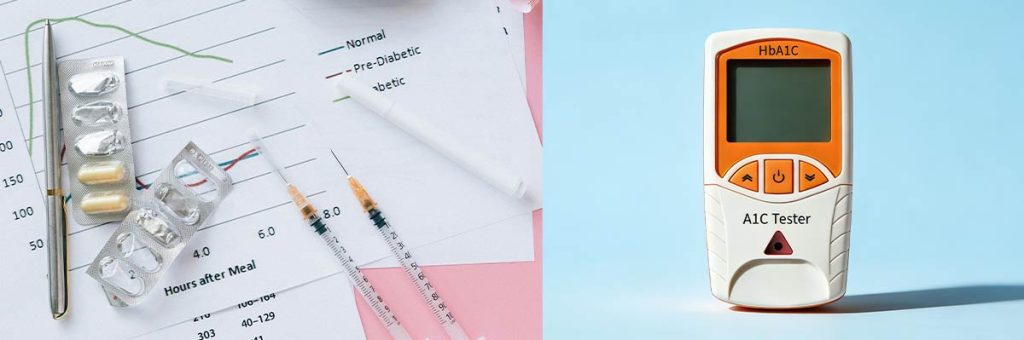
Unstable blood sugar requires more frequent HbA1c testing. Adults with type 2 diabetes who have fluctuating levels should test every three to six months until they achieve stability. Testing every three months for those with hba1c above 7% leads to better glycemic control and helps identify high HbA1c levels early.
| Condition | Recommended Testing Interval |
|---|---|
| Adults with type 2 diabetes | Every 3 to 6 months until stable on unchanging therapy |
Regular monitoring allows healthcare providers to adjust treatment and follow guidelines for optimal diabetes care.
Personalizing Your Testing Plan
Healthcare Provider Guidance
Healthcare providers play a key role in personalizing an A1C test schedule. They assess each person’s physiological profile and use diagnostic tools to create a plan that fits individual needs. Some people may only need lifestyle changes to manage HbA1c, while others require medication. Providers consider risk factors, age, and overall health when recommending how often to check HbA1c. This approach ensures that managing diabetes remains effective and safe for each person.
A tailored plan helps address glycemic control and can identify factors that contribute to metabolic dysfunction.
Using An A1C Tester
Many people use an A1C tester for at-home a1c test monitoring. Home kits help track trends between doctor visits, but they do not replace professional laboratory testing. At-home finger prick tests offer convenience, yet laboratory blood draws remain the standard for accuracy. Several factors, such as hemoglobin variants or chronic conditions, can affect A1C test results. Discussing results with a healthcare provider ensures correct interpretation.
- Home A1C testers are useful for:
- Monitoring changes between appointments
- Supporting daily diabetes management
- Laboratory tests are preferred for:
- Confirming diagnosis
- Ensuring accuracy in complex cases
| Evidence Source | Summary |
|---|---|
| Community-based POC-cHbA1c testing | Comparable accuracy to laboratory tests |
| The Need for Point-of-Care HbA1c Testing | Accuracy can vary due to certain conditions |
| Testing Your Patient’s Hemoglobin A1c Levels | Factors like hemoglobin variants may cause discrepancies in results |
Adjusting for Your Health Needs
People should adjust their HbA1c testing schedule as their health status changes. The following table shows how frequency may change based on therapy and target levels:
| HbA1c Testing Frequency | Condition/Status | Target HbA1c Level |
|---|---|---|
| Every 3 to 6 months | Until stable on unchanging therapy | 48 mmol/mol (6.5%) for lifestyle |
| Every 6 months | Once stable on therapy | 53 mmol/mol (7.0%) for medication |
| ≥58 mmol/mol (7.5%) | If not controlled by a single drug | Aim for 53 mmol/mol (7.0%) |
| Relax target | Older or frailer individuals | Case-by-case basis |
Regular a1c test monitoring allows for timely adjustments. Healthcare providers may recommend more frequent testing if blood sugar becomes unstable or if treatment changes. Using an A1C tester at home can support ongoing monitoring, but professional guidance remains essential for interpreting results and making decisions.
Between HbA1c Tests
Daily Blood Sugar Checks
People who manage diabetes often check blood sugar levels every day. These checks help them see how food, exercise, and medication affect glucose. Continuous glucose monitoring (CGM) devices give real-time data, while fingerstick meters offer quick snapshots. Both methods support daily decisions about meals and activity. The A1C test shows average glucose over months, but daily checks reveal patterns and sudden changes.
| Method | Purpose | Benefits |
|---|---|---|
| CGM | Day-to-day management | Provides real-time data for immediate decision-making |
| HbA1c | Long-term evaluation | Offers a long-term perspective on glucose control |
Daily monitoring and the A1C test work together. CGM helps people react to high or low blood sugar levels right away. The A1C test tracks long-term progress. Both tools play a role in testing for diabetes and ongoing care.
Healthy Habits for Better HbA1c
Healthy habits can improve blood sugar levels and support better HbA1c results. People who eat balanced meals, stay active, and get enough sleep often see more stable glucose. Drinking water and limiting sugary drinks also help. Stress can raise glucose, so relaxation techniques like deep breathing or walking may lower blood sugar levels.
Tip: Small changes, such as adding a daily walk or choosing whole grains, can make a big difference in glucose control.
Doctors encourage people to track their blood glucose level and notice trends. These habits help lower A1C and reduce the risk of complications. Understanding how to read A1C test results can motivate people to keep up with healthy routines.
Preparing for Your Next A1C Test
Preparation for the next A1C test starts with regular blood sugar checks and healthy choices. People should bring a record of their blood sugar levels to appointments. This information helps doctors see how daily glucose matches long-term HbA1c results.
Before the test, people do not need to fast. They should continue normal routines. If they use an A1C tester, they can compare those results with lab tests. Doctors use both sets of data to adjust treatment and set new goals for glucose and A1C.
Note: Consistent tracking and honest conversations with healthcare providers lead to better outcomes.
People who follow these steps often see improved HbA1c at their next visit.
Conclusion
Current research shows that regular HbA1c testing leads to improved results for people with type 2 diabetes. Only half of patients follow recommended testing schedules, which affects results and increases the risk of complications. Healthcare providers recommend checking HbA1c every six months for stable control and every three months for those with uncontrolled symptoms of diabetes. Adherence to these guidelines produces better results and lowers the risk of chronic kidney disease.
| Adherence Level | Median HbA1c Testing Frequency | HbA1c Control Status | Risk of CKD (OR) |
|---|---|---|---|
| High | 1.6 tests/year | Controlled/Improved | 0.42 (95% CI 0.18 to 0.99) |
| Low | 1.6 tests/year | Increased/Uncontrolled | N/A |
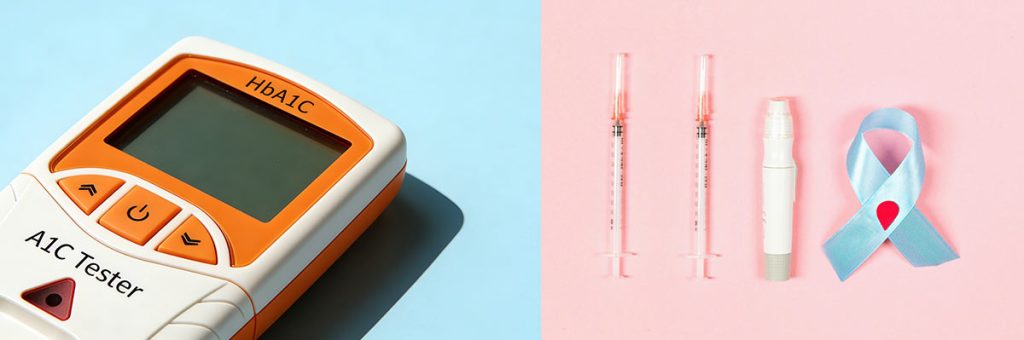
Proactive management includes using tools like the A1C tester for regular checks. The device supports ongoing results tracking and helps identify symptoms of diabetes early. Patients who use an A1C tester see improved results and can discuss these results with their healthcare provider for timely adjustments. Individualized care increases satisfaction and confidence in results, as shown by higher satisfaction scores for point-of-care testing.
- A1C tester enables convenient results monitoring.
- Individual self-management programs improve results and HbA1c control.
A functional medicine approach focuses on education and lifestyle changes, which improves results and patient outcomes. Each person receives care tailored to their needs, leading to better results and satisfaction. Consistent results tracking and communication with healthcare providers ensure optimal management of symptoms of diabetes.
Patients who follow recommended testing schedules and use tools like the A1C tester achieve better results and experience improved quality of life.
FAQ
How Often Should Someone With Diabetes Test Their HbA1c?
People with diabetes should test their HbA1c at least twice a year if their blood sugar remains stable. If they change medication or their blood sugar becomes unstable, they should test every three months. Regular test scheduling helps track progress and supports better management.
Can Someone Use An At-Home A1C Tester Instead Of Lab Tests?
An at-home A1C tester offers convenience for frequent test monitoring. However, laboratory tests remain the gold standard for accuracy. People should use an at-home tester to track trends but rely on lab tests for diagnosis and treatment decisions.
What Does the HbA1c Test Measure?
The HbA1c test measures the average blood sugar level over the past two to three months. This test helps healthcare providers see how well someone manages their diabetes. The test does not require fasting and can be done at any time.
How Can Someone Diagnose Prediabetes with an HbA1c Test?
A healthcare provider can diagnose prediabetes with an HbA1c test. If the test result falls between 5.7% and 6.4%, it indicates prediabetes. Regular test monitoring helps catch changes early and supports prevention strategies.
Why Should People Test Their HbA1c Even If They Feel Fine?
People should test their HbA1c regularly because high blood sugar often causes no symptoms. The test can reveal hidden problems and help prevent complications. Regular test results guide treatment and support long-term health.