
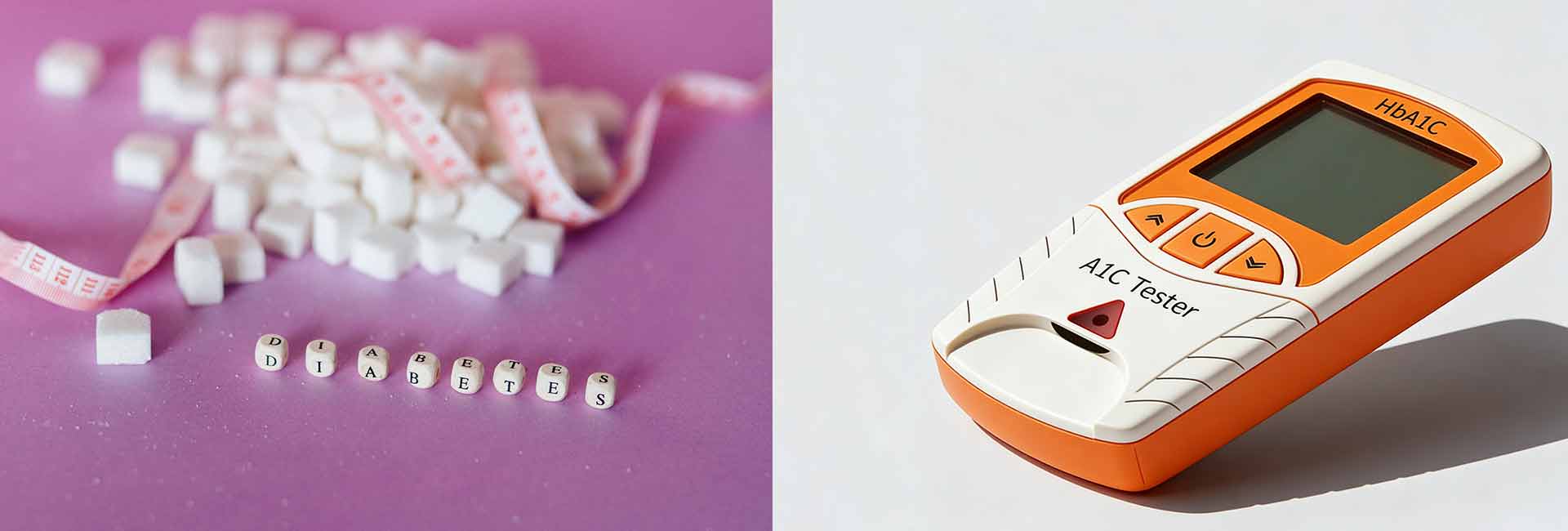
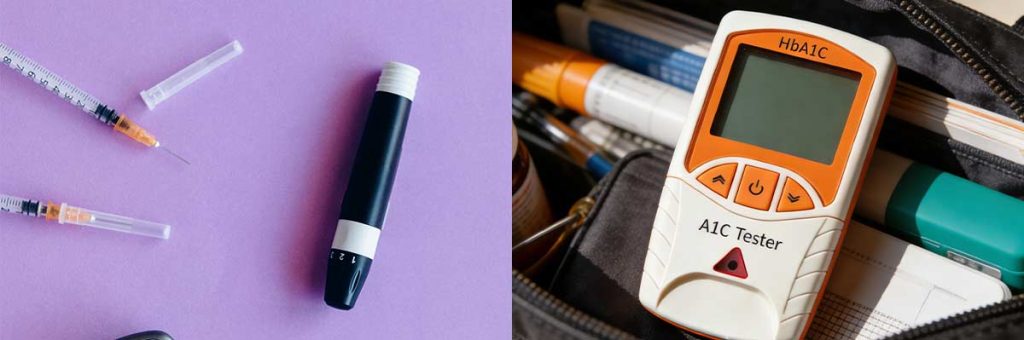


The best choice for at-home testing depends on what each person values most. Some people want the highest accuracy, while others need results quickly or prefer convenience. Both mail-in lab and point-of-care test options meet different needs. For example, the A1C tester helps people monitor diabetes without leaving home. Real-world situations often guide which method works best.
Key Takeaways
- Mail-in lab tests provide thorough analysis and professional oversight, making them ideal for monitoring chronic conditions like diabetes.
- Point-of-care tests deliver immediate results, offering convenience for those who need quick answers without waiting for lab reports.
- Consider your health needs and priorities when choosing between mail-in lab tests and point-of-care tests to ensure the best fit.
- Consulting healthcare professionals can enhance your understanding of test results and guide you in making informed health decisions.
- Both testing methods play important roles in health management, improving patient outcomes through timely and accurate diagnostics.
Test Types Overview
Mail-In Lab Test
Mail-in lab tests allow individuals to collect samples at home and send them to a professional laboratory for analysis. This method uses laboratory testing to deliver results that often match the accuracy of traditional clinical settings. People receive a kit, follow instructions to collect a sample, and mail it to the lab. The laboratory testing process includes advanced equipment and trained staff, which increases reliability. Many mail-in lab tests cover a wide range of health concerns. For example, the A1C tester helps people monitor diabetes by measuring average blood sugar levels. Other common mail-in tests include at-home STI screening, HIV screening using dried blood spot cards, hormone testing for fertility, and cervical cancer screening. Laboratory testing ensures that results are reviewed by professionals, which adds confidence for users.
Mail-in lab tests suit those who value thorough analysis and professional oversight.
| Test Type | Description |
|---|---|
| At-home STI tests | Screen for infections like gonorrhea, chlamydia, syphilis, and HIV. |
| HIV screening | Uses a dried blood spot card; patients mail the sample to a lab. |
| Gonorrhea testing | Requires 3-site testing with self-collection from multiple areas. |
| HbA1c testing | Used for diabetes monitoring, available through remote diagnostic tests. |
| Hormone testing | For fertility and other health assessments, part of remote diagnostic offerings. |
| Cervical cancer screening | Another example of a mail-in lab test available through at-home diagnostics. |
Point-of-Care Test
Point-of-care tests provide immediate results at home or in a clinical setting. These tests use simple devices that require only a small sample, such as a drop of blood or a nasal swab. The A1C tester also appears as a point-of-care option for diabetes management, giving users quick feedback on their blood sugar control. COVID-19 tests represent another widely used point-of-care diagnostic test, offering rapid answers without laboratory testing. People benefit from the speed and accessibility of these tests, especially when they need answers fast. Point-of-care tests often focus on specific conditions, such as infectious diseases or chronic health issues. The diagnostic test process is straightforward, making it easy for users to perform at home.
Point-of-care tests help those who need fast results and prefer convenience.
At-Home Diagnostics Comparison
Accuracy and Reliability
At-home diagnostics have transformed how people monitor their health. Many users want high accuracy when checking for conditions like diabetes or cholesterol problems. Mail-in lab tests often provide the most reliable results because professional laboratories use advanced equipment and strict quality controls. These labs check for sensitivity and accuracy, which means they can detect even small changes in blood or saliva samples.
Point-of-care tests, such as the A1C tester, also show strong performance in accuracy for many common conditions. Studies show that devices like CardioChek and Cholestech LDX have high correlation coefficients with laboratory results for cholesterol and triglycerides. The table below compares these devices:
| Test Device | Correlation Coefficient | Coefficient of Variation (CV) | Notes |
|---|---|---|---|
| CardioChek | 0.86 | ≈ 12% | Total cholesterol correlation with lab results. |
| 0.74 | ≈ 22% | HDL cholesterol correlation with lab results. | |
| 0.98 | ≈ 14% | Triglycerides correlation with lab results. | |
| Cholestech LDX | 0.97 | ≈ 5% | Total cholesterol correlation with lab analysis. |
| 0.95 | 5–10% | HDL correlation with lab analysis. | |
| 0.91 | N/A | TC correlation with lab analyses. | |
| 0.88 | N/A | LDL-C correlation with lab analyses. | |
| 0.77 | N/A | HDL-C correlation with lab analyses. | |
| 0.93 | N/A | Triglycerides correlation with lab analyses. | |
| >0.9 | N/A | General correlation for Cholestech with lab methods. | |
| >0.84 | N/A | General correlation for CardioChek with lab methods. |
A recent trial in Australia found that point-of-care testing for diabetes and cholesterol matched the clinical effectiveness of laboratory testing. Patients using at-home diagnostics like the A1C tester showed equal or better medication adherence. Both general practitioners and patients supported these tests for their convenience and efficiency.
Glucometers used for diabetes monitoring must meet strict standards. For example, ISO 15197:2013 requires that 95% of results fall within a narrow range of the laboratory reference value. This ensures that at-home diagnostics for blood sugar control remain trustworthy for daily use.
Speed and Accessibility
Speed matters for many people who use at-home diagnostics. Mail-in lab tests usually take several days to a week to deliver results. This delay happens because samples must travel to a lab, where staff process and analyze them. People who need answers quickly may find this waiting period stressful.
Point-of-care tests, such as the A1C tester, offer fast results. Users can see their numbers within minutes or hours. This speed helps people make decisions about their health right away. For example, someone with diabetes can adjust their diet or medication based on the latest reading.
Accessibility also plays a key role in at-home diagnostics. Point-of-care testing improves access for people in rural or underserved areas. These tests do not require travel to a distant clinic or hospital. People can use them at home or in community centers. However, some challenges remain, such as keeping enough supplies in stock and training healthcare workers to use the devices correctly. With proper support, at-home diagnostics can close gaps in healthcare access and improve outcomes for many groups.
Sample Size and User Experience
Sample size affects how easy it is to use at-home diagnostics. Mail-in lab tests often need a larger blood or saliva sample. Collecting these samples can feel uncomfortable or difficult for some users. The process may involve finger pricks, swabs, or even small tubes for blood collection.
Point-of-care tests usually require a much smaller sample. The A1C tester, for example, only needs a drop of blood from a fingertip. This makes the experience less painful and more convenient. Many people prefer these tests because they are simple and quick to use. The instructions are clear, and the devices often show results on a screen right away.
At-home diagnostics continue to improve in both user experience and technology. People can now choose tests that fit their comfort level and health needs. The combination of small sample size, fast results, and convenience makes point-of-care tests a popular choice for many.
Mail-In Lab Advantages
Comprehensive Analysis
Mail-in lab tests offer a level of analysis that point-of-care tests cannot match. They can detect a wide range of health markers and conditions in a single sample. Many mail-in labs use advanced technology to test for multiple pathogens, analyze antibiotic resistance, and provide detailed reports. This approach helps patients and healthcare providers make informed decisions about treatment.
Some mail-in tests cover areas like food sensitivities, inflammation, hormone levels, and genetic markers. For example, a food sensitivity test can check for reactions to 240 different foods. A thyroid test can measure several hormones from a single finger prick. These comprehensive panels give a full picture of a person’s health.
| Test Type | Description |
|---|---|
| Comprehensive Mail-In Tests | Tests for a wide range of pathogens with antibiotic resistance analysis for tailored treatment. |
| Food Sensitivity Test | Comprehensive test for 240 foods to identify food intolerances. |
| Inflammation & Vitamin D Test | Measures C-reactive protein as a marker of inflammation and vitamin D levels. |
| Thyroid Test | Assesses TSH, fT4, fT3, rT3, and TPO antibodies through a simple finger prick sample. |
| Celiac Genetic Test | Identifies necessary genes for gluten intolerance; a negative result indicates no celiac disease. |
| Women’s Health Test | Evaluates five key hormones: Progesterone, Testosterone, DHEA, Cortisol, and Estradiol. |
| Diurnal Cortisol Test | Measures cortisol levels over 24 hours to assess natural diurnal rhythm. |
- Advanced mail-in tests can:
- Analyze infections and antibiotic resistance.
- Test for up to five times more pathogens than standard point-of-care tests.
Comprehensive mail-in lab analysis supports personalized treatment and helps patients understand their health in detail.
Professional Oversight
Laboratory professionals play a key role in the accuracy and reliability of mail-in lab tests. They validate testing methods, monitor performance, and set standards for specimen stability. Their expertise ensures that every test meets strict quality requirements.
The table below shows how laboratory professionals improve the testing process:
| Role of Laboratory Professionals | Impact on Diagnostic Accuracy and Patient Outcomes |
|---|---|
| Validating methods | Ensures tests are reliable and accurate |
| Monitoring performance | Maintains consistency in test results |
| Establishing stability criteria | Ensures specimens remain viable for testing |
| Creating consumer-friendly instructions | Enhances user understanding and compliance |
| Managing licensure | Ensures compliance with regulations |
| Maintaining quality control records | Supports ongoing accuracy and reliability |
| Training non-lab personnel | Improves overall testing process and outcomes |
| Ensuring secure data flow into EHR | Facilitates timely and accurate patient care |
Professional oversight also means that users receive clear instructions and support. This guidance helps people collect samples correctly and understand their results. With expert review and quality control, mail-in lab tests provide confidence and peace of mind for those seeking accurate health information.
Point-of-Care Test Benefits
Immediate Results
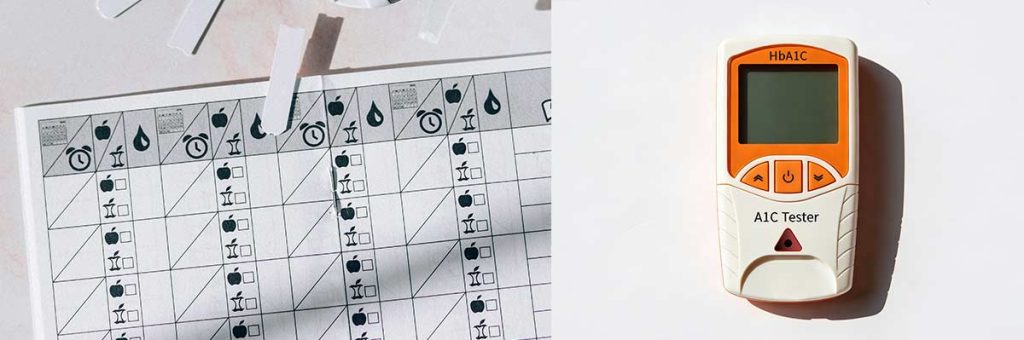
A point-of-care test delivers results quickly, often within minutes. This speed helps patients and healthcare providers make decisions without delay. For example, an urgent care rapid test can identify infections or monitor blood sugar levels during a single visit. Many people rely on these tests when they need answers right away. The best diagnostic tools for urgent care often include point-of-care tests because they provide immediate feedback. This feature supports timely treatment and reduces anxiety for those waiting for results. In situations where every minute counts, such as managing diabetes or detecting contagious diseases, a point-of-care test offers a clear advantage.
Convenience and Accessibility
Point-of-care test options stand out for their on-site convenience and accessibility. They allow patients to check their health at home, in clinics, or even in community centers. Remote testing becomes possible for people who cannot travel easily. Many groups benefit from this flexibility:
- Homebound patients who cannot reach a doctor’s office or lab
- Patients with disabilities who face challenges visiting medical facilities
- Elderly patients who lack transportation or assistance
- Caregivers who find it difficult to bring loved ones to appointments
- Patients recovering from illness or surgery with limited mobility
- Anyone who prefers the comfort and privacy of their own home
These advantages make point-of-care test solutions valuable for a wide range of users. People can avoid long waits and reduce exposure to crowded healthcare settings. The simplicity of these tests means that most users can follow instructions without special training. As a result, point-of-care tests improve health monitoring for those who need it most.
Limitations of Mail-In Labs
Turnaround Time
Mail-in lab tests often require more time to deliver results than point-of-care options. People must collect their samples, package them, and send them to a laboratory. The lab then processes the sample and generates a report. This process introduces delays that can affect decision-making for health management.
The average turnaround time depends on the type of analysis. Quick analyses, such as basic blood sugar or cholesterol checks, usually take 2 to 3 days. Standard analyses, which include more complex panels or genetic testing, may require 12 to 14 days. The table below shows typical turnaround times for mail-in lab tests:
| Type of Test | Average Turnaround Time |
|---|---|
| Quick Analyses | 2-3 days |
| Standard Analyses | 12-14 days |
Patients who need immediate answers may find these wait times challenging. Delays can cause anxiety, especially when results impact treatment decisions.
Sample Handling
Sample handling presents another limitation for mail-in lab tests. Users must follow instructions carefully to collect and package their samples. Mistakes during collection or packaging can lead to rejected samples or inaccurate results. For example, improper sealing or contamination may affect the quality of the specimen.
Mail-in tests often require users to store samples at a certain temperature or mail them within a specific time frame. If users do not follow these steps, the laboratory may not process the sample. This risk increases when shipping delays or extreme temperatures occur during transit.
- Common sample handling challenges include:
- Insufficient sample volume
- Incorrect labeling
- Delayed shipping
- Exposure to heat or cold
Laboratories set strict guidelines to reduce errors, but users must take responsibility for proper handling. Reliable results depend on both the user’s actions and the laboratory’s procedures.
Point-of-Care Test Limitations
Accuracy Variability
Point-of-care tests show differences in accuracy across various test types. Glucose meters, for example, can display accuracy variability greater than 20% before users receive proper training. After intervention, this variability drops to 6.3%, with a range between 5.5% and 7.6%. High control groups achieve even lower variability, around 4.8%, ranging from 4.1% to 6.5%. HbA1C testing and UACR testing also demonstrate improved accuracy over time as users gain experience. The table below highlights these differences:
| Test Type | Accuracy Variability (%) | User Competency Impact |
|---|---|---|
| Glucose Meters | >20% before intervention | Significant |
| 6.3% (range 5.5%–7.6%) after intervention | ||
| 4.8% (range 4.1%–6.5%) for high control | ||
| HbA1C Testing | Median CV% improved over time | Significant |
| UACR Testing | Median CV% improved over time | Significant |
User competency plays a major role in accuracy. People who follow instructions carefully and practice proper technique see better results. Inexperienced users may produce inconsistent readings, which can affect health decisions. Healthcare providers often recommend training or supervision for those new to point-of-cares.
Consistent technique and regular practice help reduce errors in point-of-care testing.
Limited Test Range
Point-of-care tests usually focus on a narrow set of health conditions. Most devices target specific markers, such as blood glucose or infectious diseases. Unlike mail-in lab tests, which analyze multiple parameters from one sample, point-of-care options rarely offer comprehensive panels. This limitation means that patients may need several devices to monitor different aspects of their health.
Some tests, like the A1C tester, provide valuable information for diabetes management. Others, such as rapid COVID-19 tests, deliver quick answers for infection control. However, people seeking broader health insights must rely on laboratory testing. Point-of-care devices serve best for immediate needs and single-condition monitoring.
Patients with complex health concerns benefit from combining point-of-care tests with mail-in lab analysis for a complete picture.
Use Cases
When to Choose Mail-In Labs?
Mail-in lab tests fit many situations where people need privacy, thorough analysis, or regular monitoring of chronic conditions. They allow individuals to collect samples at home and send them to a professional lab. This method works well for those who want to avoid clinic visits or who value confidentiality.
- People use mail-in labs to:
- Monitor chronic diseases, such as diabetes, high cholesterol, and high blood pressure.
- Help diagnose conditions like celiac disease or vitamin D deficiency.
- Check organ function, including kidney and liver health.
- Screen for disorders, such as hormone imbalances or food sensitivities.
Mail-in lab tests also support privacy. Individuals can test for sexually transmitted diseases (STDs) at home without visiting a clinic. This approach helps those who worry about stigma or want to keep their health information private.
Mail-in lab tests offer a convenient way to manage health from home, especially for ongoing conditions or when privacy matters most.
When to Choose Point-of-Care Test?
Point-of-care tests provide fast answers in urgent or routine situations. These tests work well for people who need immediate results or who want to manage their health without waiting for lab reports. The A1C tester, for example, helps people with diabetes track their blood sugar control during a single visit. Healthcare providers use this tool to monitor treatment goals and improve patient outcomes.
The table below shows common scenarios where point-of-care tests make a difference:
| Scenario | Benefit |
|---|---|
| Creatinine Testing | Rapid kidney function assessment before imaging procedures. |
| Drug of Abuse Screening | Shorter emergency department stays with quick results. |
| D-Dimer Testing | Fewer unnecessary admissions for suspected blood clots. |
| Influenza Testing | Reduced antibiotic use and hospital admissions with faster diagnosis. |
Point-of-care tests also help in community settings, at home, or in clinics. They support quick decisions during emergencies and make health monitoring easier for those with limited access to traditional labs.
Point-of-care tests give patients and providers the speed and convenience needed for effective health management.
Making Your Choice
Key Questions
Selecting between a mail-in lab test and a point-of-care test requires careful thought. Each person faces unique health needs and priorities. Before making a decision, individuals should ask themselves several important questions:
- What level of convenience does the situation require?
Mail-in lab tests connect patients to healthcare providers and often include follow-up care. Point-of-care tests offer speed and simplicity but may not provide medical oversight. - How quickly are results needed?
Point-of-care tests deliver immediate answers. Mail-in lab tests take longer but can support ongoing care and more comprehensive analysis. - Is professional guidance important for interpreting results?
At-home diagnostics often include a pathway to medical advice. Point-of-care tests may leave users without follow-up, especially for sensitive conditions. - What are the personal health goals?
Monitoring a chronic condition, screening for a specific disease, or checking overall wellness can influence the best choice. - Are there specific symptoms or concerns?
Symptoms like fatigue, pain, or changes in health should guide the selection of the most appropriate test.
Individuals who consider these questions can better match their needs to the right testing method.
Consulting Professionals
Healthcare professionals play a vital role in the testing process. They help individuals understand which tests fit their health goals and current symptoms. Many people consult with doctors or clinical laboratory scientists before choosing a test. These experts have specialized training and stay updated on the latest diagnostic methods.
Professional guidance becomes even more important when interpreting test results. Laboratory reports are designed for trained providers. Without expert help, many people find it difficult to understand what their results mean. Healthcare professionals explain the findings, answer questions, and recommend next steps. They ensure that patients receive accurate information and appropriate care.
Consulting with a healthcare provider adds confidence and clarity to the testing process. This step helps individuals make informed decisions and supports better health outcomes.
Conclusion
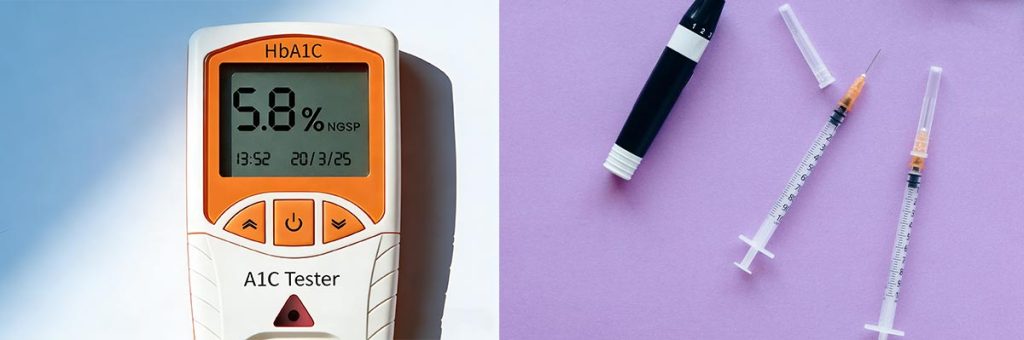
Choosing between mail-in lab and point-of-care tests depends on each person’s priorities. Both options play important roles in health management. Healthcare experts note several benefits:
- They provide rapid and accurate diagnostics for timely decisions.
- They improve patient outcomes through early interventions.
- They streamline healthcare workflows and support antimicrobial stewardship.
Individuals should consider their needs, review the advantages and limitations, and consult healthcare professionals. Tools like the A1C tester show how both methods can enhance personal health.
FAQ
What Does POCT Stand For?
POCT stands for point-of-care testing. This method allows individuals to perform diagnostic tests at or near the site of patient care. POCT provides rapid results, which helps with immediate decision-making in many healthcare settings.
How Accurate Are POCT Devices Compared to Mail-In Labs?
POCT devices offer reliable results for many common conditions. However, laboratory tests often provide higher accuracy due to advanced equipment and professional oversight. Users should follow instructions carefully to improve POCT accuracy.
When Should Someone Choose POCT Over Mail-In Lab Tests?
POCT works best when fast results are needed. For example, people managing diabetes or checking for infections benefit from immediate feedback. POCT also helps those who cannot visit a clinic or need answers outside regular lab hours.
Can POCT Be Used for Chronic Disease Monitoring?
Yes, POCT supports chronic disease management. Devices like the A1C tester allow people to track blood sugar levels at home. POCT helps patients and healthcare providers adjust treatment plans quickly.
Are There Any Limitations to POCT?
POCT has some limitations. It usually covers a limited range of conditions. Accuracy may vary based on user skill and device type. For complex health concerns, laboratory testing may offer more comprehensive analysis.
Tip: Always read the instructions before using any POCT to ensure the most accurate results.
- POCT improves access to healthcare for many people.
- POCT often requires only a small sample, making them user-friendly.
- POCT can reduce wait times for important health information.
| POCT Benefit | Description |
|---|---|
| Fast Results | Delivers answers in minutes |
| Easy to Use | Simple instructions for most users |
| Portable | Can be used at home or on the go |