
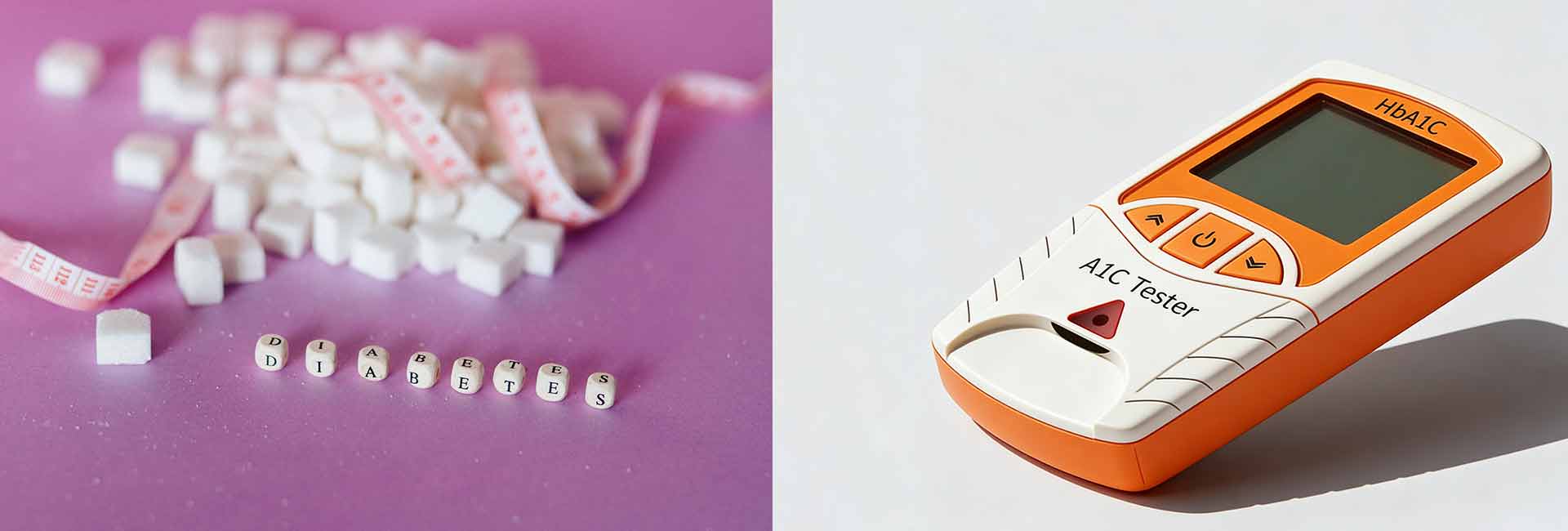


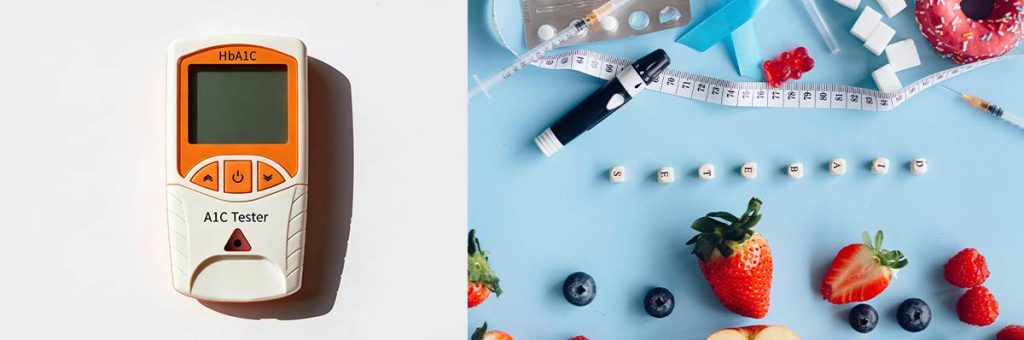
Many people feel nervous about finger pricks during the HbA1c test, especially when managing diabetes at home. The right preparation and technique help reduce discomfort and boost confidence. An A1C tester makes the process smoother for anyone.
Simple steps can empower individuals to take control of their HbA1c testing experience.
Key Takeaways
- Warming your hands before a finger prick improves blood flow, making the process smoother and less painful.
- Choose the sides of your fingers for pricking, as they have fewer nerves and can reduce discomfort.
- Stay hydrated before testing to ensure better blood flow and minimize the need for repeated pricks.
- Use a new, sterile lancet for each test to prevent pain and reduce the risk of infection.
- Rotate between different fingers and alternate sites to avoid soreness and allow healing.
Why the HbA1c Test Uses the Finger-Prick Method?
Purpose of the HbA1c Test
The hemoglobin A1C blood test measures the average blood glucose levels over the past two to three months. This test helps people with diabetes and their healthcare providers understand long-term blood glucose control. The HbA1c test does not require fasting, making it convenient for those who need to check blood sugar regularly. People with type 2 diabetes often use this test to monitor their progress and adjust their treatment plans. The ideal range for HbA1c varies based on individual health goals, but staying within this range supports better diabetes management. The test provides a broader view than daily self-monitoring glucose checks, which only show short-term changes.
The HbA1c test offers a reliable way to track blood sugar control and helps guide important decisions for diabetes care.
How the Finger-Prick Method Works?
The finger-prick method has become the preferred approach for HbA1c testing at home and in clinics. This method uses a finger-stick blood test, requiring only a small drop of blood. The process is quick and less invasive than traditional venous blood draws. Results from a point-of-care hba1c test are available within 5 to 10 minutes, allowing immediate feedback.
- The finger-prick method is less costly and requires fewer resources.
- It provides rapid results on-site, making it ideal for self-monitoring glucose.
- Venous blood draws need a trained phlebotomist and take longer, often 1-2 days for results.
The table below compares the finger-prick method with traditional laboratory methods:
| Advantage | Finger-Prick Method | Traditional Laboratory Method |
|---|---|---|
| Invasiveness | Less invasive | More invasive (venous sample) |
| Sample Size | Smaller blood sample | Larger blood sample |
| Speed of Results | Quicker results | Slower results |
| Cost | Less costly | More costly |
| Resource Requirement | Fewer resources | More resources needed |
The finger-prick method supports easy HbA1c testing and encourages regular monitoring. People can use an A1C tester to check blood sugar and maintain control over their diabetes. This approach helps individuals stay informed about their long-term blood glucose and make adjustments as needed.
Preparing for a Comfortable Finger Prick
Warm Hands for Better Blood Flow
Warming the hands before a finger prick can make the process easier and less painful. When the skin is warm, capillary blood flow increases. This improvement in blood flow helps produce a better blood sample and can reduce the time needed for the HbA1c test. Medical professionals often recommend warming the site before a blood draw. People can warm their hands by rubbing them together, running them under warm water, or holding a warm towel. Increased blood flow at the site also means less pressure is needed to collect the sample, which can help prevent discomfort and improve the accuracy of the results.
Tip: Warm hands help the blood flow more easily, making the finger prick smoother and faster.
Choosing the Best Finger and Spot
Selecting the right finger and spot for the prick can make a big difference in comfort. Medical experts suggest the following:
- Use the sides of the fingers, not the pads, because the sides have fewer nerves and more blood vessels close to the surface.
- Alternate between different fingers to avoid soreness in one area.
- Consider alternate sites, such as the arms or legs, if the device allows.
Choosing the correct spot can help reduce pain and prevent the buildup of sore spots. Rotating fingers also gives each finger time to heal between tests.
Hydration Tips
Staying hydrated supports better blood flow and makes it easier to collect a blood sample for the HbA1c test. Drinking water before testing helps keep the blood from becoming too thick. People should aim to drink a glass of water about 30 minutes before the test. Good hydration can also help reduce the need for repeated pricks, making the process more comfortable.
Note: Proper hydration and preparation can make the finger-prick experience much easier and less stressful.
Finger-Prick Method Techniques
Using the Side of the Finger
Selecting the right spot on the finger can make a significant difference in comfort during a finger-stick blood test. Many people with diabetes report less pain when they use the lateral side of the fingertip instead of the pad. In a survey of about 1,000 patients with type 1 and type 2 diabetes, more than half preferred the side of the fingertip for finger pricking. This area contains fewer nerve endings, which helps reduce discomfort. The finger-prick method works best when individuals rotate between fingers and avoid pricking the same spot repeatedly. This practice prevents soreness and allows each finger time to heal.
Tip: Pricking the side of the fingertip, rather than the center, can help minimize pain and make the test more manageable.
Adjusting Lancet Depth
Lancet depth plays a crucial role in both pain and blood sample quality during the HbA1c test. A deeper penetration increases the amount of blood collected but also raises pain levels, especially with thicker lancets. Studies show that at a depth of 0.9 mm, pain remains similar across different lancet sizes. However, pain rises noticeably at 1.2 mm, particularly with larger lancets. Adjusting the lancet to the lowest effective depth can help balance comfort and sample adequacy. Most modern A1C testers allow users to set the depth, making it easier to find a comfortable setting.
- Shallower settings reduce pain but may require gentle finger massage to obtain enough blood.
- Deeper settings increase blood flow but can cause more discomfort.
- Users should start with a lower depth and adjust as needed for their individual needs.
Quick and Confident Pricking
A quick and confident approach to the finger-prick method can further reduce discomfort and improve the quality of the blood sample. Several practical techniques help make the process smoother:
- Warm up hands by rubbing them together or placing them under warm water to boost blood flow.
- Use gentle pressure to massage from the palm toward the fingertip, avoiding excessive squeezing.
- Rotate testing sites by changing fingers or using alternate sites if the device allows, which helps prevent sensitivity.
- Try distraction techniques, such as using vibration devices, to reduce pain perception.
- Hydrate before the test by drinking water, which supports better blood flow.
- Stand upright and keep the hand below waist height to encourage blood movement.
- Massage the finger gently before pricking to help blood reach the surface.
- Switch to a different finger if one does not produce enough blood.
Note: Confidence and preparation can make the finger-prick method less stressful and more effective.
The Importance of Using a New Lancet Each Time
Using a new, sterile lancet for every test is essential for both comfort and safety. Fresh lancets remain sharp, which reduces pain and ensures a clean puncture. Reusing lancets can dull the tip, making the process more painful and increasing the risk of infection. Clean, single-use lancets also help maintain the accuracy of the blood sample for the HbA1c test.
- Always use a new lancet for each finger-stick blood test.
- Never reuse blood glucose lancets to avoid dullness and infection.
- Proper disposal of used lancets prevents accidental injury and contamination.
Alert: Using a fresh lancet for every test protects against infection and ensures reliable results.
By following these techniques, individuals can make the HbA1c test more comfortable and effective. Mastering the finger-prick method supports regular monitoring and better diabetes management.
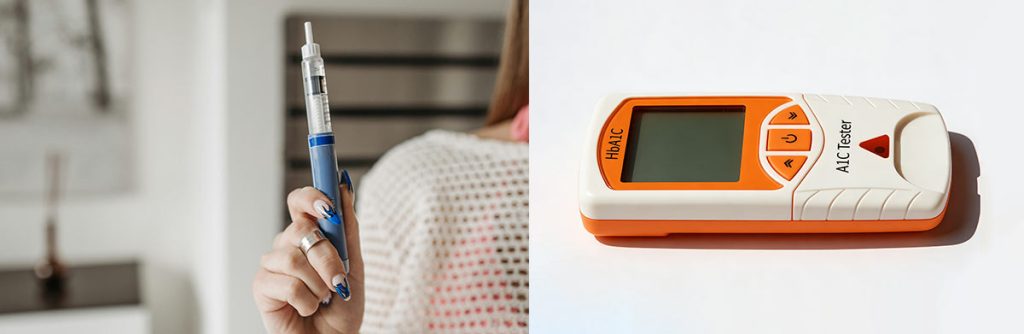
Aftercare and Infection Prevention
Applying Pressure
Healthcare professionals recommend applying direct pressure to the site after using the finger-prick method. This step helps stop bleeding quickly and prevents further blood loss. He should use a clean tissue or sterile gauze to press firmly on the area for several seconds. If bleeding continues, he may need to apply pressure for a longer period. Persistent bleeding could signal a more serious injury, so he should seek medical attention if necessary. This simple action supports a safe and effective test experience.
Tip: Applying pressure immediately after the test reduces the risk of bruising and speeds up healing.
Moisturizing the Skin
Frequent finger pricks can cause dryness and irritation. She should use moisturizers to protect her skin and maintain comfort. Ointments or creams work better than lotions. Ingredients such as jojoba oil, dimethicone, glycerin, hyaluronic acid, lactic acid, lanolin, mineral oil, petrolatum, or shea butter provide effective hydration. The table below shows recommended moisturizer types:
| Moisturizer Type | Characteristics |
|---|---|
| LIPIKAR Milk | Rich, thick, suitable for evening or winter use |
| LIPIKAR Baume AP+ | Rich, thick, suitable for evening or winter use |
| LIPIKAR Gel-Fluide | Light, hydrating, suitable for daytime or summer |
He should apply moisturizer after cleaning the site to prevent dryness and support skin health.
Keeping the Site Clean
Proper hygiene prevents infection after a finger-prick method. They should follow these steps:
- Use a new lancet for each test to avoid contamination.
- Dispose of used lancets and gloves in designated sharps containers.
- Maintain sterile conditions during the procedure.
- Cover the puncture site with a sterile bandage for a few hours.
- Clean the site with mild soap and water or saline, then pat dry with sterile gauze.
- Observe the site daily for signs of infection, such as redness or swelling.
These practices help keep the site clean and reduce the risk of complications after HbA1c test.
Note: Consistent aftercare supports healthy skin and reliable test results.
Troubleshooting Finger Prick Issues
Not Enough Blood Sample
Many people experience difficulty collecting enough blood during a finger-prick method. This problem can affect the accuracy of the test. Several factors contribute to this issue, such as cold hands, dehydration, or improper technique. The table below highlights common challenges and their implications:
| Evidence Description | Implication |
|---|---|
| Patients may struggle to collect enough blood from finger pricking on matrix paper. | This indicates a direct challenge in obtaining sufficient blood samples during the test process. |
| Sample size for each day was not equal to the total number of recruited participants. | Not all participants were able to provide adequate samples, highlighting the issue. |
To improve blood flow, he can warm his hands, stay hydrated, and massage the finger before pricking. If he still cannot collect enough blood, he should try a different finger or adjust the depth setting on the device.
Choosing the Right Lancet or A1C Tester
Selecting the correct lancet and A1C tester can make self-monitoring glucose easier and more comfortable. Different lancets offer various depths and thicknesses. He should choose a lancet that matches his skin type and comfort level. Some A1C testers allow users to adjust the depth, which helps reduce pain and improve blood collection. Finger-prick tests provide quick results for diabetes management, but venous blood tests remain more accurate for diagnosis. Proper technique and device selection ensure reliable results.
- Fingerstick blood testing gives fast feedback for monitoring.
- Venous blood draws are best for clinical diagnosis.
- A1C tester with adjustable settings can improve comfort.
Tip: He should always use a new lancet for each test to prevent infection and ensure a clean puncture.
Alternate Site Testing Options
Alternate Site Testing (AST) offers another way to collect blood for theHbA1c test. He can use sites such as the forearm, palms, legs, upper arm, or stomach if his meter or A1C tester supports AST. These sites may provide results similar to the finger-prick method when blood glucose levels remain stable. However, AST may lag behind fingertip results by about 20 minutes, especially during rapid changes in glucose levels. AST works best before meals, when fasting, or near bedtime. He should avoid AST when sick, stressed, or experiencing quick changes in blood sugar.
- Not all meters or A1C testers support AST.
- He should check his device instructions before trying alternate sites.
Note: If he continues to have trouble collecting a sample or if his glucose remains above 11.0 mmol/L, he should seek same-day advice from a diabetes specialist. Children and teenagers should contact their pediatric diabetes team without delay.
Benefits of the HbA1c Test
Reducing Daily Finger Pricks
The HbA1c test offers a significant advantage for people who need to monitor their blood sugar. He can use this test to track long-term glucose levels without frequent daily finger pricks. Many patients find this approach less stressful and more convenient. The hba1c test does not require fasting, which allows for flexible scheduling and easier access. He can perform the test during routine visits or at home with an A1C tester.
Tip: The HbA1c test helps reduce the need for multiple daily finger pricks, making diabetes management less intrusive.
Patients benefit from timely results, especially during their first visit. The test provides greater reproducibility and stability, even during illness or stress. He can rely on the results to assess his risk for cardiovascular disease and retinopathy. These factors make the HbA1c test a practical tool for people with type 2 diabetes who want to maintain control over their health.
Improving Diabetes Management
The HbA1c test plays a key role in improving diabetes management. He can use the test to measure average blood glucose over several months. This information helps him and his healthcare team make informed decisions. Regular testing supports effective management of prediabetes and diabetes.
Clinical studies show that patients who follow ADA guidelines are over five times more likely to achieve recommended HbA1c levels under 7%. Immediate results from point-of-care testing enhance motivation and encourage long-term adherence to diabetes management plans. After starting point-of-care testing, patients experience a 27% improvement in ADA-compliant testing and lower HbA1c levels.
- Regular hba1c testing provides timely feedback.
- The test correlates well with laboratory measurements.
- He can use the results to adjust his treatment and maintain control.
Note: The HbA1c test offers a reliable way to monitor progress and supports better outcomes for people managing diabetes.
Conclusion
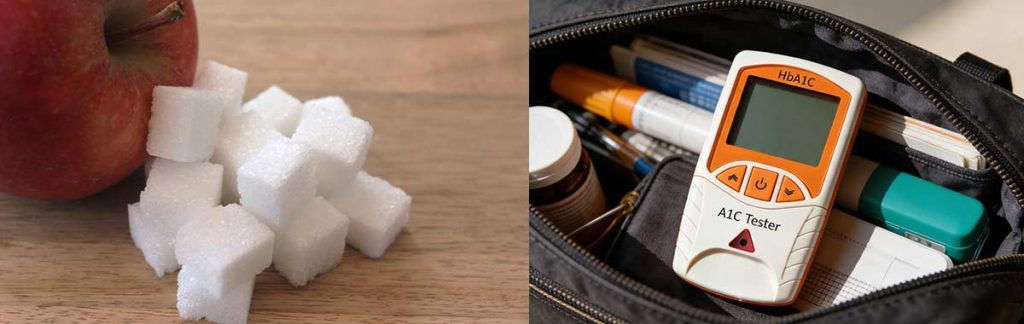
They can make finger pricks easier and less painful by following simple strategies:
- Adjust the lancing device depth and use thinner lancets.
- Shake and warm hands before the test to improve blood flow.
- Test on the sides of fingers and rotate sites to avoid soreness.
- Maintain clean, moisturized skin for comfort and healing.
Regular practice helps reduce pain and improves sample quality. Using an A1C tester at home offers privacy, convenience, and immediate results. Empowerment and confidence during HbA1c testing support better diabetes management and well-being.
FAQ
How Can He Reduce Pain During Finger Pricks?
He can warm his hands, use the side of his finger, and adjust the lancet depth. Using a new lancet each time also helps.
Tip: Confidence and quick action make the process easier.
What Should She Do If She Cannot Get Enough Blood?
She should drink water, massage her finger, and try a different finger. Adjusting the lancet depth may help.
- Warm hands
- Rotate fingers
- Increase depth if needed
Is It Safe for Them to Use Alternate Sites for Testing?
They can use alternate sites if their device supports it. These sites work best when blood glucose levels remain stable.
| Site | When To Use |
|---|---|
| Forearm | Before meals |
| Upper arm | When fasting |
How Often Should He Change the Lancet?
He should use a new lancet for every test. Reusing lancets increases pain and infection risk.
Alert: Always dispose of used lancets in a sharps container.
Can She Moisturize Her Fingers After Testing?
She can apply moisturizer after cleaning the site. Ointments or creams protect skin and prevent dryness.
- Use thick creams at night
- Choose products with lanolin or shea butter