

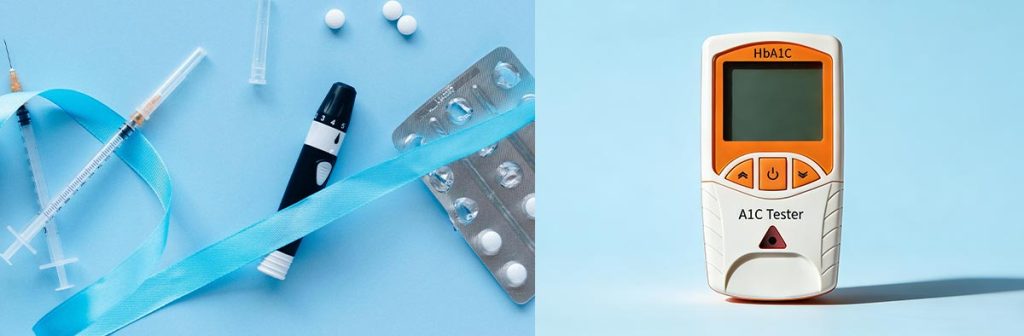


A point-of-care HbA1c machine offers clinics a valuable opportunity to improve patient outcomes while supporting strong financial performance. Clinics face rising demand for high-roi medical technologies as the global prevalence of diabetes increases and technological advancements transform medical diagnostics. The HbA1c testing devices market reached USD 2.04 billion in 2023 and is projected to grow to USD 3.15 billion by 2030, driven by a compound annual growth rate of 6.48%. Investing in medical devices like these supports both revenue growth and operational efficiency, allowing clinics to meet evolving patient needs and maximize their investment.
Key Takeaways
- Investing in point-of-care HbA1c machine can improve patient care and clinic efficiency.
- Clinics should evaluate both financial and non-financial benefits when assessing ROI.
- Regular training and integration of new technology are crucial for maximizing investment returns.
- Understanding market trends helps clinics make informed decisions about diabetes management tools.
- Accurate ROI calculations include all costs and benefits, ensuring better financial planning.
Understanding ROI for Point-of-Care HbA1c Machine
What Is Medical Device ROI?
Medical device ROI measures the value a clinic gains from investing in new technology. For point-of-care HbA1c machine, ROI often focuses on time savings rather than direct cost reductions. Clinics may notice that the cost per test is higher with these devices. However, the efficiency gained in clinical workflows can justify the investment. Faster patient flow and fewer operational bottlenecks help clinics serve more patients and improve overall productivity.
Healthcare organizations use several metrics to evaluate ROI in technology investments. The table below outlines the most common metrics:
| Metric | Description |
|---|---|
| Financial Returns | Traditional ROI calculations focus on monetary gains, such as revenue generated from technology. |
| Improved Patient Outcomes | More than half of hospital leaders prioritize this metric, indicating its importance in evaluations. |
| Non-Financial Benefits | Metrics like saved lives and reduced pain are crucial but often overlooked in standard calculations. |
| Time to Realize Benefits | Benefits may take years to manifest, complicating ROI assessments. |
| Stakeholder Considerations | Different stakeholders have varying priorities, affecting how ROI is perceived and calculated. |
Medical device ROI goes beyond financial returns. Clinics must consider both direct and indirect benefits when evaluating new medical technology.
Why ROI Matters in Healthcare Investment?
ROI analysis plays a critical role in healthcare investment decisions. Clinics use ROI to measure financial benefits against costs, which supports better resource allocation and long-term planning. The analysis also includes non-financial benefits, such as improved patient satisfaction and enhanced quality of care. A thorough ROI analysis allows clinics to optimize investments and ensure sustainable growth.
Several key factors influence the importance of ROI in healthcare investment decisions:
| Key Factor | Description |
|---|---|
| Cost of RIS Implementation | Initial expenses related to software, hardware, training, and integration that affect ROI assessment. |
| Time Factor in Implementation | The duration of implementation impacts productivity and revenue, necessitating effective project management. |
| Efficiency Gains from RIS | Improvements in workflow, reduced errors, and better access to information that enhance ROI. |
Tip: Clinics that evaluate both financial and non-financial benefits of medical device ROI make more informed investment decisions and achieve better outcomes for patients and staff.
Market Trends and Investment Potential
Growth of the HbA1c Analyzer Market
The global HbA1c analyzer market continues to expand as more people receive a diagnosis of diabetes. Several factors drive this growth:
- The rising prevalence of diabetes increases the need for regular HbA1c monitoring.
- New technology improves the accuracy and speed of HbA1c testing.
- Healthcare providers shift toward decentralized and home-based HbA1c testing solutions.
- North America leads the market, holding about 39% of the global share in 2025.
- Asia Pacific shows the fastest growth, supported by a growing diabetic population and strong government healthcare programs.
These trends show that clinics and health systems recognize the value of investing in A1C tester. The market responds to the urgent need for better diabetes management and more accessible point-of-care hba1c testing.
Demand for Point-of-Care HbA1c Testing
Demand for point-of-care HbA1c testing has increased sharply in recent years. Clinics now use A1C tester more often during office visits. This change helps patients with diabetes receive timely care and supports better disease management. The following table highlights key findings from recent studies:
| Key Findings | Description |
|---|---|
| Increased Testing Frequency | Clinics perform HbA1c tests more often during patient visits. |
| Timely Management | Providers can manage diabetes more quickly for patients with worsening symptoms. |
| Professional Acceptance | Care teams prefer point-of-care HbA1c testing over standard lab tests. |
Point-of-care HbA1c testing offers several advantages for clinics and patients:
| Advantages | Description |
|---|---|
| Rapid Results | Providers receive HbA1c results quickly, which speeds up decisions. |
| Improved Efficiency | Clinics reduce the need for multiple visits for diabetes testing. |
| Increased Access | Patients in underserved areas gain better access to HbA1c testing. |
Note: The adoption of point-of-care HbA1c testing helps clinics respond to the growing diabetes epidemic. Clinics that invest in A1C tester can improve patient outcomes and streamline their operations.
Key Cost Factors in Point-of-Care HbA1c Machine Investment
Upfront and Recurring Costs
Clinics must consider both upfront and recurring costs when evaluating a point-of-care HbA1c machine. The initial purchase price can vary based on the type of device and its features. For example, basic glucose meters cost less, but lipid or HbA1c analyzers fall in the mid-range. Multiparameter point-of-care testing devices and clinical hematology analyzers have higher price tags. The following table shows typical costs:
| Type of Device | Upfront Cost Range | Recurring Cost per Test |
|---|---|---|
| Basic Glucose Meters | $20–$60 | $0.50–$1.00 |
| Lipid or HbA1c Analyzers | $100–$300 | $3–$8 |
| Multiparameter POCT Devices | $500–$2,000 | $10–$20 per full panel |
| Clinical Hematology Analyzers | $5,000–$20,000+ | Ongoing service contracts |
Premium models may offer advanced features, but many clinics find that mid-range analyzers provide the best value for routine monitoring. Recurring costs include test cartridges, quality control materials, and regular maintenance. These expenses impact the long-term financial outlook of the investment. Clinics should also plan for ongoing service contracts, especially for high-end medical devices.
Training and Integration Expenses
Training and integration represent important cost factors in the adoption of new medical technology. Staff must learn how to operate the A1C tester and follow proper testing procedures. Training sessions may require time away from patient care, which can affect clinic productivity. Integration with electronic health records or other medical systems may involve additional software or technical support. These steps ensure accurate results and smooth workflow but add to the overall financial commitment. Clinics that invest in comprehensive training and seamless integration often see better outcomes and fewer errors.
Note: Careful planning for all cost factors helps clinics maximize the financial and operational benefits of their medical device investment.
Revenue and Savings with Point-of-Care HbA1c Machine
Reimbursement and Revenue Streams
A point-of-care HbA1c machine creates new opportunities for clinics to generate revenue. Many insurance providers reimburse for point-of-care HbA1c testing, which supports clinics in covering the costs of the device and supplies. Clinics can bill for each HbA1c test performed during a diabetes management visit. This approach increases the number of reimbursable procedures and improves the clinic’s financial outlook. Some clinics report higher patient retention because immediate HbA1c results encourage patients to return for regular diabetes care. The ability to offer rapid HbA1c testing also attracts new patients who seek convenient and timely diabetes monitoring. Clinics that invest in point-of-care hba1c testing often see a positive impact on their financial performance.
| Revenue Source | Description |
|---|---|
| Insurance Reimbursement | Payment for each HbA1c test performed |
| Increased Patient Volume | More patients seek diabetes care at the clinic |
| Improved Patient Retention | Patients return for regular HbA1c monitoring |
Clinics that leverage point-of-care hba1c testing can maximize financial benefits while supporting better diabetes management.
Cost Savings and Efficiency Gains

A point-of-care HbA1c machine delivers significant cost savings and efficiency gains for clinics. These devices improve diagnostic accuracy, which leads to better patient outcomes and reduces unnecessary follow-up visits. Clinics no longer need to transfer patients to outside labs for HbA1c testing, which streamlines the workflow and saves time. Enhanced compliance with diabetes testing protocols supports more effective patient management. Some clinics have reported annual savings of up to $119,095 after implementing point-of-care HbA1c testing.
- Improved diagnostic accuracy reduces repeat tests and errors.
- Eliminating patient transfers saves staff time and resources.
- Streamlined workflows support optimizing clinic efficiency.
- Better compliance with diabetes testing protocols lowers long-term costs.
Point-of-care HbA1c testing helps clinics manage diabetes more effectively and supports both medical and financial goals. By investing in a point-of-care HbA1c machine, clinics can achieve better patient care and long-term savings.
ROI Calculation Steps for Medical Devices
Setting Assumptions and Inputs
Every clinic should begin an roi analysis by identifying the main assumptions and input variables. These factors shape the accuracy and usefulness of the final calculation. Clinics often consider the following standard inputs when evaluating a medical device:
- Upfront purchase price and installation costs
- Recurring expenses for test cartridges, maintenance, and quality control
- Training time and integration with electronic health records
- Expected utilization rates, such as the number of tests performed each week
- Reimbursement rates from insurance providers
- Labor cost savings from improved efficiency
The financial contribution margin can differ between types of physician visits. Specialist appointments may generate higher margins than primary care visits. Utilization rates also play a key role in determining the true profitability per hour of practitioner time.
The table below summarizes common data sources and factors used to set assumptions for roi analysis of point-of-care HbA1c machine:
| Factor | Description |
|---|---|
| Market Size | Insights into market size and penetration for the B2C model. |
| Financing | Information on pricing, payer coverage, and discount rates. |
| Consumer Behavior | Data on adoption rates, churn, and subscription duration. |
| Public Policy | Compliance costs and reimbursement delays affecting roi. |
| Technology | R&D, scalability, and marginal costs associated with the machines. |
| Accountability | Validation costs and adoption delays impacting financial outcomes. |
Clinics should also consider the levers improved by the product, the extent of improvement, and the timing of the impact. Some outpatient clinics have reported a 150-250% roi over three years, mainly due to a 30-50% reduction in labor costs.
Tip: Accurate assumptions lead to more reliable roi results. Overestimating utilization or underestimating hidden costs can distort the analysis.
Calculating Net Financial Returns
After setting assumptions, clinics can begin calculating roi. This process involves estimating total financial gains and subtracting all associated costs. The calculation should include both direct and indirect benefits, such as increased revenue from reimbursed tests and savings from reduced staff time.
A typical step-by-step approach includes:
- Estimate Annual Revenue: Multiply the expected number of tests per year by the average reimbursement rate.
- Calculate Cost Savings: Add up labor savings from faster workflows and fewer follow-up visits.
- Sum Total Costs: Include upfront purchase, recurring supplies, maintenance, and training.
- Determine Net Financial Return: Subtract total costs from total revenue and savings.
- Calculate ROI Percentage: Divide net financial return by total costs, then multiply by 100.
The following table shows a simplified example for a small clinic:
| Item | Annual Value ($) |
|---|---|
| Number of HbA1c Tests | 1,000 |
| Reimbursement per Test | $15 |
| Total Annual Revenue | $15,000 |
| Labor Cost Savings | $4,000 |
| Upfront Device Cost (Yearly Amortized) | $2,000 |
| Recurring Supply Costs | $5,000 |
| Maintenance and Training | $1,000 |
| Net Financial Return | $11,000 – $8,000 = $3,000 |
| ROI (%) | ($3,000 / $8,000) x 100 = 37.5% |
Clinics can also measure time savings. For example, entering HbA1c results into the EHR can take 3.5 minutes per test. Providers save time by having results available during patient visits, which reduces the need for follow-up appointments. The American Medical Association found that family doctors spend an average of 86 minutes nightly on EHR tasks. Point-of-care testing can help reduce this burden.
Note: Calculating roi should always include both costs and net returns. Ignoring indirect costs or overestimating adoption rates can lead to misleading results.
Interpreting ROI Results
After calculating roi, clinics must interpret the results in context. A positive roi indicates that the investment will likely generate more value than it costs. However, clinics should avoid common pitfalls:
- Overlooking hidden costs, such as training and downtime, can reduce actual returns.
- Overestimating utilization rates may result in unrealistic expectations.
- Ignoring long-term maintenance and support can create budget challenges.
Clinics should compare their roi results with industry benchmarks and consider both financial and non-financial benefits. Improved patient outcomes, better staff satisfaction, and streamlined workflows add value beyond the numbers.
Clinics that use a structured approach to calculating roi make more informed decisions about medical device investments. They balance financial metrics with operational and patient care goals.
Risks and Limitations of Investment
Maintenance and Reliability
Clinics face several risks when investing in point-of-care HbA1c machine for diabetes management. The reliability of A1C tester remains a primary concern. Over time, measured values from HbA1c machines can show significant variability. Lot-to-lot variation and analytic bias may affect the accuracy of HbA1c results. Clinics must monitor HbA1c machines against external standards. Relying only on periodic controls does not guarantee consistent performance. Even when proficiency tests produce satisfactory results, clinical values from HbA1c machines can drift upward or downward. This drift highlights the need for ongoing validation. Many HbA1c devices have failed to meet performance standards in historical studies. Clinics must carefully evaluate and monitor HbA1c machines to ensure reliable diabetes testing. The controversy surrounding the accuracy of HbA1c tester underscores the importance of continuous quality assurance.
Clinics that use HbA1c machines for diabetes care should establish strict protocols for regular calibration and validation. This approach helps maintain the accuracy of hba1c results and supports better diabetes management.
Regulatory and Adoption Challenges
Regulatory requirements and adoption challenges can impact the return on investment for HbA1c machines in diabetes clinics. Compliance costs and reimbursement delays affect profitability. Validation costs and adoption delays create barriers to market entry. Clinics must navigate regulatory restrictions, which introduce additional expenses and slow the adoption of HbA1c technology. High production costs increase operational expenses for diabetes testing. Health and environmental concerns present hurdles for clinics seeking to expand HbA1c testing services.
| Factor | Impact on ROI |
|---|---|
| Regulatory Restrictions | Compliance costs and market entry barriers |
| High Production Costs | Increased operational costs affecting profitability |
| Health/Environmental Concerns | Hurdles to market entry and competition affecting growth |
- Clinics must address compliance costs for HbA1c testing in diabetes care.
- Reimbursement delays can reduce the financial benefits of HbA1c machines.
- Validation costs and adoption delays may slow the integration of HbA1c devices.
Careful planning helps clinics overcome regulatory and adoption challenges. Clinics that understand these risks can make informed decisions about investing in HbA1c machines for diabetes management.
Making the Investment Decision
Key Questions for ROI Evaluation
Healthcare leaders should approach the decision to purchase a point-of-care HbA1c machine with a structured framework. They can start by asking:
- Does the device meet regulatory compliance and quality standards?
- How does the machine perform in clinical evaluations and risk management?
- What do vendor and supplier assessments reveal about reliability?
- Are there robust post-market surveillance practices in place?
- Does the clinic have access to performance data for ongoing monitoring?
Clinics should also consider how the device will impact both financial and non-financial outcomes. They need to ask if the roi calculation includes patient care improvements and staff satisfaction. Integrating financial metrics with patient care outcomes helps clinics assess the true value of their roi. A complete understanding of roi in healthcare includes not only cost savings but also the human impact of each decision.
Clinics that streamline processes while listening to patient feedback achieve more effective operations and meaningful recovery experiences.
Action Steps for Healthcare Decision-Makers
Decision-makers can follow several steps to ensure a successful strategic investment:
- Implement best practices for HbA1c testing to guarantee accurate and reliable results.
- Develop health education programs that inform patients about diabetes management.
- Use resources such as the Alliance Healthcare Technology Program for guidance during the purchasing process.
- Reference the American Diabetes Association’s guidelines for optimal use of point-of-care HbA1c testing.
Clinics should balance quantitative roi analysis with qualitative factors. New treatments may have high initial costs, but they can lead to long-term savings and improved patient quality of life. A thorough roi analysis considers saved lives and better community health, not just financial returns.
By using the outlined steps and market data, clinics can make informed decisions that support both financial goals and patient care excellence.
Conclusion

Clinics see strong ROI when investing in point-of-care HbA1c machine for diabetes management. Financial metrics and operational efficiency improvements drive value, as shown below:
| Investment Area | Impact on HbA1c and diabetes care |
|---|---|
| Diagnostic Technology Expansion | Increases analyzer capacity for diabetes testing |
| Innovation Investment | Boosts efficiency in HbA1c diagnostics |
| Regional Market Development | Reduces costs, maintains quality for diabetes care |
| Consolidation & Scale Opportunities | Enhances diagnostic and financial performance |
Clinics should weigh both financial returns and patient outcomes. Applying these steps helps clinics make informed decisions and improve diabetes care. Exploring industry guidelines and technology programs supports deeper evaluation.
FAQ
What Is the Typical Lifespan of a Point-of-Care HbA1c Machine?
Most point-of-care HbA1c machines last three to five years. Clinics extend lifespan with regular maintenance and calibration. Manufacturers provide guidelines for care and replacement.
How Accurate Are Point-of-Care HbA1c Test Results?
Point-of-care HbA1c machine delivers reliable results when clinics follow calibration protocols. Accuracy may vary between models. Clinics should compare device performance with laboratory standards.
Can Clinics Bill Insurance for Point-of-Care HbA1c Tests?
Clinics bill insurance for point-of-care HbA1c tests. Most insurers reimburse these procedures. Clinics must use correct billing codes and follow payer guidelines.
What Training Do Staff Need to Operate HbA1c Machines?
Staff need basic training on device operation, sample handling, and quality control. Manufacturers offer training materials. Clinics improve accuracy with regular refresher sessions.
Are There Any Common Maintenance Issues with HbA1c Machines?
Common maintenance issues include cartridge jams, calibration errors, and software updates. Clinics reduce downtime by following manufacturer instructions and scheduling routine checks.