
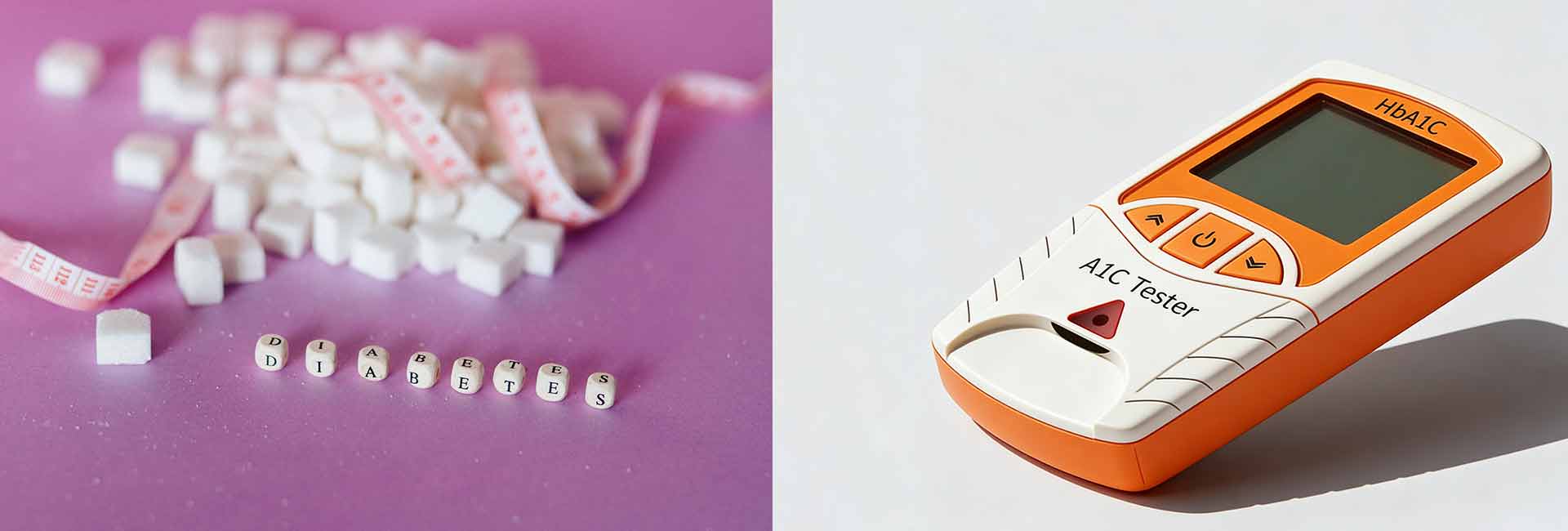
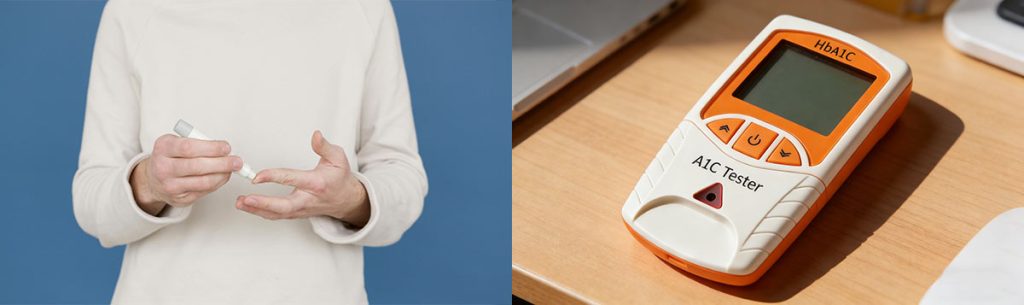


Many healthcare professionals recommend an A1C tester that combines accuracy, FDA approval, and simple operation for seniors. A1C Tester often stands out because it delivers reliable results and features a user-friendly design. Seniors benefit from an A1C tester that requires minimal steps and offers clear instructions. Regular A1C testing helps seniors detect prediabetes and manage diabetes more effectively. Important factors include how easy the A1C tester is to use, whether it has FDA approval, cost, and comfort with technology. Seniors and caregivers can feel confident in their choice when these needs come first.
Key Takeaways
- Choose an A1C tester that is easy to use. Look for devices with simple instructions and minimal steps to reduce confusion.
- Select testers with clear displays. Large, high-contrast screens and audible results help seniors with vision problems read their A1C results easily.
- Consider portability when selecting a tester. Lightweight and compact devices allow seniors to test their A1C levels anywhere, ensuring they stay on track.
- Check for FDA approval. This certification guarantees that the A1C tester meets safety and accuracy standards, which is crucial for effective diabetes management.
- Evaluate costs and insurance coverage. Look for affordable options and check with insurance providers to see if at-home A1C testers are covered.
Key Features in an A1C Tester
Ease of Use
Seniors often face unique challenges when managing diabetes at home. Many struggle with tasks that require fine motor skills or memory. An A1C tester with simple instructions and minimal steps can make a significant difference. Devices that require only a few actions help reduce confusion and frustration. Seniors benefit from testers that do not require complicated setup or calibration.
Tip: Look for testers with color-coded parts or audible cues. These features can help seniors remember each step during A1C testing.
Common challenges for seniors using a1c test kits at home include:
- Forgetting to test blood sugar or take insulin at the right times
- Eating irregularly or skipping meals because their appetite’s changed
- Struggling with meal prep due to physical limitations
- Vision problems that make reading medication labels nearly impossible
- Juggling prescriptions for multiple conditions simultaneously
Display and Readability
Clear displays play a crucial role in helping seniors read their A1C results. Large, high-contrast screens allow those with vision problems to see numbers easily. Some testers offer backlit displays, which help in low-light environments. Simple, bold fonts and minimal on-screen clutter also improve readability. Seniors with limited vision can benefit from testers that announce results aloud.
Sample Collection
Sample collection can be a challenge for seniors with arthritis or reduced hand strength. The best a1c test kits use small lancets and require only a tiny drop of blood. Seniors should look for testers that minimize discomfort and avoid complicated blood collection steps. Devices that use capillary action or have easy-to-handle test strips can make the process smoother.
Portability
Many seniors travel between homes or visit family frequently. A portable A1C tester allows them to keep up with regular testing wherever they go. Lightweight devices with compact carrying cases fit easily into a purse or bag. Portability ensures that seniors never miss an a1c test, even when away from home.
Accuracy and FDA Approval
Accuracy remains a top priority in diabetes care. Seniors need reliable results to make informed decisions about their health. FDA-approved a1c testers meet strict standards for accuracy and safety. Comparing at-home A1C test kits to laboratory tests shows that point-of-care devices perform well, though some differences exist.
| Metric | POCT Assay | Laboratory Assay |
|---|---|---|
| Coefficient of Variation (CV) | 1.39% (low) | <0.9% |
| 1.42% (mid) | ||
| 1.54% (high) | ||
| Correlation (r²) | 0.978 | 0.977 |
| Mean Absolute Difference | 0.2 | |
| Relative Mean Difference | 3.41% | |
| Percentage within ±0.2 | 53% | 72% |
| Percentage within ±0.4 | 85% | 97% |
| Negative Bias | 0.2 |
FDA approval ensures that the A1C tester has passed rigorous testing for accuracy and reliability. Seniors and caregivers should always check for this certification before purchasing a device.
Cost and Insurance
Cost can be a barrier for many seniors living on a fixed income. Some A1C test kits offer affordable options, while others may be more expensive due to advanced features. Insurance coverage can help offset the cost of regular testing. Seniors should check with their insurance provider to see if their plan covers at-home A1C testers. Choosing a device that balances cost, accuracy, and ease of use helps seniors maintain consistent diabetes care without financial strain.
Understanding Normal A1C for Seniors
Normal A1C Range for Seniors
A1C levels play a key role in diabetes care for seniors. The normal A1C for seniors depends on their overall health and the presence of other medical conditions. Health professionals use different targets based on individual needs. The following table outlines the normal a1c range for seniors according to major diabetes organizations:
| Health Status Category | Recommended A1C Target |
|---|---|
| Healthy (few comorbidities) | < 7.5% |
| Complex/Intermediate (multiple comorbidities) | < 8% |
| Very Complex/Poor Health (severe impairments) | < 8.5% |
Seniors with few health problems can aim for an A1C below 7.5%. Those with several chronic illnesses or functional limitations may have an acceptable a1c level for seniors set at less than 8%. For individuals with very complex health issues, an acceptable a1c level for seniors may rise to 8.5%.
Note: Older adults with very complex or poor health status may face higher risks from intensive glucose control. The rationale for different a1c goals considers life expectancy and the potential benefits of treatment.
Diabetes Management Goals
Knowing the normal A1C range for seniors helps guide diabetes management. Individualized treatment goals can reduce the risk of complications from diabetes. Seniors who maintain their A1C within the recommended range often experience better health outcomes. Personalized targets also help limit glycemic variability, which is important for older adults.
Seniors with prediabetes or type 2 diabetes should work with their healthcare team to set realistic goals. Understanding the target range supports diabetes prevention and management. Achieving these goals can minimize risks for both short-term and long-term complications.
- Seniors benefit from regular A1C testing to monitor progress.
- Early detection of prediabetes allows for timely intervention.
- Maintaining the right A1C target improves quality of life.
A clear understanding of A1C targets empowers seniors to take charge of their diabetes care.
Comparing At-Home A1C Test Options
Leading At-Home A1C Test Kits
Many seniors look for an at-home A1C test that offers quick results and simple operation. Several brands have become popular in diabetes care because they meet these needs. The table below highlights some of the most widely used options and their key features:
| Product Name | Key Features |
|---|---|
| A1CNow Self Check | Results in five minutes; includes four tests |
| CVSHealth At Home A1C Test Kit | Determines three-month blood glucose averages; results in five minutes |
| ReliOn Fast A1C Kit | Recommended for checking A1C two to four times a year |
| Well at Walgreens At-Home A1C Test Kit | Provides A1C results in minutes |
These kits help seniors monitor diabetes and prediabetes from home. Each product aims to simplify testing and support regular A1C monitoring.
Pros and Cons for Seniors
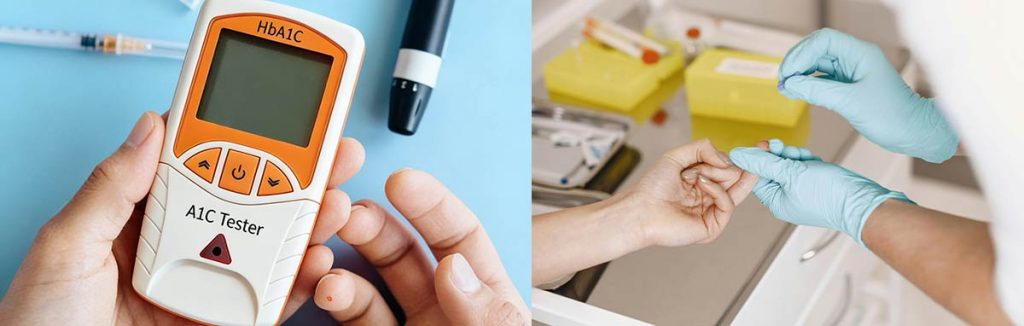
Seniors often value devices that reduce steps and provide clear instructions. The A1C Tester stands out for its speed and ease of use. Many find the CVSHealth kit convenient because it delivers quick a1c test results and tracks blood glucose averages over time. The ReliOn Fast A1C Kit appeals to those who want to test only a few times each year. Walgreens’ kit offers fast results, which helps seniors who want immediate feedback.
Pros:
- Fast results support timely diabetes management.
- Simple instructions reduce confusion.
- Kits often include multiple tests for ongoing monitoring.
Cons:
- Some kits require finger pricks, which may cause discomfort.
- Small displays or unclear instructions can challenge those with vision or cognitive issues.
- Not all kits connect to digital devices, which may limit tracking for tech-savvy users.
User Reviews and Experiences
Many seniors report that at-home A1C test kits make diabetes testing less stressful. One caregiver shared, “My mother finds the A1CNow Self Check easy to use, even with arthritis.” Another senior said, “The CVSHealth kit gives me peace of mind because I can check my a1c without leaving home.” Some users mention that reading small screens can be difficult, especially for those with vision problems. Others appreciate the ability to test for diabetes or prediabetes between doctor visits.
Note: Seniors and caregivers should always follow instructions closely to ensure accurate A1C test results.
Matching an A1C Tester to Your Needs
Physical and Vision Considerations
Seniors often face physical challenges that affect their ability to use an a1c tester. Arthritis can make gripping small parts difficult. Vision loss can make reading results hard. Large buttons and clear displays help many seniors complete an A1C test with less frustration. Devices with voice prompts or tactile guides support those with limited sight. Seniors who have trouble with fine motor skills should look for testers that require only a small blood sample. These features help seniors manage diabetes and monitor A1C levels more easily.
Comfort with Technology
Comfort with technology varies among seniors. Some feel confident using digital devices, while others prefer simple tools. Seniors who use smartphones may like testers that connect to apps for tracking A1C results. Others may want a basic device with no extra features. Caregivers can help seniors choose a tester that matches their comfort level. A simple A1C test kit can reduce stress for those who feel overwhelmed by technology. Seniors who manage diabetes with support from family may benefit from devices that share results easily.
Budget and Support
Cost plays a big role in choosing an A1C tester. Seniors living on a fixed income need affordable options. Insurance may cover some A1C test kits, so checking with a provider can help save money. Some brands offer customer support and warranties. These services help seniors solve problems and replace faulty devices. A table can help compare support options:
| Brand | Customer Support | Warranty Length |
|---|---|---|
| A1CNow | Yes | 1 year |
| CVSHealth | Yes | 1 year |
| ReliOn | Limited | 6 months |
| Walgreens | Yes | 1 year |
Seniors who manage diabetes or prediabetes should consider support and warranty when choosing a tester. Good support ensures reliable A1C results and peace of mind.
How to Use an At-Home A1C Test Safely?
Where to Buy?
Seniors can purchase an at-home A1C test from pharmacies, medical supply stores, or reputable online retailers. Many choose stores like CVS, Walgreens, or Walmart for convenience. Online platforms such as Amazon offer a wide selection and customer reviews. Buyers should check for FDA approval and read product descriptions carefully. Reliable sources help ensure the A1C test kit meets safety standards.
Setup and Operation
Setting up an A1C tester involves several steps. First, users should wash their hands thoroughly. Next, they open the kit and review the instructions. Most kits require a finger prick to collect a small blood sample. Seniors place the sample on the test strip and insert it into the device. The tester displays the A1C result within minutes. Some kits include multiple tests for ongoing monitoring. Clear instructions and simple operation help seniors complete testing with confidence.
Safety Tips
Seniors must follow safety precautions during A1C testing.
- Store testing kits in a cool, dry place, avoiding hot and humid areas like bathrooms or kitchens.
- Keep unused kits in a secure location, such as a bedroom drawer or cabinet.
- Always check the expiration date of the kits and avoid using any that are expired.
Proper storage and attention to expiration dates protect the accuracy of A1C results. Seniors should dispose of used lancets safely and avoid sharing devices.
Tip: Seniors can ask caregivers to help with setup or storage if needed.
When to Seek Help?
Seniors should contact a healthcare provider if the A1C test result seems unusual or if they experience symptoms like dizziness or confusion. Medical advice is important when results fall outside the recommended range. Healthcare professionals can interpret results and adjust diabetes management plans. Seniors benefit from regular communication with their care team to support safe monitoring and testing.
Conclusion
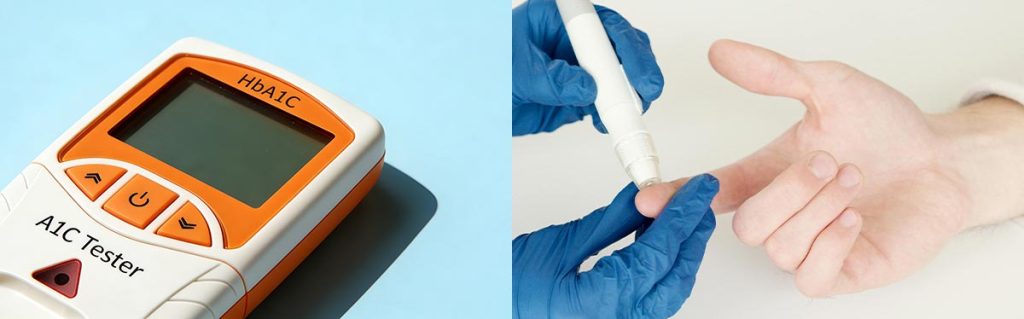
The A1C Tester remains a top choice for seniors because it offers reliable A1C results and simple operation. Seniors should consider their health status, comfort with technology, and diabetes management needs before selecting a device.
Certain health conditions and medications can affect a1c accuracy, so consulting a healthcare provider ensures safe diabetes care.
Regular A1C monitoring helps seniors maintain target ranges and lowers the risk of diabetes complications. At-home testing empowers seniors to manage diabetes confidently and improve their quality of life.
FAQ
What Is the Easiest A1C Tester for Seniors to Use?
Many seniors find the A1C Tester the easiest. It has simple instructions, large parts, and quick results. Caregivers often recommend it for those with vision or hand strength challenges.
How Often Should Seniors Check Their A1C At Home?
Doctors usually suggest testing every three to six months. Seniors with changing health or new medications may need more frequent checks. Regular testing helps track diabetes control.
Can At-Home A1C Testers Replace Lab Tests?
At-home testers give reliable results for most seniors. However, doctors may still order lab tests for confirmation or if results seem unusual. Seniors should share home test results with their healthcare team.
Are At-Home A1C Test Kits Covered By Insurance?
Some insurance plans cover at-home A1C test kits. Seniors should contact their provider to ask about coverage. Pharmacies and online stores may also offer discounts or coupons.
What Should Seniors Do If Their A1C Result Is High?
Seniors should contact their doctor if they see a high A1C result. A healthcare provider can review the result and adjust the diabetes care plan. Quick action helps prevent complications.