
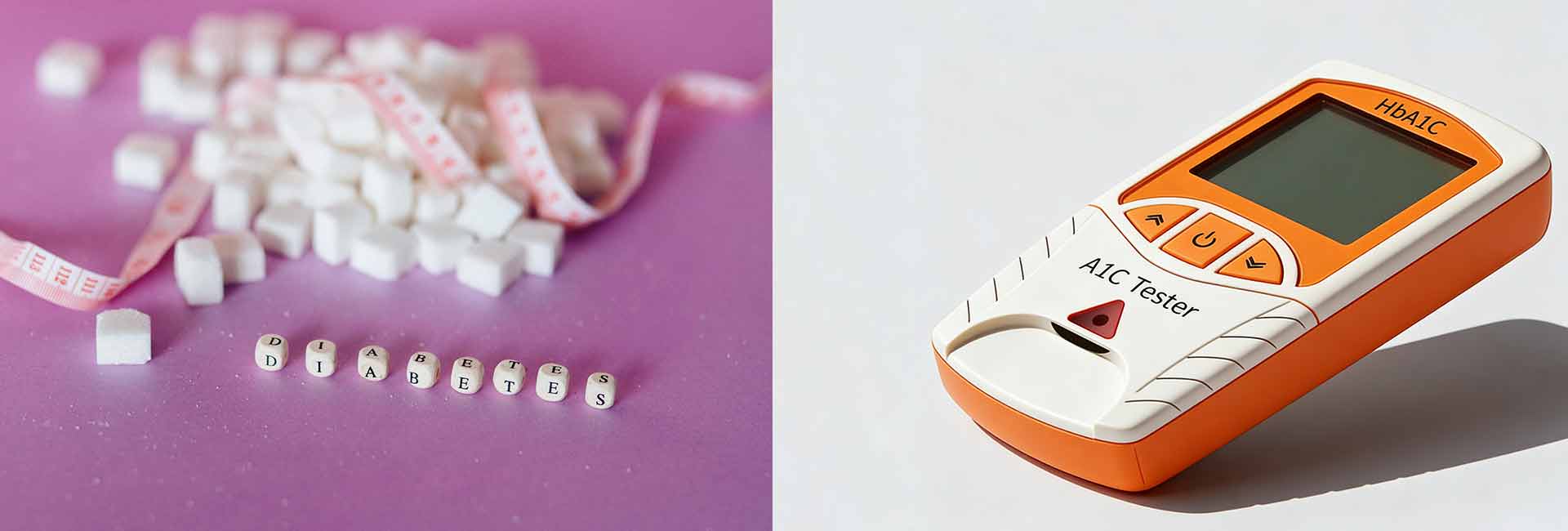
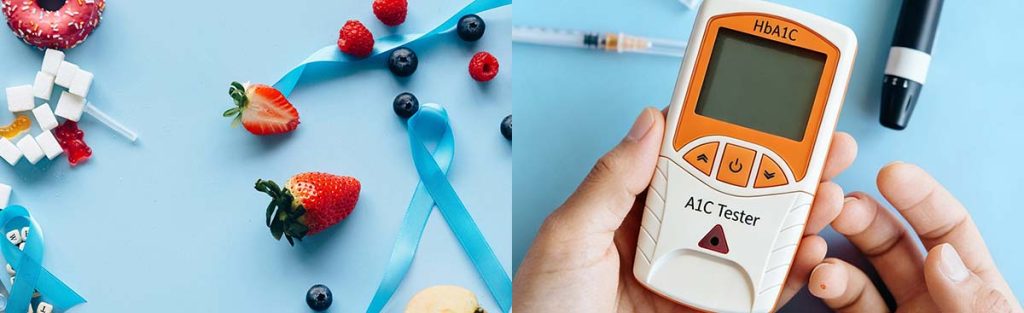


An A1C home tester allows individuals to measure their average blood sugar over the past two to three months from the comfort of their homes. People with diabetes use an A1C tester to track long-term glucose control without frequent lab visits. Many find home testing simple and empowering. Studies show some home kits reach up to 93.2% accuracy within ±13.5% of lab values, though not all kits perform equally.
Key Takeaways
- A1C home tester allows individuals to measure average blood sugar levels from home, making diabetes management more convenient.
- Regular A1C testing is crucial for tracking long-term glucose control and can help reduce the risk of complications.
- Understanding A1C results empowers users to make informed decisions about their health and treatment plans.
- Home testing kits are easy to use, but users must follow instructions carefully to ensure accurate results.
- Discussing A1C results with healthcare providers enhances diabetes management and supports better health outcomes.
What Is an A1C Home Tester?
An A1C home tester is a medical device that allows individuals to measure their average blood sugar levels over the past two to three months without visiting a laboratory. The main purpose of this tool is to help people with diabetes monitor their long-term glucose control from home. Many popular kits, such as those from A1CNow, ReliOn, and Everlywell, are available on the market. These testers provide quick results and are designed for ease of use, making them accessible for most adults.
How It Works?
A1C home tester uses a small blood sample, usually obtained from a finger prick, to analyze hemoglobin A1c levels. The technology behind these devices has evolved since the 1990s, allowing for point-of-care testing at home. Most kits deliver results in about 10 minutes. Users do not need special training to operate these devices. The process is straightforward and carries a low risk of error, as indicated by their CLIA-waived status. This means the government considers them simple enough for home use.
Tip: Always follow the instructions in the kit to ensure accurate results.
A1C tester must meet regulatory standards before reaching consumers. The following table shows the performance requirements set by major regulatory bodies in the United States:
| Regulatory Body | Performance Range |
|---|---|
| CMS | +/- 8% |
| CAP | +/- 6% |
Despite their convenience, A1C home tester has some limitations. Certain health conditions can affect the accuracy of A1C results. The table below outlines common limitations:
| Limitation Type | Description |
|---|---|
| Hemoglobin Variants | Conditions like sickle cell disease can lead to falsely low HbA1c results. |
| Anemia | Chronic conditions can cause falsely low or high HbA1c results, affecting accuracy. |
| Need for Periodic Evaluation | Regular checks of self-monitored blood glucose readings are necessary to ensure accuracy. |
Types of Test Kits
There are several types of A1C home testers available. Most fall into two main categories:
- Instant-result kits: These provide results at home within minutes. Users collect a blood sample, insert it into the device, and read the result on a display.
- Mail-in kits: These require users to collect a blood sample and mail it to a laboratory. Results are sent back, often through a secure online portal or by mail.
Point-of-care A1C testers have become more popular due to their speed and simplicity. The demand for home-based A1C testing has increased, especially since the COVID-19 pandemic. Patients and healthcare providers now prefer reducing in-person visits. Innovations in device automation, accuracy, and connectivity have made these testers more appealing. Companies continue to invest in research and development, leading to smaller, more advanced devices.
Note: Home-based A1C testing kits saw a 22% increase in sales volume from 2022 to 2024.
Common Misconceptions
Many people have misunderstandings about A1C home testers and diabetes management:
- Many believe they can feel high blood glucose levels.
- Some think medications may damage organs.
- Others believe diet alone controls blood glucose.
- Some worry about becoming dependent on diabetes medications.
- Many think glucose is only high when it exceeds 200 mg/dL.
- Some expect their doctor to cure their diabetes.
Understanding the facts about A1C testers helps users make informed decisions and manage their health more effectively.
Why A1C Testing Matters?
Diabetes Management
Regular A1C testing plays a vital role in diabetes management. The A1C test measures average blood sugar levels over the past two to three months. This information helps people with diabetes and their healthcare providers track long-term control. Consistent monitoring allows for timely adjustments to treatment plans. The American Diabetes Association recommends A1C testing at least twice a year for stable patients. For those who are not meeting their goals or have changes in therapy, testing should occur every three months.
A1C home test kits make it easier for individuals to keep up with these recommendations. Home testing supports better engagement and helps people take an active role in their care. Studies show that people who use home A1C testers and share results with their clinicians often see improved blood sugar control. For example, one study found that 46.7% of participants using home testing achieved a reduction of 0.5% or more in their A1C levels within six months.
Tip: Regular A1C testing can lower the risk of complications such as heart disease and nerve damage.
The table below highlights key points about why regular A1C testing matters:
| Key Point | Description |
|---|---|
| Measuring Blood Sugar Levels | The A1C test shows average blood sugar over two to three months. |
| Long-term Control | It reflects blood sugar control over time, which is crucial for diabetes management. |
| Diabetes Management | Results help guide treatment decisions and adjustments. |
| Risk Assessment | Higher A1C levels increase the risk of complications like cardiovascular disease. |
| Regular Monitoring | Testing every three to six months helps track progress and adjust care. |
Understanding Results
Understanding A1C results helps people make informed decisions about their health. An A1C tester provides a percentage that reflects average blood sugar. Most healthcare providers aim for an A1C below 7% for many adults with diabetes, but individual targets may vary. Home testers offer accuracy that is comparable to lab tests, making them a reliable option for ongoing monitoring.
- The American Diabetes Association recommends A1C testing to assess blood glucose control.
- People who use an A1C home tester can discuss results with their healthcare team and adjust their plan as needed.
- Regular testing helps identify trends and prevent complications before they become serious.
A1C home tester kit empowers people to manage diabetes more effectively. By understanding and tracking results, individuals can work with their providers to achieve better outcomes.
Who Should Use an A1C Home Tester?
Ideal Users
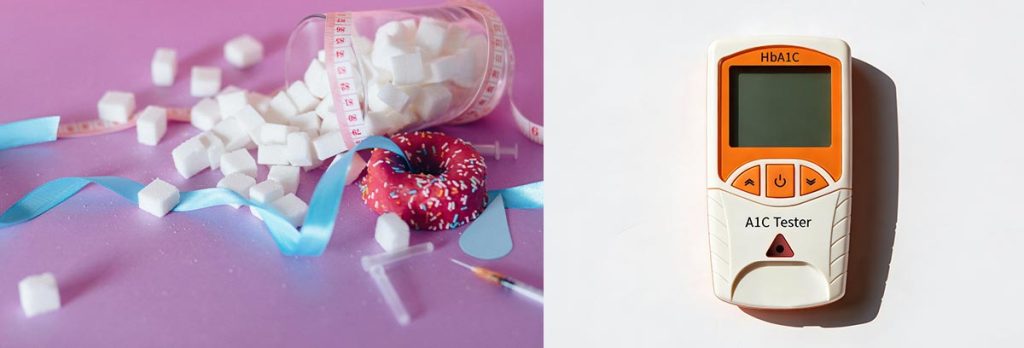
Most A1C home tester kits target adults aged 18 and older. People who manage diabetes benefit most from home testing. Individuals with busy schedules, limited access to clinics, or those who prefer privacy often choose home kits. Some patients need frequent monitoring due to changes in medication or lifestyle. They find home testing convenient and empowering. Caregivers may also use A1C testers to help loved ones track blood sugar levels. People who want to share results quickly with their healthcare provider often select home kits.
Tip: Always check the kit instructions to confirm age suitability and safety guidelines.
A1C testers do not replace professional medical advice. Children and teens usually require lab-based testing under supervision. Pregnant women and people with certain blood disorders should consult a healthcare provider before using home kits.
Home vs. Lab Testing
Home testing offers flexibility and privacy. Users can test at any time without scheduling appointments. Laboratory testing provides professional oversight and reduces user error. The following table compares key features of both methods:
| Feature | A1C Home Testing | Laboratory Testing |
|---|---|---|
| Convenience | Can be done at home, but requires instructions | Requires a visit to a lab |
| Accessibility | May face issues with sample collection and shipping | Generally more straightforward |
| User Error | Higher potential for user error in sample collection | Less prone to user error |
| Cost | May involve additional costs for home kits | Typically covered by insurance |
| Timeliness | Dependent on shipping times | Results available on-site |
People who value convenience often prefer home kits. Those who want accuracy and professional support may choose laboratory testing. A1C testers provide quick results, but users must follow instructions carefully. Both methods help individuals monitor diabetes and make informed decisions.
Note: Discuss test results with a healthcare provider to ensure proper diabetes management.
How to Use an A1C Home Tester?
Preparation Steps
Before starting the test, users should prepare carefully to ensure accurate results. The following steps help set up the process:
- Gather all supplies, including the lancet, blood collection device, test strips, and instruction manual.
- Check the expiration date on the kit and store it according to the manufacturer’s instructions.
- Wash hands thoroughly with soap and water, then dry them completely. Alternatively, use an alcohol prep pad and wait for the alcohol to dry.
- Schedule about 30 minutes on a weekday morning to focus on the test without distractions.
- Lay out all equipment in a clean and dry area.
- Read the instructions provided with the kit to understand the procedure.
Tip: Preparing your finger and workspace reduces the risk of contamination and improves test accuracy.
Testing Process
The testing process involves collecting and handling the blood sample. Users should follow these steps:
- Use the lancet on the side of the fingertip to minimize discomfort. Gently press to produce a small drop of blood.
- Position the blood collector against the blood drop, letting it absorb enough blood as specified by the manufacturer’s instructions.
- Verify the blood collector is completely filled to avoid errors in the test results.
- Attach the filled blood collector to the shaker device, secure it, and shake vigorously for about 5 to 8 seconds to mix the sample with the solution.
- Open the test cartridge, insert it into the A1C tester, and use the base of the shaker to transfer the solution into the analyzer as directed. Remove the base once finished.
- Allow the device to process the results, which typically takes about 5 minutes. Avoid handling the analyzer during this time.
- For mail-in kits, wait three hours for the sample to dry before sealing the package. Send the kit back on the same day to ensure accurate processing.
Note: Proper sample collection and handling are essential for reliable results.
Getting Results
A1C home test kits deliver results in different ways, depending on the type:
| Test Kit Type | Result Delivery Time |
|---|---|
| Mail-in A1C Test Kits | Days to weeks, up to 24 hours |
| Instant-Result Kits | 5 minutes |
Instant-result kits display the A1C value directly on the device. Mail-in kits require users to send the sample to a laboratory, which then provides results online or by mail. Users should record their A1C result along with the date to track trends over time.
Tip: Choose NGSP-certified kits and look for FDA clearance or CE mark to ensure safety and effectiveness. Home kits generally provide results with a precision of plus or minus 0.5 percentage points.
Common troubleshooting steps include checking the instructions for errors, ensuring the blood collector is filled, and verifying the kit’s expiration date. If results seem unclear or the device malfunctions, users should contact customer support or consult a healthcare provider.
Support and Troubleshooting
Common Issues
Users sometimes encounter unclear results or malfunctioning devices when using an A1C tester. The most frequent problems include incomplete blood samples, expired kits, or error messages on the device. If the result appears unusually high or low, users should check the instructions and confirm that the blood collector is filled correctly. They should also verify the expiration date and ensure proper storage of the kit. Some testers may display error codes if the sample is insufficient or if the device detects a malfunction.
Tip: Always record the result and the date. This helps track patterns and provides useful information for healthcare providers.
If the A1C tester continues to show unclear results, users should avoid repeating the test immediately. Instead, they should review the troubleshooting section in the instruction manual. Many kits include a list of error codes and solutions. If the device malfunctions or the results remain unclear, users should seek assistance from customer support or a healthcare provider.
Where to Get Help?
Manufacturers offer customer support for A1C testers. The table below lists contact information for major brands:
| Manufacturer | Customer Support Link | Phone Number | Hours of Operation |
|---|---|---|---|
| Diabetes Testing Products | Help & Support Center | N/A | N/A |
| CardioChek® & A1CNow® | Contact PTS Diagnostics | +1-317-870-5610 DIRECT, +1-877-870-5610 TOLL FREE | Monday – Friday, 8:00 a.m. – 8:00 p.m. (EST) |
Healthcare providers also help interpret A1C tester results and address concerns. They offer guidance in several ways:
- Discuss A1C results with a healthcare provider to understand their implications.
- An elevated A1C does not always indicate diabetes; other factors may influence the result.
- If the A1C is higher than expected, further testing may be necessary.
- For individuals with diabetes, the A1C reflects a temporary average. Providers can suggest steps to improve it.
- If users feel overwhelmed, they should communicate with their provider to create a management plan.
Note: Reliable support ensures users feel confident using an A1C tester. Both customer service and healthcare professionals help resolve issues and provide clarity.
Conclusion

A1C tester offers convenience, cost-effectiveness, and privacy for diabetes management.
| Benefit | Description |
|---|---|
| Convenience | Users test on their schedule without clinic appointments. |
| Cost-effectiveness | Home testing often saves money and time. |
| Privacy | Testing at home reduces anxiety and improves adherence. |
A1C tester empowers individuals by providing timely feedback and supporting better health outcomes. They should discuss results with a healthcare provider. Next steps include:
- Understand A1C results and their impact.
- Test regularly and follow medical advice.
- Use available support networks for questions or concerns.
Resources like Teladoc Health and Roche Diabetes Care offer guidance and support.
FAQ
How Often Should Someone Use an A1C Tester?
Most people with diabetes use an A1C tester every three to six months. Regular testing helps track blood sugar control and supports treatment decisions.
Can An A1C Tester Replace Lab Tests?
An A1C tester offers convenience and privacy. However, laboratory tests provide professional oversight. Healthcare providers recommend using both methods for best results.
What Should Someone Do If the A1C Tester Shows an Error?
Users should check the instruction manual for troubleshooting steps. They may contact customer support or speak with a healthcare provider if the error persists.
Are A1C Testers Safe for Everyone?
A1C testers suit most adults. People with certain blood disorders, pregnant women, or children should consult a healthcare provider before using an A1C tester.
How Accurate Are A1C Testers Compared to Lab Tests?
A1C testers provide results with high accuracy. Most kits meet regulatory standards. Some health conditions may affect results, so users should discuss findings with their provider.