
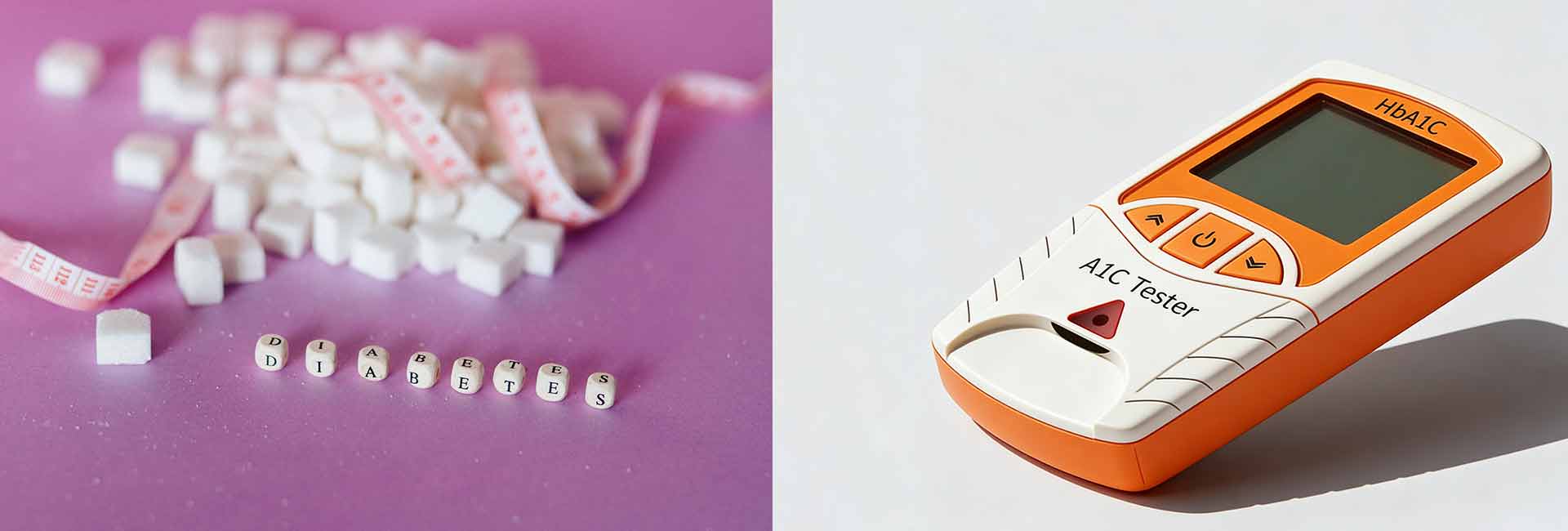


A1cNow Self Check and A1C Tester stand out as two of the most popular at-home A1C testing kits available today. A1C Tester represents our own brand, offering a user-friendly experience for those who want to monitor their A1C from home. People often compare these kits based on key factors such as accuracy, ease of use, cost, and availability. Recent data shows that A1cNow Self Check provides 93.2% accuracy within ±13.5% of laboratory values, while A1CNow+ achieves 97.8% accuracy or acceptable results. These distinctions help users decide which A1C tester best fits their needs for reliable home monitoring.
Key Takeaways
- A1C Tester offers flexible kit sizes, allowing users to choose the number of tests that fit their needs, while A1cNow Self Check typically provides kits with 2 or 4 tests.
- Both kits deliver results in about five minutes, making it easy for users to monitor their A1C levels quickly at home.
- Proper storage is crucial; both kits require a dry, temperature-controlled environment to maintain accuracy and reliability.
- User feedback varies; A1C Tester is praised for its user-friendly design, while A1cNow Self Check has mixed reviews regarding accuracy and expiration dates.
- Consider personal testing habits and lifestyle when choosing a kit, as both options support effective diabetes management at home.
Comparison Table
Key Features
The following table presents a side-by-side summary of the most important features for both A1C Tester and A1cNow Self Check. This comparison helps users quickly identify which A1C tester best matches their needs for home monitoring.
| Feature | A1C Tester (Our Brand) | A1cNow Self Check |
|---|---|---|
| Test Method | Capillary blood sample | Capillary blood sample |
| Sample Size | Small (fingerstick) | Small (fingerstick) |
| Time to Result | ~5 minutes | ~5 minutes |
| Number of Tests per Kit | Multiple options available | 2 or 4 tests per kit |
| Portability | Compact, travel-friendly | Compact, travel-friendly |
| Storage Requirements | Shelf life >24 months (15–30°C); dry, temperature-controlled | Shelf life >24 months (15–30°C); dry, temperature-controlled |
| Maintenance | Minimal; annual calibration recommended | Minimal; annual calibration recommended |
Note: Both kits require storing test strips in a dry, temperature-controlled environment to maintain accuracy and reliability. Minimal maintenance is needed, but annual calibration checks are recommended for optimal performance.
Main Differences
A1C Tester and A1cNow Self Check share many similarities, but several distinctions set them apart. These differences can influence a user’s decision when selecting an A1C tester for home use.
- Kit Options:
A1C Tester offers a variety of kit sizes, allowing users to choose the number of tests that best fits their monitoring schedule. A1cNow Self Check typically provides kits with either 2 or 4 tests. - Shelf Life and Storage:
Both products feature a shelf life exceeding 24 months when stored between 15–30°C. Users must keep test strips in a dry, temperature-controlled environment to ensure accurate results. - Consumer Satisfaction:
Recent consumer reviews for A1cNow Self Check show mixed feedback:- 50% rated it positively, mentioning ease of use and kit quality.
- 25% gave negative feedback, citing concerns about accuracy.
- 25% had mixed feelings, with some noting short expiration dates. Comments include:
- “Worked well”
- “Great kit very easy to use”
- “The price and tests are great BUT you should have let us know that they expire in 30 days.”
- “Not very accurate.”
- Unique Selling Points:
A1C Tester stands out with flexible kit options and a focus on user-friendly design. Both kits are portable and require minimal maintenance, making them suitable for frequent travelers or those with busy lifestyles. - Result Consistency:
Both A1C tester deliver results in about five minutes, supporting timely decision-making for users who monitor their A1C at home.
Choosing between these two options depends on individual preferences, such as the desired number of tests per kit, storage needs, and feedback from other users. Both A1C tester kits provide reliable, quick results and are designed for convenience in home settings.
A1C Tester Accuracy
Measurement Methods
A1C Tester and A1cNow Self Check both use capillary blood samples from a fingerstick. These devices measure the percentage of glycated hemoglobin in the blood. This value reflects average blood sugar levels over the past two to three months. The technology inside each kit relies on a chemical reaction that detects the amount of glucose attached to hemoglobin.
Laboratory studies have compared the accuracy of different at-home A1C test kits. The following table shows how often each test kit matches reference laboratory results:
| Test | % Within 5% of Reference | % Within 0.3% of Reference |
|---|---|---|
| Home Access | 82 | 75 |
| CoreMedica | 29 | 28 |
| A1cNow+ | 46 | 44 |
The chart below visually compares the accuracy of these kits:
A1C Tester uses a similar method to these leading kits. The device provides results in about five minutes, which helps users make timely decisions about their health.
Reliability and Consistency
Reliability and consistency matter when choosing an A1C tester for home use. Studies show that fingerstick samples can achieve 99% accuracy, with individual results varying between -1.0% and +0.8% compared to laboratory values. Venous samples show even higher accuracy, reaching 99.7% with a smaller range of variation.
| Sample Type | Accuracy (%) | Individual Result Variation (± A1C) |
|---|---|---|
| Fingerstick | 99 | -1.0% to +0.8% |
| Venous | 99.7 | -0.8% to +0.7% |
Several factors can affect the reliability and consistency of A1C results. The table below outlines these factors and their impact:
| Factor | Impact on Reliability and Consistency |
|---|---|
| User Training | Higher failure rates observed without proper training. |
| Age of Participants | Older participants faced challenges due to cognitive decline. |
| Method of Guidance | Phone guidance led to higher failure rates compared to visual. |
| Testing Conditions | Specific guidelines needed for optimal performance. |
Proper user training improves the success rate of home testing. Visual instructions help users achieve better results than phone guidance. Older adults may need extra support to follow the steps correctly. Testing in the recommended conditions ensures the most reliable outcome.
Note: Following the instructions in the kit and storing the device as directed will help maintain accuracy and consistency.
Ease of Use
Setup Steps
Both A1C Tester and A1cNow Self Check offer straightforward setup processes. Users begin by unpacking the kit and reading the instructions. Each kit includes all necessary components, such as a lancet, test cartridge, and collection device. The instructions use clear language and visual guides. Most users can complete the setup in a few minutes. No advanced technical skills are required. The kits do not need any special calibration before use.
Tip: Placing all components on a clean, flat surface helps prevent mistakes during setup.
Sample Collection
Sample collection plays a key role in the user experience. Both kits require a small fingerstick blood sample. Users report that the process feels simple and quick. Recent surveys highlight the following points:
- The A1cNow+ system is easy to use and requires minimal training.
- Users appreciate the fast results, which appear in about five minutes.
- The small 5uL blood sample size increases comfort and satisfaction.
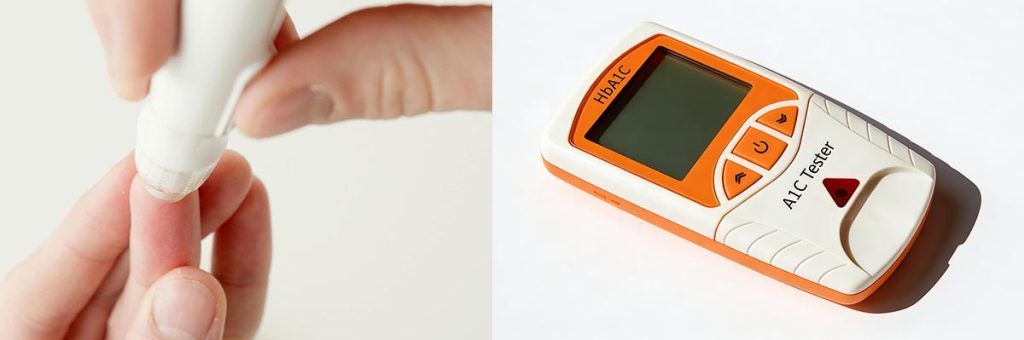
A1C Tester follows a similar process. Users clean their finger, use the lancet to obtain a drop of blood, and apply it to the test device. The design aims to reduce discomfort and confusion.
Result Interpretation
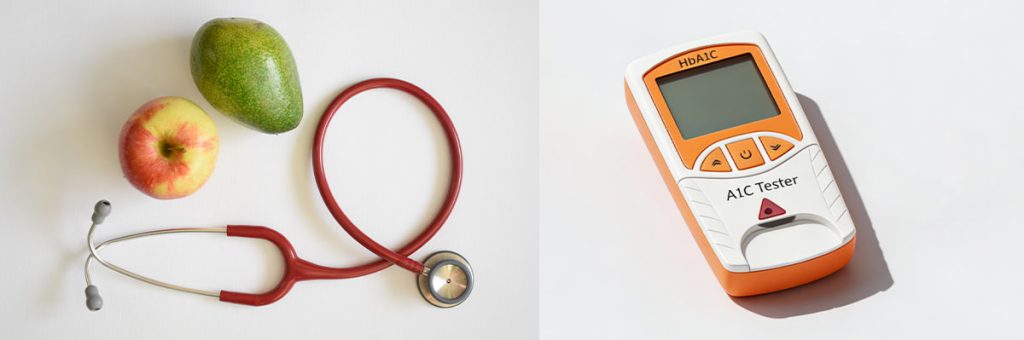
Both kits display results clearly on the device. Users read the A1C value directly from the screen or indicator. The instructions include examples to help users understand their results. No calculations are necessary. The process supports users who want to monitor their health at home without extra steps.
Note: Keeping the instruction manual nearby can help users interpret results accurately.
The ease of use makes each A1C tester suitable for home monitoring, even for those new to self-testing.
Cost and Availability
Price Overview
Consumers often compare at-home A1C test kits based on price. The A1cNow Self Check typically sells for $66.01 at major retailers. Prices for other brands, such as ReliOn and Well at Walgreens, may vary depending on the number of tests included and the retailer. The following table summarizes the current price for A1cNow Self Check:
| Product | Price |
|---|---|
| A1cNow Self Check | $66.01 |
Note: Prices can change based on location, promotions, and retailer policies.
Kit Options
Different brands offer a range of kit options to meet various testing needs. A1cNow Self Check provides a kit with four tests, which suits users who want to check their A1C multiple times a year. ReliOn offers kits with two to four tests per year, while Well at Walgreens supplies a single-test kit for occasional monitoring. Each kit includes accessories such as lancets and test cartridges. The chart below compares the number of included tests in popular kits:
| Kit Name | Included Tests | Accessories/Features |
|---|---|---|
| A1cNow Self Check | 4 tests | Results in 5 minutes, small fingerstick sample, no maintenance, compact, battery powered |
| ReliOn™ A1C Self Test System | 2-4 tests | Recommended for periodic testing by a doctor |
| Well at Walgreens A1C Test Kit | 1 test | Provides results in minutes for home monitoring |
Where to Buy?
Shoppers can find these A1C test kits both online and in physical stores. A1cNow Self Check is available for purchase at TeamCME, with prices ranging from $195.00 to $625.00 for larger quantities. ReliOn A1C Self Test System can be found online at the ReliOn website and at Walmart stores. Well at Walgreens A1C Test Kit is available at Walgreens locations.
- A1cNow: Available online at TeamCME.
- ReliOn A1C Self Test System: Available online at ReliOn and at Walmart.
- Well at Walgreens A1C Test Kit: Available at Walgreens.
Consumers should compare prices and kit options before choosing an A1C tester that fits their needs.
Home Use Suitability?
Testing Frequency
Testing frequency plays a key role in effective diabetes management at home. The American Diabetes Association recommends that individuals check their A1C levels two to four times per year, depending on how well they control their blood sugar. A1cNow Self Check suggests testing four times per year, especially when treatment plans change or glycemic goals are not met. The table below summarizes these recommendations:
| Source | Recommendation |
|---|---|
| American Diabetes Association | Test A1C levels 2 to 4 times per year based on glycemic control |
| A1cNow Self Check | Recommended for patients to check A1C four times per year if treatment changes |
Regular testing helps users track progress and adjust their care plans as needed.
User Profiles
Different users benefit from at-home A1C testing. People who want to monitor their diabetes between doctor visits find these kits helpful. Busy professionals, frequent travelers, and older adults appreciate the convenience of testing at home. Parents may use these kits to help children with diabetes stay on track. Individuals who need to adjust their medication or lifestyle can use an A1C tester to see how changes affect their long-term glucose control.
- People with newly diagnosed diabetes
- Individuals making changes to their treatment plan
- Users who want to avoid frequent clinic visits
- Caregivers supporting family members
Home testing supports a proactive approach to diabetes management.
Support Resources
Both A1C Tester and A1cNow Self Check provide resources to help users succeed. These include online training, customer service, and detailed instructions. The table below lists available support options:
| Resource Type | Description/Link |
|---|---|
| Product Training | A1CNow+ Training |
| Customer Service | Contact Customer Service |
| Where to Buy | Find Retailers |
| CLIA Resources | CLIA Information |
| Insurance Reimbursement | Reimbursement Info |
| Contact Hours | Monday – Friday, 8:00 a.m. – 8:00 p.m. (EST) |
| Phone Number | +1-317-870-5610 (Direct), +1-877-870-5610 (Toll Free) |
| info@ptsdiagnostics.com |
Users can access support by phone, email, or online resources for guidance and troubleshooting.
Pros and Cons
A1C Tester Advantages
A1C Tester provides several benefits for users who want to monitor their A1C levels at home. The kit offers flexible options for the number of tests, which supports different monitoring schedules. The device delivers results quickly, usually within five minutes. Its compact design allows users to carry it easily when traveling. The instructions are clear and simple, making the setup process straightforward. The kit requires minimal maintenance, which reduces the burden for users. Many individuals appreciate the user-friendly experience and reliable performance of this A1C tester.
A1cNow Self Check Pros
Healthcare professionals recognize several strengths in the A1cNow Self Check kit. The following table summarizes these features:
| Feature | Description |
|---|---|
| Fast Results | Provides results in just 5 minutes |
| Small Sample Size | Requires only a small 5µL blood sample |
| Portability | Can be used in multiple exam rooms |
| User-Friendly | Minimal training is required for operation |
| Maintenance-Free | No maintenance is needed for the device |
Many users find the kit easy to operate and appreciate the quick turnaround time for results.
A1cNow Self Check Cons
Users and product testers have identified some drawbacks with A1cNow Self Check:
- The kit costs more than some alternatives.
- Users must follow instructions carefully to avoid errors.
- Accuracy may decrease in hot climates.
- The meter displays results for a short time, so users can lose results if not recorded immediately.
- Errors may occur in hot environments, which may require air conditioning.
Individuals should consider these factors when choosing an at-home A1C testing solution.
Choosing an A1C Tester
Decision Factors
Selecting the right A1C tester for home use requires careful consideration of several important features. Individuals should evaluate accuracy, time to result, ease of use, and kit contents. The following table highlights key features of A1cNow Self Check, which many users find helpful when comparing options:
| Feature | A1cNow Self Check |
|---|---|
| Accuracy | Lab-comparable results |
| Time to Result | 5 minutes |
| Usage | Ideal for home use |
| Test Strips | 4 included, single-use analyzer |
| Expiration | Yes, check stock for current date |
| No Refrigeration Needed | Yes |
| Key Benefit | Saves time and money on lab visits |
Individuals should check expiration dates before purchase. They should also consider the number of included test strips and whether refrigeration is necessary. Portability and maintenance requirements may influence the decision for those who travel frequently or prefer minimal upkeep.
Tip: Comparing kit features side by side helps users identify the best fit for their lifestyle and testing needs.
Conclusion
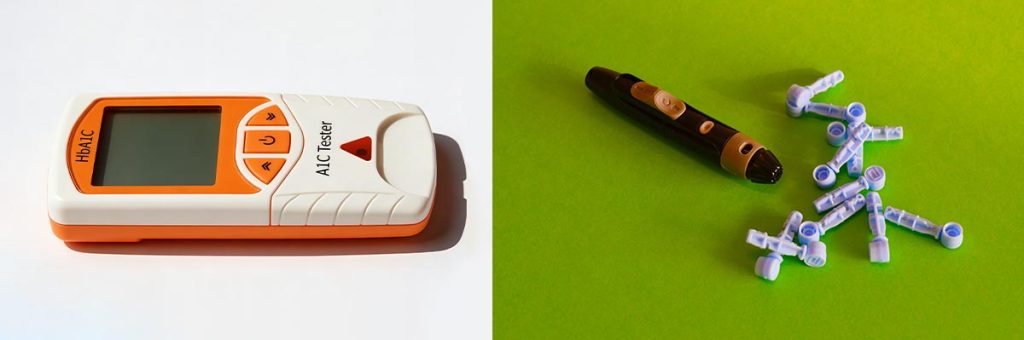
A1C Tester and A1cNow Self Check differ in kit options, price, and user feedback. A1C Tester offers flexible test counts and a user-friendly design. A1cNow Self Check provides quick results and portability.
- Individuals should compare accuracy, convenience, and budget.
- Testing habits and lifestyle influence the best choice.
Consider personal needs before purchasing an A1C tester. Reliable home monitoring supports better diabetes management.
FAQ
How Accurate Are At-Home A1C Test Kits?
Most at-home A1C test kits provide results within ±0.8% of laboratory values. Proper sample collection and following instructions increase reliability. Users should check kit expiration dates for best accuracy.
Can Users Reuse the Analyzer or Test Strips?
A1C Tester and A1cNow Self Check both use single-use test strips. The analyzer in A1C Tester can be reused for multiple tests, while A1cNow Self Check includes a disposable analyzer.
What Is the Shelf Life of these Kits?
| Kit Name | Shelf Life |
|---|---|
| A1C Tester | Over 24 months |
| A1cNow Self Check | Over 24 months |
Store kits in a dry, temperature-controlled place for optimal performance.
Who Should Use At-Home A1C Test Kits?
- Individuals managing diabetes
- Caregivers monitoring family members
- People adjusting treatment plans
These kits help users track A1C between clinic visits.
Where Can Users Find Support or Instructions?
Users can access online training, customer service, and detailed instructions. Support is available by phone, email, or through product websites.