
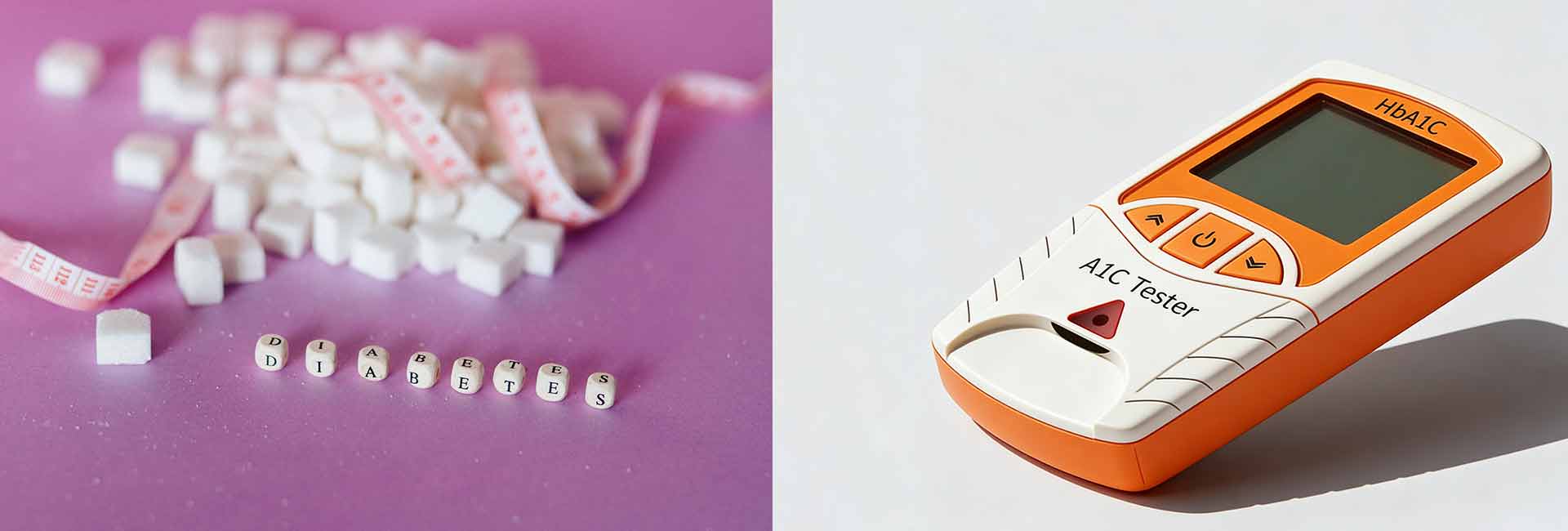



Choosing the right HbA1c POCT machine is essential for clinics aiming to enhance diabetes management and boost patient satisfaction. Using a HbA1c POCT machine for hemoglobin A1C testing delivers fast results, allowing staff to adjust treatment plans promptly when necessary. Devices that are user-friendly make it easier for clinics with varying levels of experience to operate efficiently. Selecting the appropriate HbA1c POCT machine—whether handheld or benchtop—ensures a smoother workflow tailored to the clinic’s needs. The table below demonstrates how hemoglobin a1c testing with a HbA1c POCT machine at the point of care benefits both patients and clinics:
| Evidence Type | Findings | Impact on Patient Care Outcomes |
|---|---|---|
| Study 1 | Implementation of HbA1c POCT machine in primary care practices | Improved testing frequency and timely management of diabetes |
| Study 2 | Patient satisfaction with on-site HbA1c POCT machine | Increased compliance and reduction in HbA1c levels |
| Study 4 | HbA1c POCT machine testing adherence | 3.7 times less likely to miss testing during visits with POCT |
Key Takeaways
- Choose an HbA1c POCT machine that fits your clinic’s workflow. Consider whether a handheld or benchtop model suits your needs best.
- Evaluate both upfront and ongoing costs before purchasing. Look for affordable options that do not compromise on quality.
- Ensure the device meets accuracy standards and has necessary certifications. This guarantees reliable results for effective diabetes management.
- Select a user-friendly A1C tester to minimize training time and reduce errors. A clear interface helps all staff operate the device confidently.
- Consider the integration capabilities of the device with electronic health records. This feature streamlines workflow and enhances patient care.
Cost and Budget
Upfront vs. Ongoing Costs
Small clinics often face budget constraints when investing in new equipment. The initial price of an HbA1c POCT machine can vary widely based on the device type. The table below outlines typical upfront costs:
| Device Type | Price Range |
|---|---|
| Basic Portable Meters | $20 – $300 |
| Mid-range POCT Analyzers | $500 – $2,500 |
| Gold-standard Laboratory HPLC Systems | $3,000 – over $9,000 |
Ongoing expenses also play a significant role in the total cost of ownership. These recurring costs include:
- Test kits
- Gloves
- Lancets
- Cotton
- Alcohol swabs
- Other sundries
Labor costs depend on the time required for each test. For example, an HbA1c test usually takes about six minutes. Utility costs, such as electricity, also add to the ongoing expenses.
Affordable HbA1c Poct Machine Options
Many clinics seek affordable solutions without sacrificing quality. The SY-B035A Fully Automated HbA1c Analyzer HPLC System by Sunny Medical Equipment Limited offers a budget-friendly option, starting at $699. This model provides reliable performance for small clinics and supports efficient diabetes management. Choosing an affordable A1C tester helps clinics allocate resources to other areas of patient care.
ROI for Small Clinics
Balancing quality and affordability requires careful evaluation. Clinics should consider not only the purchase price but also the long-term value of the hba1c poct machine. The table below highlights key considerations:
| Key Considerations | Details |
|---|---|
| Specifications & Compliance | Meets ISO 15189, IEC 61010, CE Marking, FDA 510(k), or NMPA registration |
| Performance Validation | Target CV < 5%; ≥95% correlation with lab tests; test speed under 2 min |
| Cost-Efficiency Analysis | Evaluate total cost; bulk orders may reduce costs by 10-15% |
| Integration Capabilities | Supports USB, Wi-Fi, or Bluetooth for EMR integration |
| After-Sales Support | 24/7 support, on-site calibration, extended warranties |
Selecting the right HbA1c POCT machine ensures clinics achieve a strong return on investment while maintaining high standards of care.
Accuracy and Reliability
Hemoglobin A1c Test Precision
Small clinics depend on the accuracy and precision of hemoglobin a1c testing to guide diabetes management. Accurate results from an A1C tester help providers make informed decisions about treatment adjustments. Precision ensures that repeated tests produce consistent results, which is essential for monitoring patient progress over time. The following table shows the coefficient of variation (CV) for leading HbA1c POCT machine across different hemoglobin a1c ranges:
| HbA1c Range | Coefficient of Variation (CV) |
|---|---|
| 5.0% to 6.9% | 1.39% |
| 7.0% to 8.9% | 1.42% |
| >9.0% | 1.54% |
A low CV indicates high precision, which means the A1C tester can deliver reliable results for patients at various stages of diabetes. Clinics should look for devices that maintain a CV below 2% to ensure both accuracy and precision in hemoglobin a1c measurement.
Hemoglobin variants potentially affect the precision of current methods of HbA1c measurement. In regions where the population of Hb variants is highly prevalent, clinical laboratories in the regions should be aware of the limitations of their glycate hemoglobin determination to allow accurate results of HbA1c in these individuals.
Device Certification and Quality Control
Certification and quality control play a major role in ensuring the accuracy and reliability of hemoglobin a1c testing. Clinics should only consider A1C testers that meet recognized standards. The table below outlines key certifications:
| Certification Type | Description |
|---|---|
| IFCC | A true standardization scheme with full traceability to the Primary Reference Measurement Procedure (PRMP). Required for diagnosis in both laboratory and POCT devices. |
| NGSP | A certification that provides values assigned from one certified secondary reference laboratory, with less traceability compared to IFCC. |
| CE marking | Required for the European market to ensure compliance with health, safety, and environmental protection standards. |
| FDA clearance | Necessary for the American market, ensuring the device meets specific regulatory standards. |
Clinics should verify that their chosen A1C tester holds IFCC or NGSP certification. These certifications confirm that the device can deliver the accuracy and precision required for clinical decision-making. Regular quality control procedures also support ongoing reliability. Recommended practices include:
- Implementing data management systems to automate processes and ensure regulatory compliance.
- Conducting regular quality assurance testing to monitor precision and accuracy.
- Providing comprehensive operator training to ensure competency in using the devices.
- Defining and monitoring key performance indicators to identify areas for improvement and document program success.
These steps help clinics maintain high standards for hemoglobin A1C testing and reduce the risk of errors.
Comparing A1c Results
Comparing hemoglobin A1C results between POCT devices and laboratory methods helps clinics assess the accuracy and precision of their chosen A1C tester. Studies show that point-of-care capillary hemoglobin a1c testing matches laboratory standards closely. A systematic review found a correlation coefficient of 0.99 between POCT and laboratory results, with a mean difference of less than 0.01% hemoglobin A1C. This high level of agreement demonstrates that POCT devices can reliably support diabetes management in small clinics.
- POC test results from fingerstick and venous whole blood samples showed a high correlation with laboratory results (r = .99).
- Mean bias was minimal: -0.021% hemoglobin A1C for fingerstick and -0.005% hemoglobin a1c for venous samples.
- Imprecision ranged from 0.62% to 1.93% CV for fingerstick and 1.11% to 1.69% CV for venous samples.
The table below compares two popular POCT devices with laboratory standards:
| Device | Method of Testing | Correlation with Lab Standards | Conclusion |
|---|---|---|---|
| Quo-Test | POCT | Comparable to HPLC | Recommended for diagnostic purposes by professional organizations. |
| Afinion HbA1c | POCT | High accuracy and precision | Results closely correlate with laboratory standards. |
Clinics should compare their A1C results with laboratory data to confirm accuracy and precision. Consistent performance across different patient samples ensures that hemoglobin a1c testing supports safe and effective diabetes care.
Ease of Use and Training
User-Friendly A1C Tester Interface
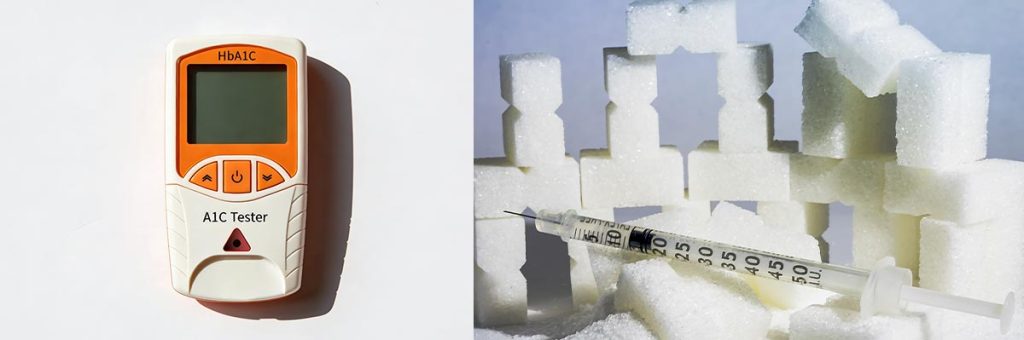
Small clinics often employ staff with different levels of technical experience. A user-friendlyA1C tester interface helps everyone perform hemoglobin A1C testing with confidence. Devices with clear displays, simple menus, and intuitive controls reduce the risk of mistakes. The following table highlights features that make an A1C tester easy to use:
| Feature | Description |
|---|---|
| Enhanced Software | Provides easier automatic monitoring, reducing the workload for clinic staff. |
| Less Frequent Quality Controls | Allows for reduced testing frequency if past performance is satisfactory, simplifying processes. |
| Logic Test Panels | Helps to standardize testing procedures, improving safety and performance for users. |
These features help clinics save time and ensure accurate results, even when staff members have limited laboratory experience.
Staff Training and Support
Training remains a key factor in successful A1C tester use. Many small clinics face challenges because staff members may not have laboratory backgrounds. As one expert notes:
POCT reagents are costly and are performed by nonelaboratory trained operators who are focused neither on the internal quality control protocols nor on the guidelines of the regulatory and accreditation bodies. Thus, training and experience of the staff remains a major issue.
Manufacturers that offer clear training materials, online tutorials, and responsive customer support can help clinics overcome these challenges. Clinics should review the training resources provided before purchasing an A1C tester. Ongoing support ensures that staff can troubleshoot problems quickly and maintain high testing standards.
Workflow Integration
Integrating an A1C tester into the clinic’s workflow can improve efficiency and patient care. The table below compares point-of-care devices with traditional laboratory methods:
| Factor | POCT Devices | Traditional Laboratory |
|---|---|---|
| Turnaround Time | 6-10 minutes | 2-6 hours (or longer) |
| Sample Transportation | Immediate analysis | Requires transport (time, cost) |
| Same-Day Decision-Making | Enabled | Requires follow-up visits |
A1C testers that fit smoothly into daily routines allow staff to deliver results quickly. This leads to faster treatment decisions and better patient outcomes. Clinics should consider how easily a device will integrate with their current processes before making a final choice.
Features and Device Types
Handheld vs. Benchtop A1C Devices
Small clinics often choose between handheld and benchtop A1C poc devices. Each type offers unique advantages for different workflows. The table below compares their main features:
| Feature | Handheld Devices | Benchtop Devices |
|---|---|---|
| Portability | Easily transported | Not convenient for transport |
| Sample Stability | 3 minutes for Afinion | 5 minutes for DCA Vantage |
| Ideal Usage | Suitable for small clinics | Better for larger clinics |
Handheld A1C poc devices enhance portability and user-friendliness. Staff can move these devices between rooms, which supports decentralized a1c testing. Benchtop a1c poc devices require more space but handle higher test volumes. Clinics with busy schedules often prefer benchtop models for their efficiency.
Portable A1C poc devices reduce time delays and improve clinical decision-making. These devices are ideal for clinics, rural health centers, and small laboratories.
Data Management and EHR Integration
Modern A1C poc devices offer advanced data management features. Many models connect directly to electronic health records (EHR) systems. This integration streamlines workflow and reduces manual entry errors. Clinics value connectivity options such as USB, Wi-Fi, or Bluetooth. These features allow staff to share results quickly and securely.
- Quick result times (5–10 minutes) support immediate patient management.
- Connectivity options help clinics track patient progress over time.
- Analytical accuracy ensures reliable A1C testing for every patient.
A1C poc instruments with strong data management capabilities improve compliance and support better outcomes.
Test Volume Considerations
Test volume plays a key role in selecting A1C poc devices. Some models allow clinics to connect and operate up to three test modules with a single display. This scalability helps clinics adapt as patient numbers grow. The table below highlights important features:
| Feature | Description |
|---|---|
| Scalability | Connect and operate up to three test modules with a single display. |
| Adaptability to volume | Accommodates increasing testing volume, essential for small clinics. |
A1C poc devices that handle both low and high test volumes give clinics flexibility. They support A1C testing for immediate patient care and community-based screening programs. Clinics should match device capacity to their current and future needs to ensure efficient service.
Maintenance and Compliance
Maintenance Needs
Routine maintenance keeps an analyzer running smoothly and supports reliable point-of-care testing. Staff should follow the manufacturer’s instructions for all maintenance and quality control checks. The table below outlines common tasks and their recommended frequency:
| Maintenance Task | Frequency |
|---|---|
| Perform all necessary maintenance and quality control checks according to manufacturer’s instructions. | As needed |
| Check the results of the control solution against the range shown on the control solution card. | As needed |
| Ensure cartridges are stored in the fridge and are not expired. | Ongoing |
| Store reconstituted control solution in the fridge (2-8 °C) and use within 3 months of opening. | Ongoing |
| Contact support if the machine is malfunctioning. | As needed |
| Shut down the DCA analyzer by following the prompts before turning it off. | Daily |
| Turn the machine off before performing weekly and monthly maintenance. | Weekly/Monthly |
| Store the optical test cartridge in a safe, dry place and run tests quarterly. | Quarterly |
Clinics can minimize downtime by choosing an analyzer with features that reduce maintenance. For example, models with no fluid path use single-use cartridges, which lowers the maintenance burden. Room-temperature reagent storage simplifies logistics. Dry-type quality control cards align with routine laboratory practices and support efficient diabetes management.
Technical Support and Warranty
Reliable technical support ensures that clinics can resolve issues quickly. Manufacturers often provide 24/7 support, online troubleshooting, and extended warranties. Staff should contact support if the analyzer malfunctions. A strong warranty protects the investment and helps maintain consistent point-of-care testing. Clinics should review warranty terms before purchasing an A1C tester to ensure coverage for repairs and replacements.
| Feature | Benefit |
|---|---|
| No fluid path in the instrument | Minimizes maintenance burden by using single-use cartridges or test kits. |
| Room-temperature reagent storage | Simplifies logistics by eliminating the need for cold chain storage. |
| No daily cleaning routines | Reduces downtime and user error by eliminating regular cleaning requirements. |
| Dry-type QC card | Optimizes quality control processes for POCT workflows, aligning with routine laboratory practices. |
Regulatory Compliance
Regulatory compliance ensures that an analyzer meets safety and quality standards for point-of-care testing. Clinics must follow these requirements:
- HbA1c POCT machines must comply with the Clinical Laboratory Improvement Amendments (CLIA) regulations.
- Tests can be classified as moderate complexity or ‘CLIA waived’, which do not require proficiency testing.
- Facilities performing point-of-care testing must obtain a CLIA certificate corresponding to the complexity of tests, except in New York and Washington where state regulations apply.
Meeting these standards supports high-quality diabetes management and protects patient safety. Clinics should verify that each A1C tester meets all regulatory requirements before use.
Conclusion
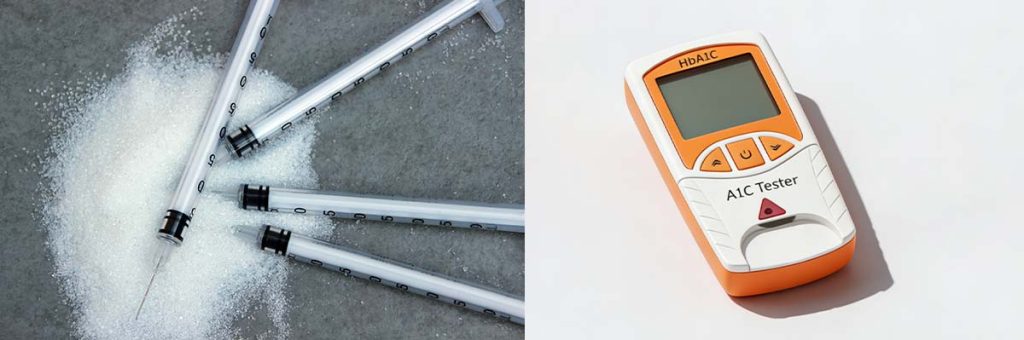
Selecting an A1C tester for a small clinic involves careful review of several factors. The table below highlights how each factor shapes the final choice and impacts results:
| Factor | Description |
|---|---|
| Accuracy and Precision | Devices must consistently produce reliable results that align with laboratory standards. |
| Ease of Use | User-friendly interfaces reduce operator errors and training time. |
| Cost and Reimbursement | Affordability and insurance coverage influence adoption rates among providers. |
| Regulatory Approvals | FDA clearance or CE marking ensure compliance and safety standards. |
| Support and Maintenance | Vendor after-sales service impacts device uptime and user satisfaction. |
Clinics should look for A1C tester that delivers fast, accurate results and fit seamlessly into daily routines. Modern units focus on compact designs and simplified maintenance, which help clinics achieve consistent results. Enzymatic methods support rapid results in primary care. Reagent stability and kit standardization also ensure reliable results. Before making a decision, clinics should review this checklist:
- Confirm the A1C tester meets accuracy standards for results.
- Check ease of use for all staff to ensure consistent results.
- Compare upfront and ongoing costs to maximize value from results.
- Verify regulatory compliance for safe results.
- Assess vendor support to maintain uninterrupted results.
Each clinic has unique needs. By focusing on these factors, clinics can select an A1C tester that delivers dependable results and supports better patient care.
FAQ
What Is the Main Benefit of Using an A1C Tester in Small Clinics?
An A1C tester provides immediate results for hemoglobin a1c levels. Staff can adjust diabetes treatment plans during the same visit. This improves patient satisfaction and supports better long-term glucose control.
How Accurate Are Point-Of-Care Hemoglobin A1C Devices?
Modern A1C testers show high accuracy. They match laboratory standards for hemoglobin A1C testing. Clinics can trust these devices to guide diabetes management and monitor long-term glucose control.
Do A1C Testers Require Special Training for Staff?
Most A1C testers feature user-friendly interfaces. Staff members with basic training can operate them. Manufacturers often provide guides and support to ensure proper hemoglobin A1C testing and reliable immediate results.
Can A1C Testers Help Track Diabetes Progress Over Time?
A1C testers record hemoglobin A1C values. Clinics use this data to monitor diabetes trends. Tracking these results helps providers adjust care plans and improve outcomes for patients.
What Features Should Clinics Look for in an A1C Tester?
Clinics should choose an A1C tester with accurate hemoglobin A1C measurement, quick immediate results, and easy data management. Connectivity options and low maintenance needs also support efficient diabetes care.